

Croatia Vacation: Croatia is the Mediterranean dream destination that has taken Europe by storm in recent years. Crystal-clear turquoise water, over 1,200 islands, historic coastal towns with Venetian flair, secluded bays and pebble beaches, pine forests and national parks – the Croatian Adriatic offers everything a vacationer’s heart desires. From Istria in the north through Kvarner Bay and Dalmatia down to Dubrovnik stretches one of Europe’s most beautiful coastlines.
Whether you want to vacation in a mobile home at a modern Eurocamp campsite, rent a cozy holiday apartment in a historic coastal town, or book a hotel with sea views – Croatia offers the right accommodation for every taste and budget. In this comprehensive travel guide, we present the most beautiful regions, the best campsites, recommended holiday homes, and important travel information for your perfect Croatia vacation.
The Regions of Croatia – From Istria to Dubrovnik
Istria – The Pearl of the Northern Adriatic
Istria, the heart-shaped peninsula in northern Croatia, is the country’s most accessible and developed vacation region. From southern Germany, Austria, and Switzerland, Istria can be reached by car in 6-8 hours – perfect for a road trip. The region impresses with picturesque coastal towns like Rovinj (the “Croatian Venice” with colorful houses and winding alleys), Pula (with its impressive Roman amphitheater), Poreč (UNESCO World Heritage Euphrasian Basilica), and Umag (known for its ATP tennis tournament).
Istria combines Mediterranean flair with Austrian Italian influences – Croatian, Italian, and often German are spoken here. The coast offers pebble and rocky beaches with crystal-clear water, while the hinterland beckons with medieval hilltop villages like Motovun, Grožnjan, and Hum (the “world’s smallest town”). Istria is also a culinary highlight: truffles, olive oil, wine, and fresh seafood define the regional cuisine.
Kvarner Bay – Islands and Port Cities
Kvarner Bay south of Istria is characterized by the port city of Rijeka and the offshore islands of Krk, Cres, Lošinj, and Rab. The island of Krk is connected to the mainland by a bridge and offers family-friendly beaches. The town of Opatija was already a fashionable spa resort during the Austro-Hungarian monarchy and still exudes Belle Époque charm with grand hotels and parks. The coastal town of Crikvenica is known for sandy beaches – a rarity in Croatia.
Dalmatia – The Heart of the Croatian Adriatic
Dalmatia is Croatia’s longest and most diverse coastal region. Here lie the most famous cities and most beautiful islands. Zadar delights with the Sea Organ and Sun Salutation, two unique art installations by the sea. Šibenik is the gateway to Krka Waterfalls, one of Croatia’s most spectacular national parks. Split, Croatia’s second-largest city, houses Diocletian’s Palace (UNESCO World Heritage), where city life pulses – restaurants, bars, and boutiques are now housed in Roman ruins.
The Dalmatian islands are legendary: Hvar is considered the sunniest and most glamorous island with lavender fields and trendy nightlife. Brač is famous for Zlatni Rat (Golden Horn), one of Europe’s most photogenic beaches. Korčula is said to be Marco Polo’s birthplace and enchants with medieval architecture. Vis was a military restricted area until 1989 and is now an insider tip for nature lovers.
Dubrovnik, the “Pearl of the Adriatic,” is Croatia’s flagship. The completely preserved medieval city wall encloses an old town full of baroque churches, palaces, and squares (UNESCO World Heritage). Dubrovnik also served as a filming location for “Game of Thrones” (King’s Landing). The city is very crowded in summer – a visit in spring or autumn is more recommended.
Camping in Croatia with Eurocamp
Why Camping in Croatia?
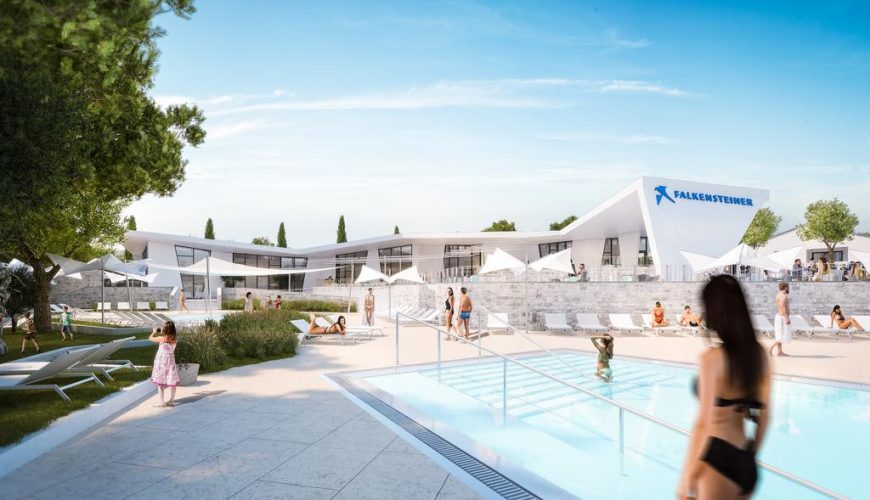
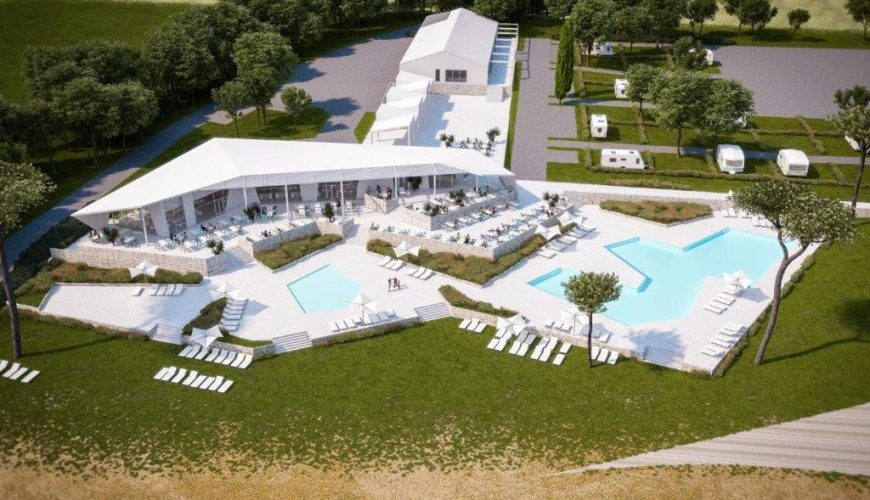
Croatia is considered by connoisseurs as one of Europe’s best camping countries. The reasons are obvious: first-class campsites with modern facilities, direct beach access, pine forests providing shade, moderate prices compared to Western Europe, and the opportunity to flexibly explore different regions. Many Croatian campsites are 4- or 5-star facilities with pools, restaurants, sports facilities, and entertainment programs.
Eurocamp in Croatia – Mobile Homes and Comfort
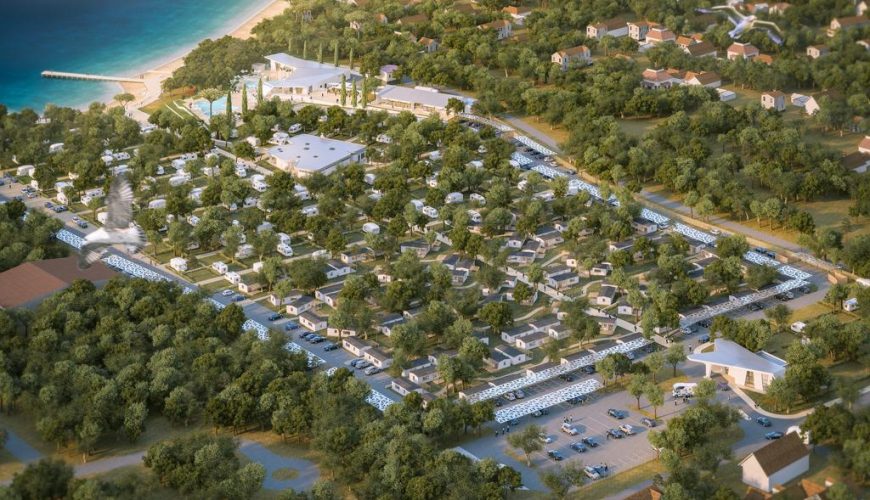
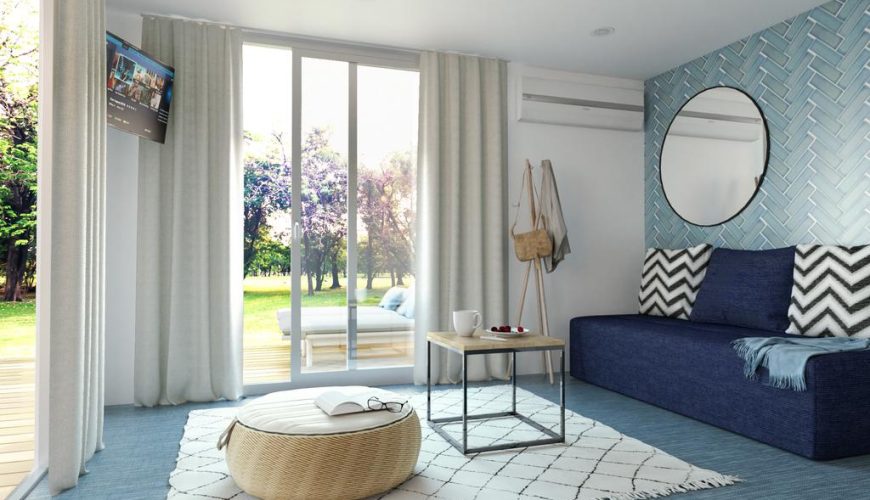
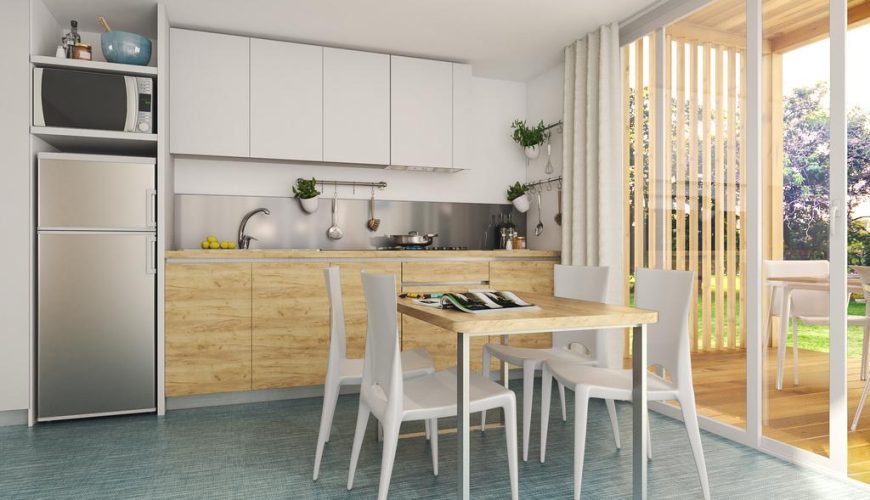
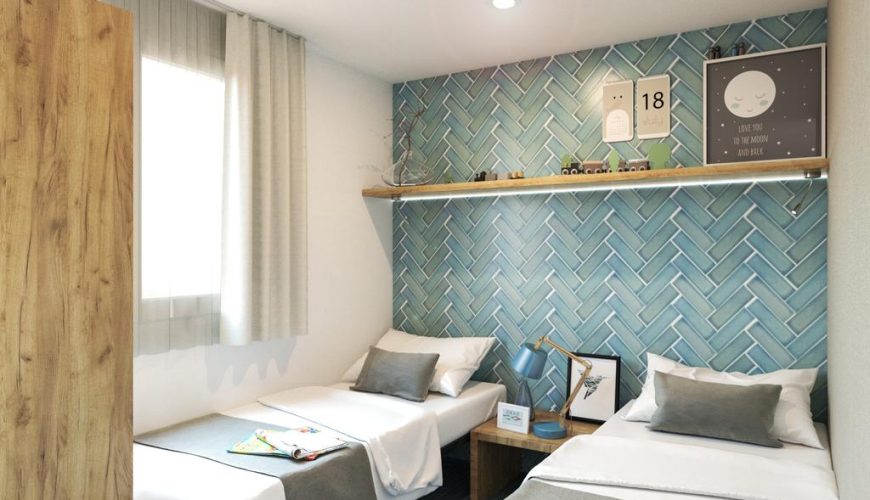
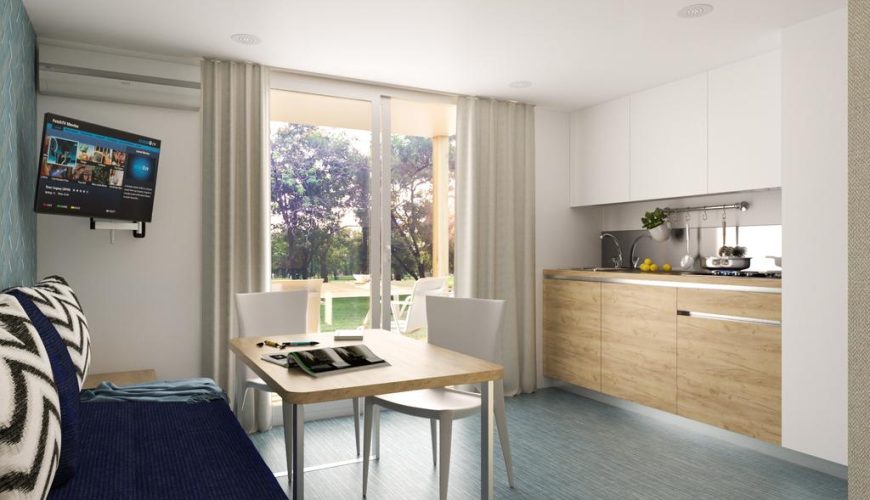
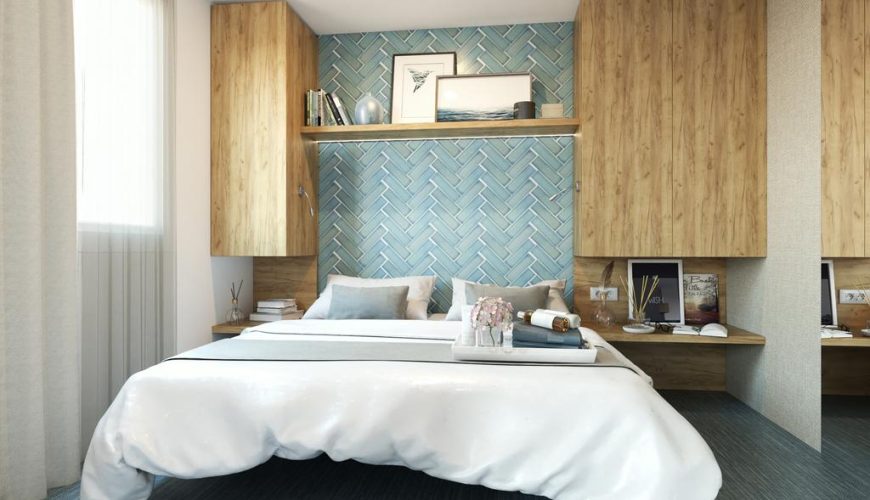
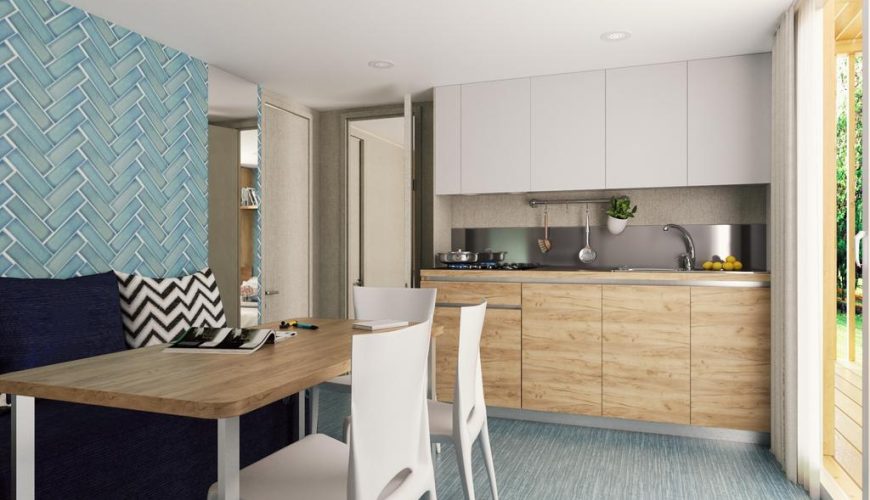
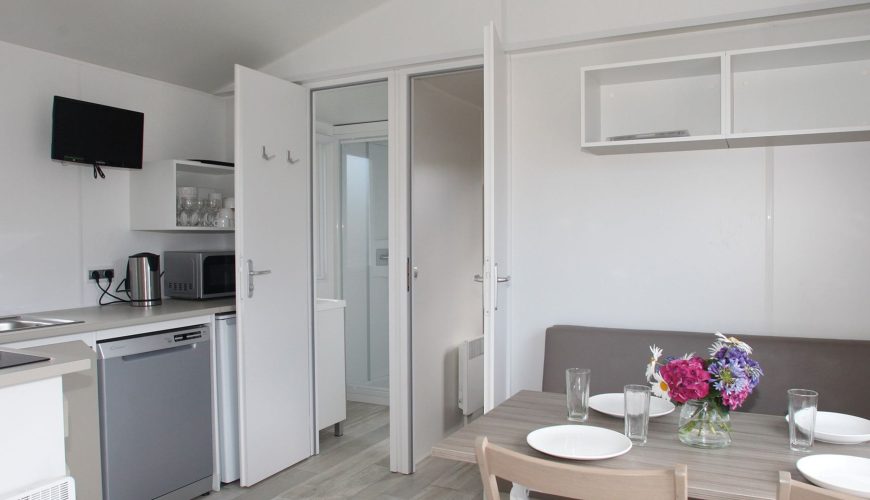
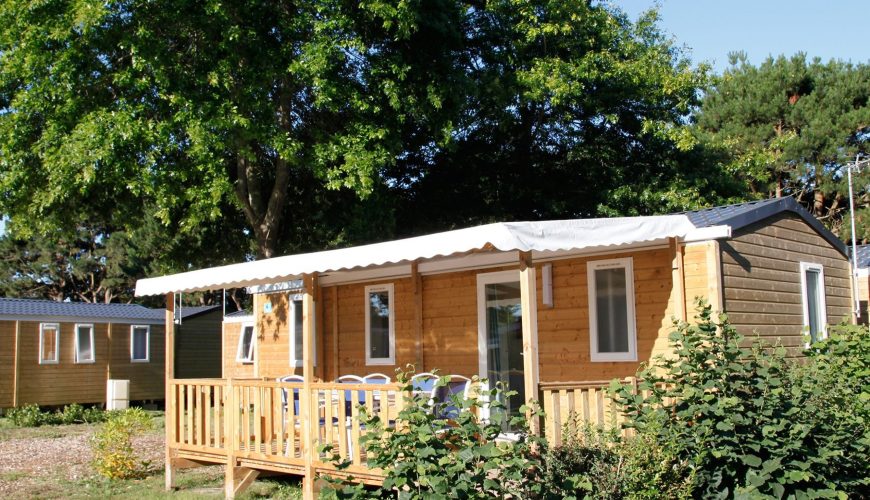
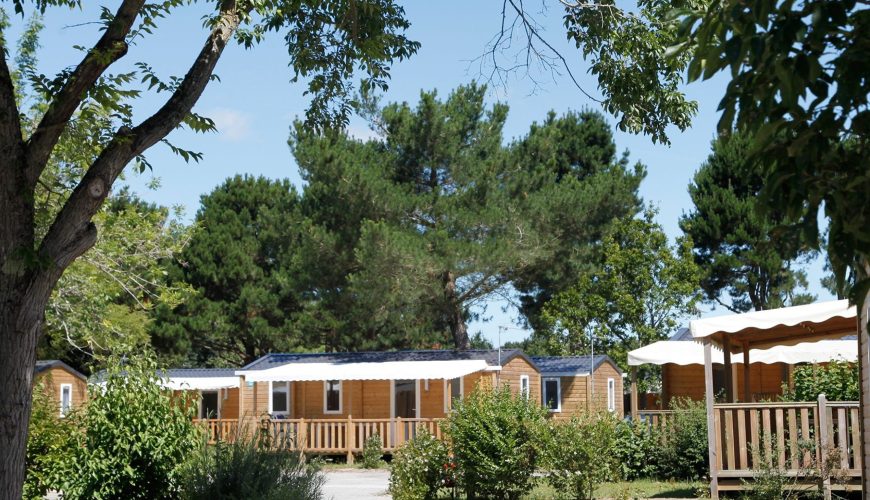
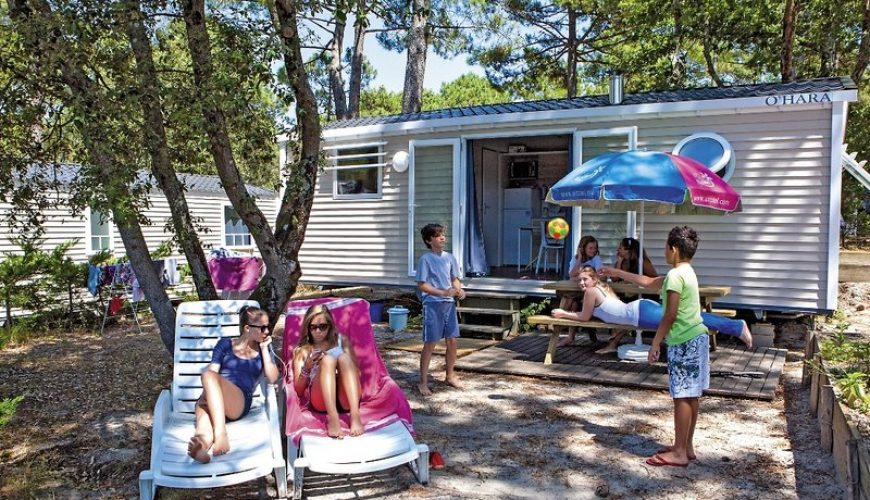
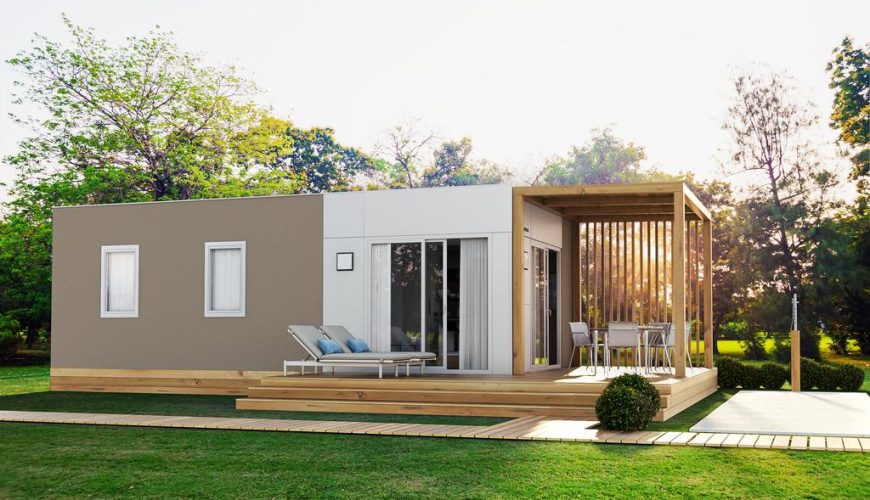
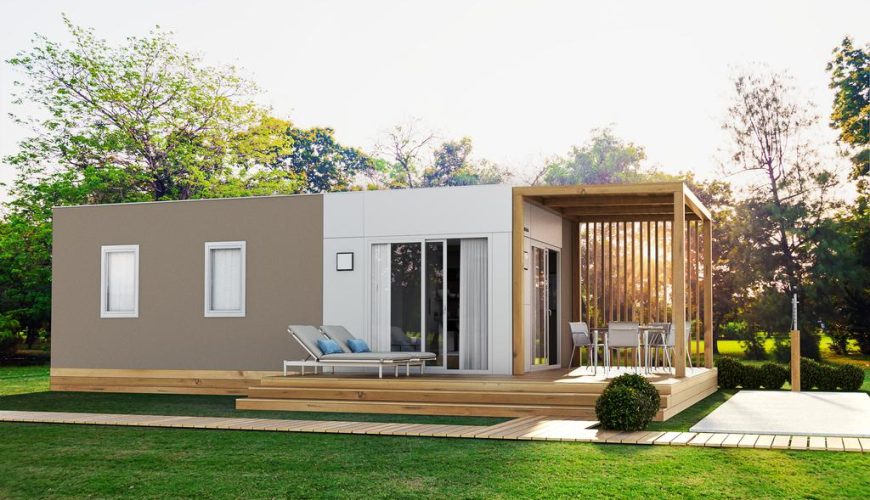
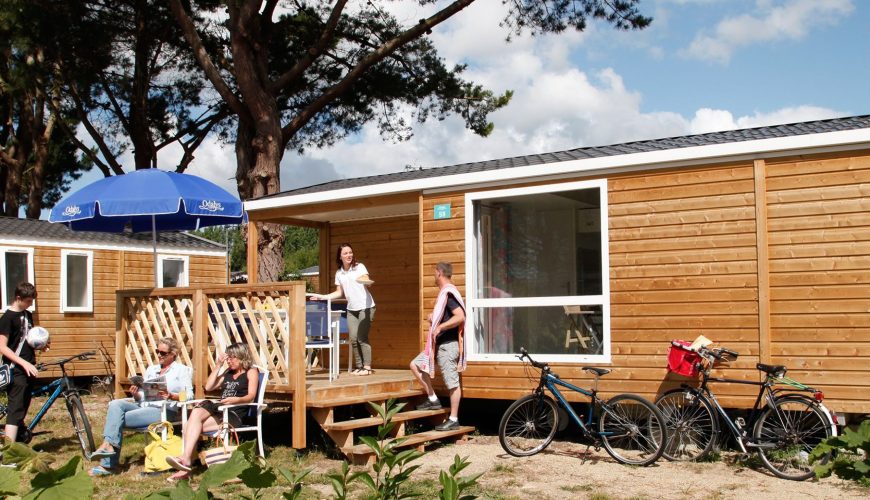
Eurocamp offers a carefully selected collection of campsites in Croatia, mainly in Istria and Dalmatia. The mobile homes are comfortably equipped with kitchen, bathroom, bedrooms, and terrace – perfect for families who want to combine camping atmosphere with living comfort. All Eurocamp sites meet high quality standards and offer kids’ clubs, pools, and entertainment.
Top Eurocamp Campsites in Istria:
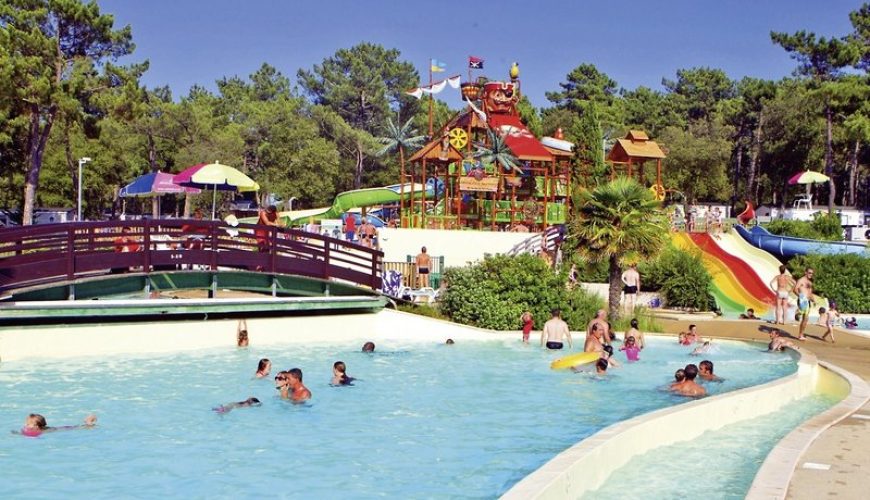
• Camping Park Umag – One of Croatia’s largest campsites (120 hectares) with direct beach access, multiple pools, sports facilities, and extensive leisure program. Ideal for families and sports enthusiasts.
• Camping Bijela Uvala (near Poreč) – Family-friendly site with large pool complex, picturesque bays, and only 3 km from historic Poreč.
• Camping Polari (near Rovinj) – Dream location in a bay south of Rovinj, walking path along the coast into the charming town, large aquapark.
Top Eurocamp Campsites in Dalmatia:
• Camping Zaton (near Zadar) – Camping, beach, and pool paradise in a pine forest, 15 km from Zadar, spectacular pool complex, pebble beach.
• Amadria Park Camping Trogir – Luxury campsite in panoramic location with views of the Adriatic bay and islands, near UNESCO town of Trogir.
• Camping Village Simuni (Pag Island) – Direct access to six beaches, lagoon pool, perfect for families with young children.
Through www.camping-mobilheime.de you can easily compare and book all Eurocamp campsites in Croatia. Our experts are happy to advise you in selecting the perfect site for your family.
Holiday Homes & Vacation Rentals in Croatia – The Alternative to Camping
Not everyone wants to camp – and Croatia offers a huge selection of holiday apartments, vacation homes, and apartments along the entire coast and on the islands. From simple studios to luxury villas with pools, everything is available.
Particularly Popular Regions for Holiday Homes:
Istria: Holiday homes in the hinterland (often with pool), apartments in Rovinj, Pula, Poreč – ideal for culture travelers and connoisseurs. Many properties in Venetian stone houses.
Islands (Hvar, Brač, Korčula): Apartments with sea views, often in small houses directly by the water. Perfect for beach vacationers and island hoppers.
Split & Area: Modern apartments near the beach, ideal base for island excursions and national parks.
Dubrovnik Region: Luxury villas with private pool, historic apartments in the old town (expensive but unique).
Holiday Home Advantages:
✓ More privacy than at a campsite
✓ Own kitchen – cook with fresh ingredients from the market
✓ Often central location in old towns or directly on the beach
✓ Ideal for longer stays (weekly discounts)
✓ Perfect for groups and multi-generation vacations
At www.ferienhaus.guide you’ll find over 15,000 holiday apartments and vacation homes throughout Croatia – with prices, photos, reviews, and instant availability. From rustic stone houses to modern design villas, everything is there!
Beaches in Croatia – Pebbles Instead of Sand
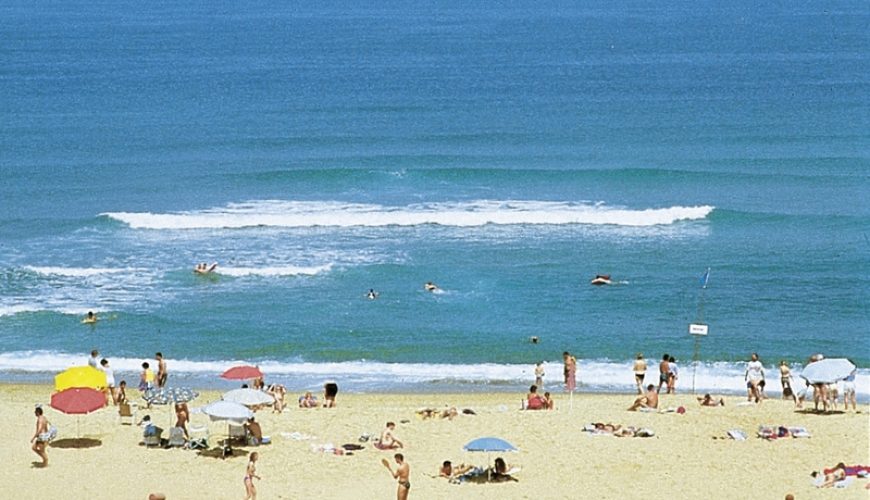
The Croatian coast consists mainly of pebble and rocky beaches – sand is rare. However, the water is crystal clear and perfect for snorkeling. Water shoes are recommended. The most beautiful beaches are found in bays and on the islands. Popular beaches: Zlatni Rat (Brač), Sakarun (Dugi Otok), Stiniva (Vis), Nugal (Makarska). Many beaches are awarded the Blue Flag.
Getting to Croatia
By Car – Road Trip to the Adriatic
From southern Germany, Austria, and Switzerland, travel by car is comfortable. Route: via Slovenia (motorway vignette required!) to Istria. Distances: Munich–Pula approx. 650 km (6-7h), Vienna–Zadar approx. 650 km (6-7h), Zurich–Rovinj approx. 700 km (7-8h). In Croatia, motorways are toll roads, payment at toll booths.
By Plane – Quickly to Your Destination
Croatia has several international airports: Pula (for Istria), Zadar and Split (for Dalmatia), Dubrovnik (for the south). Flight time from Central Europe: 1.5-2 hours. Rental car recommended on-site for flexibility.
Best Time to Visit Croatia
High season is July-August – peak activity, highest prices, hottest weather (often over 30°C/86°F). Recommended: May-June and September-October – pleasant temperatures (22-28°C/72-82°F), fewer tourists, sea still warm enough for swimming, more moderate prices. For city trips, April and November are also suitable.
Practical Travel Tips
Currency: Euro (since 2023!) – makes travel much easier.
Language: Croatian; German, English, and Italian are often spoken in tourist areas.
Food & Drink: Fish restaurants (Konobas) serve fresh catch of the day. Specialties: Peka (meat/vegetables simmered under a bell), Ćevapčići, Pašticada (Dalmatian beef stew), fresh oysters from Ston. Wines from Istria and Dalmatia are excellent.
Traffic: Motorways well developed, coastal road (Jadranska Magistrala) winding but spectacular. Warning vests mandatory, speed limits: 50 in town, 90 outside, 130 motorway.
Excursions and Activities
National Parks: Plitvice Lakes (UNESCO, waterfall cascades), Krka (waterfalls for swimming), Kornati (island archipelago), Paklenica (gorges, climbing), Mljet (island with salt lakes).
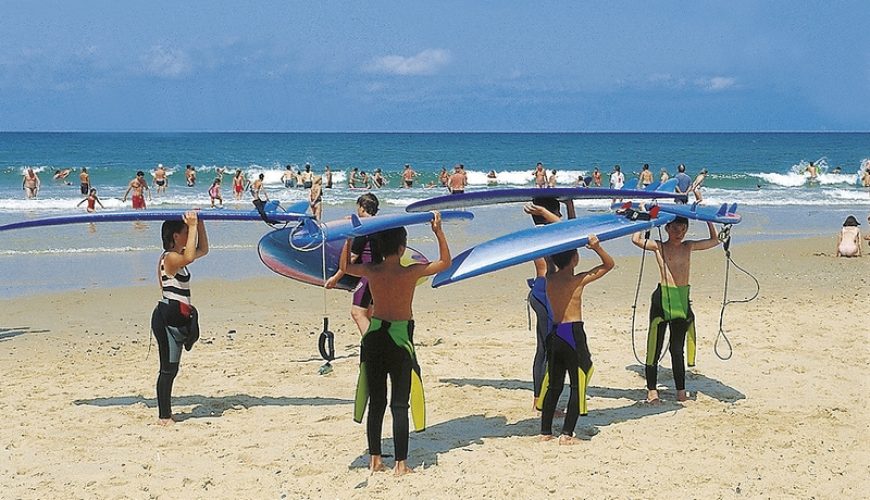
Water Sports: Sailing, kayaking, stand-up paddling, diving (many wrecks), windsurfing (Viganj on Pelješac).
Island Hopping: Between islands by ferries and catamarans – Split is the main port for island connections.
Conclusion – Croatia for Every Taste
Whether camping adventure in a mobile home, relaxed holiday apartment vacation in historic cities, or comfort in a hotel – Croatia offers the right option for every vacation type. The combination of breathtaking nature, rich history, excellent cuisine, and warm hospitality makes the Croatian Adriatic one of Europe’s most beautiful travel destinations.
Book your campsite through www.camping-mobilheime.de or find your dream vacation rental at www.ferienhaus.guide – your Croatia vacation 2026 awaits!
With every booking we contribute to sport sponsorship through TeamCoin.
Comment (0)