

WINTER SPORTS CANADA | HELI SKIING BRITISH COLUMBIA
Heli Skiing British Columbia: The Complete Guide to the World’s Greatest Powder Experience
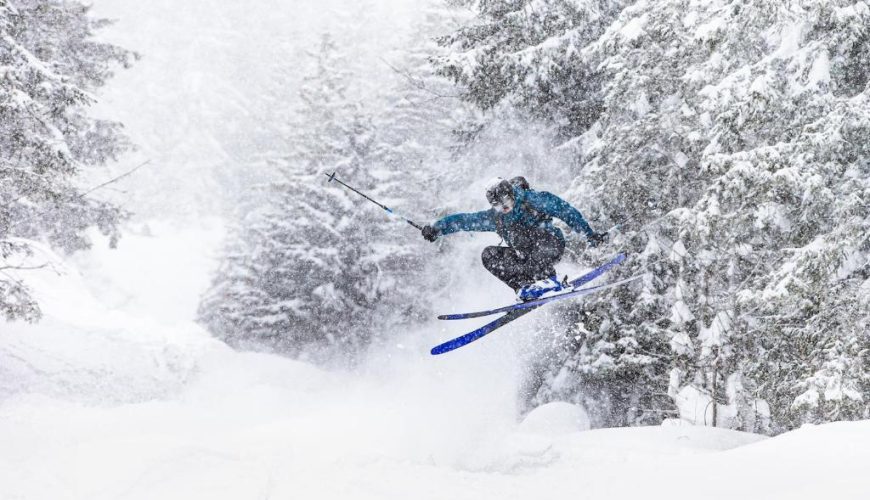
Untracked powder in the Selkirks. Chest-deep snow in the Monashees. Couloirs above Bella Coola where nobody has skied this season, possibly this decade. British Columbia is the undisputed capital of helicopter skiing — and this guide tells you everything you need to know to plan the trip.
There is a particular kind of silence that only exists in one context: the moment after a helicopter sets you down on a ridge in the interior ranges of British Columbia, lifts off and disappears over the treeline. No other sound. No lifts, no groomers, no announcements, no other skiers. Just a slope of untracked powder that nobody has touched this winter, possibly longer, dropping away from you toward a valley floor hidden somewhere in the trees below. You look at your guide. Your guide looks at the snow. You drop in. Everything else — the flight, the planning, the price — was just logistics. This is the reason.
British Columbia is the world capital of helicopter skiing for reasons that are purely geographical. The interior ranges — the Selkirks, Monashees, Purcells and Cariboos — sit in a meteorological sweet spot where Pacific moisture meets continental cold, producing snow that is simultaneously deep and dry. The snowpack in the Columbia Mountains can reach eight metres or more in a good season. The terrain is enormous — more than 90 percent of BC’s skiable mountain area has never had a lift built on it and never will. And the infrastructure for accessing it by helicopter is more developed, more experienced and more professionally managed than anywhere else on earth. This guide covers every operator worth knowing, every mountain region worth understanding and everything a first-time or returning heli skier needs to plan the trip properly.
What is in this guide
- Why British Columbia leads the world in helicopter skiing
- The mountain ranges: Selkirks, Monashees, Cariboo, Coast Mountains and the Skeena
- The operators: from CMH to Northern Escape, honestly assessed
- Day trips versus multi-day lodge programmes
- Where to stay: the best lodges and hotels
- Getting to British Columbia from Europe and beyond
- Snowcat skiing: the alternative and the backup
- Ski resorts alongside heli skiing: Whistler, Revelstoke, Kicking Horse
- Safety: what every heli skier must understand
- What it costs: honest numbers for 2025/26
- Best time to go: December through April
- Are you ready? The honest assessment
1. Why British Columbia leads the world in helicopter skiing
The case for BC is not primarily about the operators, the lodges or the service — though all of these are exceptional. It is about the snow. The interior ranges of British Columbia receive between 10 and 22 metres of snowfall per season depending on location, and the combination of Pacific moisture and continental cold air produces a powder quality that is genuinely different from what most skiers experience in the Alps or even in Utah. The Japanese have a word for snow of this quality — japow — but the original comes from BC.
The scale is the other factor. Last Frontier Heliskiing operates on 10,000 square kilometres of exclusive terrain — an area larger than Lebanon. CMH Heli-Skiing has eleven lodges across the Columbia Mountains and has recorded more than a million descents since Hans Gmoser founded the company in 1965. Northern Escape Heli Skiing, based in Terrace in the northwest, was named the world’s best heli-ski operator by the World Ski Awards for four consecutive years from 2022 to 2025. These are not small operations working marginal terrain. They are the gold standard of a sport that exists at this level only in British Columbia.
| Feature | British Columbia | Alps (comparison) |
| Available heli terrain | Tens of millions of hectares; mostly untouched | Heavily regulated; very limited commercial heli skiing |
| Annual snowfall | 10–22 m in the Columbia Mountains | 5–8 m in most Alpine resorts |
| Snow character | Dry, light powder; exceptional quality | Often heavier and wetter |
| Commercial infrastructure | Most developed in the world; 60+ years of history | Minimal; mostly prohibited |
| Group sizes | 4–13 per helicopter; exclusive terrain per operator | Not comparable commercially |
| Price point | USD 1,500–2,500 per day; lodges USD 2,000–4,000 per day | Barely available to compare |
2. The mountain ranges: Selkirks, Monashees, Cariboo, Coast Mountains and the Skeena
The Columbia Mountains: Selkirks, Monashees, Purcells and Cariboo
The Columbia Mountains are the heartland of BC heli skiing — four ranges running roughly parallel to each other through the southeastern interior of the province. The Selkirks and Monashees are the most celebrated: heavily forested lower slopes opening to wide alpine bowls and ridgelines above treeline, with snowfall that is reliably extraordinary. The Purcells are wilder and somewhat more remote. The Cariboos, further north, offer more consistent low-angle terrain and are particularly suited to groups with mixed ability levels. The hub towns for Columbia Mountain operations are Revelstoke, Golden, Blue River and Nelson.
The Coast Mountains: Bella Coola and Whistler
The Coast Mountains run along the Pacific coastline of BC and receive massive snowfall from Pacific storms — sometimes exceeding 15 metres per season in exceptional years. The terrain is steeper and more consequential than the interior ranges, and Bella Coola Heli Sports operates what is widely described as the steepest commercial heli-ski terrain in Canada here. This is expert terrain: couloirs, exposed ridgelines and the kind of commitment in the air time that only the most experienced skiers should consider. Whistler Heli Skiing, by contrast, offers more accessible day trips into the Coast Mountains from the Whistler Village — the lowest-commitment entry point in BC heli skiing.
Northwestern BC: the Skeena Mountains and Last Frontier
The northwest of BC is the true frontier. Northern Escape Heli Skiing operates in the Skeena Mountains out of Terrace — a four-time world champion operation in some of the most remote terrain in Canada. Last Frontier Heliskiing works 10,000 square kilometres of the northern Skeena ranges from Bell 2 Lodge and Ripley Creek, with maximum daily vertical of 10,000 metres and annual snowfall reaching 22 metres. The northern operations offer absolute solitude in terrain that makes the southern interior feel crowded by comparison.
3. The operators: from CMH to Northern Escape, honestly assessed
British Columbia has approximately 30 licensed heli-ski operators. The following are the ones most consistently recommended by the international skiing community, assessed without promotional framing.
| CMH Heli-Skiing & Summer Adventures
Base: Eleven lodges across the Columbia Mountains | Terrain: Selkirks, Monashees, Cariboo, Purcells (over 10,000 km² total) The original. Hans Gmoser, an Austrian mountain guide who immigrated to Canada, invented commercial helicopter skiing here in 1965. CMH now operates eleven lodges across the Columbia Mountains with more than a million recorded descents. The scale means unmatched terrain variety; the history means the guides know these mountains more deeply than anywhere else. Programme lengths run 3, 5 and 7 days, all-inclusive. A snowcat backup programme operates on days when flying is impossible. Price level: high to very high. Ability: intermediate to expert. Suitable for: those who want the original experience, groups, returning clients. |
| Mike Wiegele Helicopter Skiing
Base: Blue River, BC (2.5 hours from Kamloops) | Terrain: Cariboo and Monashee Mountains (3,000 km²) Founded in 1970 by Austrian-Canadian Mike Wiegele, who remains one of the defining figures of BC heli skiing. The operation is based around a self-contained mountain village in Blue River — chalets, a central lodge, hot tubs and a dining room — giving it an atmosphere closer to a mountain retreat than a commercial operation. Programme lengths of 3, 5 and 7 days. The Cariboo and Monashee terrain is consistently excellent. Loyal returning clientele year after year. Price level: high. Ability: intermediate to expert. Particularly well-suited for European visitors who appreciate the Austrian-influenced hospitality style. |
| Northern Escape Heli Skiing
Base: Terrace, BC (northwestern British Columbia) | Terrain: Skeena Mountains Four consecutive World Ski Awards wins as the world’s best heli-ski operator (2022–2025). A boutique operation with a maximum of 13 guests across two remote lodges in the Skeena Mountains. Unlimited vertical is the promise, with snowcat backup when the helicopter cannot fly. Small group size means the guides can read the terrain and the guests simultaneously. The lodge atmosphere is genuinely familial — guests describe it as the anti-resort. Price level: very high. Ability: intermediate to expert. Access: fly to Terrace (YXT) via Vancouver; lodge transfer arranged. |
| Last Frontier Heliskiing
Base: Bell 2 Lodge / Ripley Creek, northwestern BC | Terrain: Northern Skeena Mountains (10,000 km² — world’s largest single heli-ski terrain) The world’s largest heli-ski terrain on one operating permit: 10,000 square kilometres of the northern Skeena ranges. Maximum daily vertical of 10,000 metres. Annual snowfall averaging 22 metres. Two lodge options: Bell 2 Lodge (accessible by road via the Cassiar Highway — one of BC’s great drives) and Ripley Creek Inn. This is the operation for experienced skiers who want to understand what scale actually means in heli skiing. Price level: high. Ability: experienced to expert. Best for: groups seeking maximum terrain and absolute solitude. |
| Selkirk Tangiers Heli Skiing
Base: Revelstoke / Glacier, BC | Terrain: Selkirk and Monashee Mountains (500,000+ acres) Over 40 years of operation in the Selkirk and Monashee Mountains near Revelstoke. Both day programmes and multi-day packages. The proximity to Revelstoke Mountain Resort makes Selkirk Tangiers the natural choice for skiers combining resort skiing with heli days — a very practical arrangement that suits most first-time BC visitors. Price level: medium to high. Ability: intermediate to expert. Logistics: easy — Revelstoke is a manageable drive from Kelowna or Vancouver. |
| Bella Coola Heli Sports
Base: Bella Coola, BC (central coast) | Terrain: Coast Mountains (8,000 km²) The steepest commercial heli terrain in Canada. The Coast Mountains above Bella Coola receive enormous Pacific snowfall and present terrain — steep couloirs, exposed spines and consequential lines — that demands genuine expert skiing. Access to Bella Coola is part of the experience: either a scenic flight on a small charter aircraft or the famous Chilcotin Highway (Highway 20, known locally as the Freedom Road), which includes a 18% grade descent into the valley. Price level: high to very high. Ability: expert only. Best for: experienced skiers looking for genuinely challenging terrain in extraordinary volume. |
| Whistler Heli Skiing
Base: Whistler, BC (90 minutes north of Vancouver) | Terrain: Coast Mountains (4,300 km²) The most accessible entry point in BC heli skiing. Day trips depart from the Whistler Village into the Coast Mountains — no lodge booking required, no week-long commitment, no need to rearrange your entire holiday. For skiers spending a week in Whistler who want to try a heli day without restructuring the trip, this is the natural choice. Terrain is genuinely good — the Coast Mountains above Whistler are not a compromise — and the logistics are seamless. Price level: medium (day rate). Ability: strong intermediate to expert. Best for: Whistler-based visitors; first-time heli skiers; flexible programmes. |
| Stellar Heliskiing
Base: Nelson, BC (Kootenay region) | Terrain: Selkirk and Purcell Mountains A boutique operation based in Nelson — one of BC’s most characterful small cities, with a strong arts and outdoor culture that gives it an atmosphere unlike the ski resort towns. The Selkirk and Purcell terrain delivers reliable powder and a range of difficulty levels. Small groups, professional guiding and an honest price point make Stellar a strong choice for groups who want quality without the brand premium of the larger operators. Price level: medium to high. Ability: intermediate to expert. Added value: Nelson itself is worth two or three days as a base. |
| Tyax Lodge & Heliskiing
Base: Gold Bridge, BC — South Chilcotin Mountains (5.5 hours north of Vancouver) | Terrain: South Chilcotin Mountains — 830,000 acres (336,000 hectares); 375 designated runs Tyax Lodge operates on a premise that sounds simple and turns out to be transformative: every group gets their own exclusive helicopter. No waiting for other groups, no sharing with strangers, no time pressure on the mountain. Combined with an unconditional Unlimited Vertical Guarantee — ski as much as you can, no additional cost per metre — this makes Tyax one of the most guest-focused heli operations in BC. The terrain covers 830,000 acres in the transition zone between the Coast Mountains and the Fraser Plateau, with 375 designated runs ranging from wide-open alpine bowls to steep couloirs and gladed tree runs. The lodge itself sits at the edge of Tyaughton Lake at 1,010 metres elevation — 29 rooms, a spa, sauna and an ice plunge in the lake for those inclined. The standout accommodation option is the Spirit Bear Chalet: an exclusive private chalet for groups of up to nine, with a dedicated helicopter and a private staff team, nominated for Canada’s Best Ski Chalet at the World Ski Awards 2024. Access: 5.5 hours by car from Vancouver via the Duffey Lake Road and Gold Bridge, or by helicopter or small charter aircraft from Vancouver, Whistler or Pemberton. Safety record: 32 years of operation without a skiing or snowboarding fatality. Season: December to May. Price level: high to very high. Ability: intermediate to expert. |
4. Day trips versus multi-day lodge programmes
The first decision every heli-skiing planner faces is the format question: a single day from a resort base, or a full lodge programme of three to seven days? The two experiences are related only in the sense that both involve a helicopter. Everything else is different.
| Factor | Day trip | Multi-day lodge (3–7 days) |
| Price | USD 1,200–2,000 per person | USD 4,500–18,000 per person (all-inclusive) |
| Accommodation | Resort hotel (Whistler, Revelstoke) | Remote lodge in the mountains |
| Flexibility | High: book good-weather days | Low: fixed booking regardless of weather |
| Skiing experience | Great; 3,000–8,000m vertical | Transformative; 5,000–15,000m vertical per day |
| Terrain access | Radius from departure point | Full exclusive territory of the lodge |
| Group | Often mixed with strangers | Private groups; sometimes exclusive helicopter |
| Evening | Back at the resort | Lodge: dinner, hot tub, guides, fellow guests |
| Best for | First-timers; flexible schedules; Whistler guests | Serious heli skiers; groups; maximum experience |
| Recommendation for first-timers
Start with a Whistler or Revelstoke day trip. This caps your financial exposure at a single day’s cost, gives you a genuine sense of whether helicopter skiing is your thing, and provides a realistic baseline for deciding whether a full lodge programme is worth the investment. Most people who do one day immediately want a week. Some decide they prefer resort skiing. Both are valid outcomes — the day trip tells you which one you are. |
5. Where to stay: the best lodges and hotels
Heli-ski lodges (all-inclusive, remote)
- Mike Wiegele Resort, Blue River: The original mountain village concept — self-contained chalets, central lodge dining, hot tubs, a wine cellar and the complete Wiegele experience. 50 years of operation have produced a product that is polished without being corporate. The Austrian-Canadian hospitality style is warm, direct and genuine.
- Northern Escape Lodges, Skeena Mountains: Two boutique lodges hosting a maximum of 13 guests. World’s best operator four years running. The atmosphere is closer to staying with friends who happen to own a mountain than to any conventional lodge experience. Reserve well in advance — availability is extremely limited.
- Bell 2 Lodge, northwestern BC: The base for Last Frontier Heliskiing, accessible by road via the Cassiar Highway. Comfortable wilderness lodge with the world’s largest heli terrain outside the front door. The drive up the Cassiar from the south is one of BC’s great road trips.
- CMH Lodges (various locations): Eleven lodges across the Columbia Mountains, ranging from comfortable to genuinely excellent. The consistency across properties is CMH’s achievement — regardless of which lodge you book, the guiding quality and terrain access are the same standard.
Resort hotels for day-trip basing
- Sutton Place Hotel Revelstoke (5-star): Opened 2022; the best hotel in Revelstoke by a significant margin; ski-in/ski-out to Revelstoke Mountain Resort; spa and pool; the obvious base for combining Revelstoke skiing with Selkirk Tangiers or Eagle Pass heli days.
- Four Seasons Resort and Residences Whistler (5-star): The benchmark luxury property in Whistler; walking distance to the Whistler Village gondola; excellent spa; the best starting point for a Whistler Heli Skiing day trip combined with resort days at Whistler Blackcomb.
- Fairmont Chateau Whistler (5-star): The grand hotel at the base of Blackcomb; ski-in/ski-out; larger than the Four Seasons and better suited for groups who want a more social hotel atmosphere. Both are excellent; the choice depends on preference for boutique versus grande hotel style.
- Kicking Horse Mountain Resort, Golden: On-mountain accommodation directly at Kicking Horse — the natural base for Purcell Heli Skiing day trips combined with Kicking Horse resort days. Golden is a smaller town with genuine character, less tourist-saturated than Whistler.
6. Getting to British Columbia from Europe and beyond
| Airport | Code | Best for | Flight time from London | Connections |
| Vancouver International | YVR | Whistler; all regions via transfer | 9.5 hrs direct | British Airways, Air Canada, Lufthansa direct |
| Calgary International | YYC | Selkirks (Revelstoke, Golden) | 9 hrs direct | British Airways, Air Canada direct |
| Kelowna | YLW | Revelstoke (2.5 hrs drive) | Via Vancouver (1.5 hrs domestic) | Connect at YVR |
| Terrace | YXT | Skeena Mountains (Northern Escape) | Via Vancouver (1.5 hrs domestic) | Connect at YVR |
| Prince George | YXS | Cariboo Mountains; central BC | Via Vancouver (1 hr domestic) | Connect at YVR |
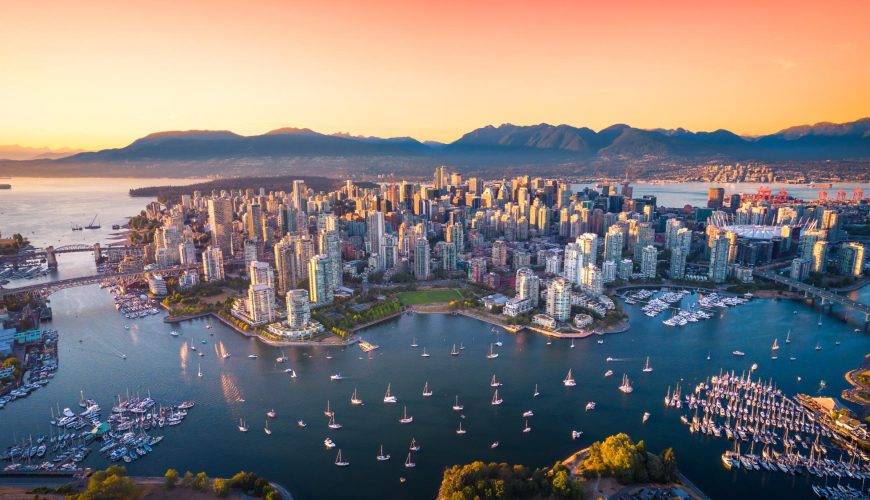
Vancouver (YVR) is the natural hub for BC heli skiing. From London, British Airways and Air Canada fly direct in approximately 9.5 hours. From Frankfurt, Lufthansa and Air Canada operate nonstop services. From Vancouver, Revelstoke is a five-hour drive east on the Trans-Canada Highway; Whistler is two hours north on the Sea-to-Sky Highway — one of the finest drives in Canada in winter conditions. For northern operations based in Terrace, a domestic connection from Vancouver adds 90 minutes. All major car rental companies at YVR provide winter-equipped vehicles; winter tires are mandatory by law in BC on most mountain highways.
| Travel tip for European visitors
Build in a Vancouver night before driving to your destination. The overnight flight from London or Frankfurt arrives in Vancouver in the early afternoon local time — too late to drive to Revelstoke safely the same day in winter. One night in Vancouver, which has excellent restaurants and a very manageable city centre, makes the road trip the next morning straightforward and enjoyable rather than exhausted. |
7. Snowcat skiing: the alternative and the backup
Heli skiing is weather-dependent. When visibility drops, winds exceed safe limits or new snow load creates avalanche conditions that require restraint, the helicopter stays on the ground. The best operators — Northern Escape, CMH — include snowcat backup programmes in their lodge packages: tracked snow vehicles that access terrain when the helicopter cannot. Snowcat skiing is also a standalone product, substantially cheaper than heli skiing and excellent in its own right.
- Chatter Creek Mountain Lodges, Golden: Snowcat-only operation in the Selkirk Mountains, all-inclusive lodge; widely regarded as one of the finest snowcat operations in BC. For groups who want the lodge experience without the weather dependency of heli skiing, Chatter Creek is the first recommendation.
- Powder Mountain Snowcat Skiing, Whistler: Day snowcat trips near Whistler; no lodge required; good alternative to a heli day when weather prevents flying.
- Crescent Spur Heli-Skiing, Prince George: Combination heli and snowcat operation in the Cariboo and Rocky Mountains; small groups of 5–6; private and semi-private programmes available.
8. Ski resorts alongside heli skiing: Whistler, Revelstoke, Kicking Horse
| Resort | Location | Vertical | Character | Heli partner |
| Whistler Blackcomb | Whistler, BC | 1,609m | Largest ski resort in North America; world famous | Whistler Heli Skiing; Pemberton Icecap |
| Revelstoke Mountain Resort | Revelstoke, BC | 1,713m | Greatest resort vertical in North America | Selkirk Tangiers; Eagle Pass Heliski |
| Kicking Horse | Golden, BC | 1,260m | Steep, powder-focused; expert reputation | Purcell Helicopter Skiing (Golden-based) |
| Sun Peaks | Kamloops, BC | 882m | Sunny, family-friendly; uncrowded | Mike Wiegele (Blue River, 2 hrs north) |
| Big White | Kelowna, BC | 777m | Famous for ghost trees; good family base | Selkirk Tangiers (2.5 hrs drive) |
The most popular structure for European visitors is three or four days at Whistler Blackcomb combined with one or two heli days through Whistler Heli Skiing or Pemberton Icecap Helicopters. This works logistically — same base, same accommodation — and delivers a complete BC ski experience: world-class resort skiing and genuine backcountry helicopter skiing in the same week. The alternative that delivers more serious heli skiing is a Revelstoke base: Revelstoke Mountain Resort is superb on its own (the greatest vertical of any North American resort), and Selkirk Tangiers or Eagle Pass add heli days in the Selkirk and Monashee Mountains directly from the same town.
9. Safety: what every heli skier must understand
Helicopter skiing involves real risk. The terrain is unpatrolled, avalanche danger is a constant consideration and medical assistance is significantly further away than in any resort context. Professional operators manage this risk with rigorous daily protocols, and the industry’s safety record is substantially better than its reputation might suggest — but guests must understand their own role in the safety system.
Essential personal equipment
- Avalanche transceiver (beacon): Every serious operator requires one and will check that guests know how to use it before the first flight. Some operators provide them; others require guests to bring their own. Confirm before booking.
- Avalanche probe: A carbon or aluminium folding pole used to locate a buried skier once a beacon has identified the approximate location. Lightweight and essential.
- Avalanche shovel: A compact folding shovel. A transceiver and probe without a shovel are almost useless in a burial situation. All three travel together.
- Helmet: Mandatory at every professional operator. Non-negotiable.
- ABS avalanche airbag pack: Not universally required but widely recommended and used by most experienced heli skiers. The inflatable airbag helps keep a skier on top of an avalanche debris flow.
- Quality goggles: Weather in BC changes fast and dramatically. Bring a dark lens and a clear or rose-tinted lens. Photochromic lenses that adjust automatically are the most practical single option.
The guide relationship
Every group skis with at least one certified mountain guide or heli-ski guide who assesses avalanche conditions daily, chooses the runs and manages the group’s position in the terrain. Guide instructions are not suggestions — they are safety protocol. The relationship between guest and guide in heli skiing is fundamentally different from the relationship between skier and ski patrol in a resort, where the infrastructure exists to compensate for individual error. In the backcountry, the guide is the infrastructure. Follow them.
| Minimum ability level
Every operator assesses guests on the first day. The minimum is confident skiing on black diamond runs in all snow conditions. If you struggle with heavy or unpredictable snow on groomed runs, helicopter skiing is not safe for you or the group. This is not about ambition — it is about the physics of uncontrolled falls in steep, unpatrolled terrain. |
10. What it costs: honest numbers for 2025/26
| Category | Cost (2025/26 guide) | Notes |
| Heli day trip | USD 1,200–2,000 per person | 4–5 runs included; guide and helicopter shared |
| 3-day lodge programme | USD 4,500–8,000 per person | All-inclusive: flights, accommodation, meals, guiding |
| 7-day lodge programme | USD 10,000–18,000 per person | All-inclusive; the format for maximum powder days |
| Private helicopter (group) | USD 8,000–18,000 per day | Exclusive helicopter for 4–5 people; no strangers |
| Return flights (Europe–Vancouver) | EUR 900–1,800 economy; EUR 2,500–4,500 business | Business class recommended for a 10-hour flight |
| Car rental (winter-equipped AWD) | USD 80–150 per day | AWD with winter tires mandatory in BC mountains |
| Hotel (Whistler/Revelstoke, 5-star) | USD 350–800 per night | Peak winter rates; book 4–6 months ahead |
| Equipment rental (ski/poles/beacon) | USD 50–150 per day | Most operators include or rent; confirm at booking |
A complete one-week BC heli skiing trip from Europe — flights, accommodation and a 5-day lodge programme — will cost between USD 15,000 and USD 25,000 per person at current rates. This is not a holiday that rewards cost minimisation at every turn. The guests who enjoy it most are those who budget properly for the experience they want and stop calculating per-run cost. The ones who are disappointed are typically those who booked the cheapest available option and then discovered what a better-funded trip looks like.
11. Best time to go: December through April
| Month | Snow quality | Conditions | Price level | Verdict |
| December | Good to excellent | Building snowpack; lighter crowds | High (Christmas premium) | Great early-season window; book well ahead |
| January | Outstanding | Coldest, driest powder; peak conditions | Highest | The classic month; maximum powder probability |
| February | Outstanding | Deep snowpack; consistent cold | Highest | Equal to January; the other peak month |
| March | Very good | More sun; afternoon softening | High | More daylight for photography; still excellent |
| April | Good | Spring conditions; variable quality | Lower | Value month; some operators close mid-April |
January and February are the consensus peak months for BC heli skiing. The snowpack is deepest, the cold ensures the powder stays light and dry, and the guides know the terrain has been well consolidated. March offers meaningfully longer days — useful for photography and filming — at the cost of afternoon snow quality as the sun gains power. For European skiers on school holiday schedules, the February half-term window is the most heavily competed booking period; reservations for lodge programmes in that window should be made six to twelve months in advance.
12. Are you ready? The honest assessment
Helicopter skiing in BC attracts a particular kind of skier, and it is worth being honest about whether that skier is you. The experience is not defined by the most extreme terrain available — most guests on most days ski wide-open powder bowls and treed glades, not exposed ridgelines and technical couloirs. What it requires is comfort and control in deep, unpredictable snow on terrain that would be rated black or double-black at a resort.
- Skiing ability: Comfortable on black diamond runs in all conditions; some experience with deep snow or ungroomed terrain; not required to be an expert — required to be genuinely competent
- Physical fitness: A full heli-skiing day can involve 7,000 to 12,000 metres of vertical descent; strong legs and good cardiovascular fitness make the difference between enjoying it and surviving it
- Mental readiness: Unpatrolled terrain, genuine avalanche risk and helicopter transport in mountain weather; guests who are comfortable with managed risk in the outdoors will thrive; those who are not will not enjoy it regardless of the skiing
- Age: No formal upper limit; the oldest regular heli skiers are in their mid-70s; what matters is current fitness and ability, not age
- Group size: Works for solo travellers (paired with other guests to form groups of four), couples, fourballs and large groups who book entire helicopters
The typical heli skier is not an extreme athlete. They are an enthusiastic recreational skier between 35 and 65 who is good on the mountain, enjoys powder when they find it, and has decided that the experience of finding it guaranteed, every morning, in quantities that exist nowhere else, is worth a price that also exists nowhere else.
Helicopter skiing in British Columbia is not a sport. It is a category of experience that has no equivalent anywhere in the world — not in Alaska, not in the Alps, not in Japan, not in Chile. The scale of the terrain, the quality of the snow, the depth of the operator expertise and the accumulated knowledge of guides who have spent decades in these mountains combine to produce something that cannot be replicated closer to home. The planning required to get there is real. The investment is significant. The experience is, for the people who come and go back year after year, worth both.
Ready to experience the ultimate powder adventure in the mountains of British Columbia? Contact our heli-skiing experts today to receive your personalized, non-binding itinerary or to check availability for the upcoming winter season. Let us help you plan the ski trip of a lifetime. info@vacationize.com
Herzlich willkommen – Hjertelig velkommen – Varmt välkommen – Sydämellisesti tervetuloa – Serdecznie witamy – Bienvenue – Hartelijk welkom – Benvenuti – Un caloroso benvenuto – Srdečně vítáme – Szívélyes üdvözlet – Srdačno dobrodošli – Topel dobrodošli – Bun venit călduros – Kalósorisma – Kordialmente bonbini – A warm American welcome
some pics are from Peaks Place in der Schweiz / Switzerland

Comment (0)