

WYOMING TRAVEL GUIDE | JACKSON HOLE | YELLOWSTONE | GRAND TETON
Wyoming: America’s Last Great Wilderness — The Complete Holiday and Travel Guide
Grand Teton. Yellowstone. Jackson Hole. The Snake River. Elk herds, bison plains, grizzly bears and wolves in one of the most intact ecosystems on Earth — combined with world-class mountain luxury, Western ranch culture and outdoor adventure for every season. Wyoming is not just a destination. It is an experience.
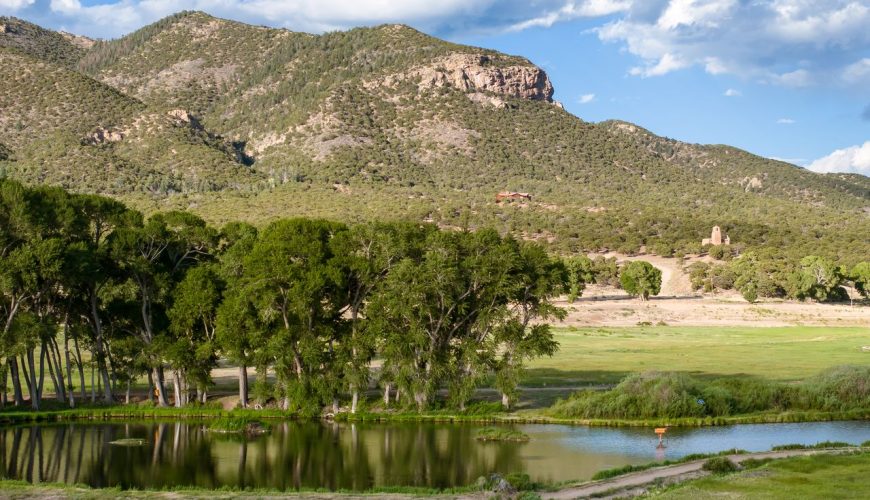
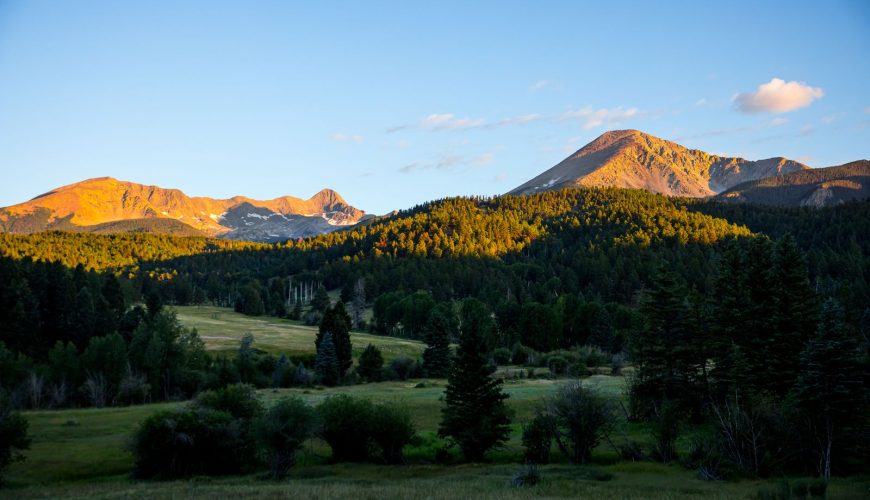
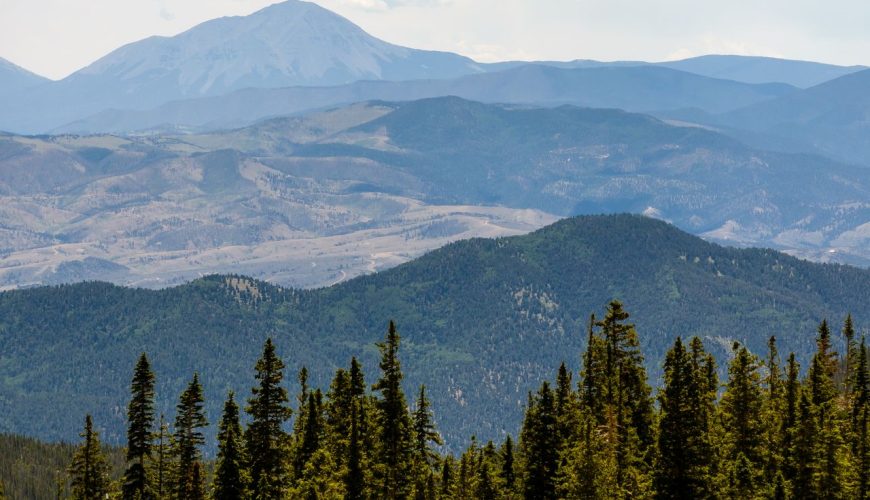
There is a particular kind of silence that exists in only a few places on Earth. You find it on the eastern shore of Jackson Lake at dawn, when the Teton range is reflected in water so still it looks like a mirror someone has laid flat in the valley. You find it in the Lamar Valley at Yellowstone when the wolf pack moves across the hillside and every person in every car along the road stops breathing simultaneously. You find it on a guest ranch in the high country above the Snake River, sitting on a porch with a bourbon, watching the last light leave the mountains. This is Wyoming. This is what serious travel looks like.
Wyoming is the least populated state in the continental United States — fewer than 600,000 people in an area larger than the United Kingdom. It contains two of the world’s great national parks, the most intact large-mammal ecosystem in the lower 48 states, a working Western ranch culture that is not performed for tourists but simply lived, and a mountain luxury hospitality scene centred on Jackson Hole that competes credibly with anything in Colorado, Utah or the European Alps. For European visitors making the transatlantic commitment to the American West, Wyoming delivers a depth and authenticity of experience that is simply not available in more accessible destinations.
In this guide
- Wyoming at a glance: why this state?
- Grand Teton National Park: America’s most dramatic mountain landscape
- Yellowstone National Park: the world’s first and greatest
- Jackson Hole and the Historic Town Square
- Teton Village and Jackson Hole Mountain Resort
- Snake River adventures: floating, rafting and wildlife
- Wildlife safaris in the Greater Yellowstone Ecosystem
- Authentic Western ranch experiences
- Fly fishing, hiking, biking and outdoor adventure
- Wyoming’s scenic byways and wide-open spaces
- Mountain luxury: hotels, resorts and ranch stays
- Wyoming for incentive travel and executive retreats
- Getting to Wyoming: flights and logistics from Europe
- Best times to visit: season by season
1. Wyoming at a glance: why this state?
| Feature | Details |
| Location | Northwestern United States; borders Montana, Idaho, Utah, Colorado, South Dakota, Nebraska |
| Size | 253,000 km² (larger than the United Kingdom) |
| Population | Under 600,000 — least densely populated state in the continental US |
| Main gateway | Jackson Hole Airport (JAC): direct flights from major US hubs |
| National parks | Grand Teton NP and Yellowstone NP — two of America’s greatest |
| Key towns | Jackson (cultural and service hub), Cody, Sheridan, Laramie |
| Elevation | Jackson Hole valley: 1,900m (6,200ft); Teton peaks: up to 4,197m (13,770ft) |
| Wildlife | Grizzly bear, black bear, wolf, bison, elk, moose, pronghorn, bald eagle |
| Best seasons | Summer (June–August): all access; Autumn (Sept–Oct): wildlife, fewer crowds; Winter (Dec–March): skiing, snowmobiling; Spring (April–May): wildlife calving |
| Airport connections | Jackson Hole (JAC) direct from Denver, Dallas, Chicago, New York, LA, San Francisco |
Wyoming contains more wildlife per square kilometre than any other state in the lower 48. It has two of the world’s most extraordinary national parks. It has mountain luxury that rivals anywhere in North America. And it has fewer people than almost anywhere else on the continent. For travellers who value authenticity, scale and genuine wilderness, Wyoming is the answer.
2. Grand Teton National Park: America’s most dramatic mountain landscape
Grand Teton National Park is, by common agreement among people who have visited many of the world’s great mountain landscapes, one of the most dramatically beautiful places on Earth. The Teton Range rises abruptly from the Jackson Hole valley floor — no foothills, no gradual ascent, just a sheer wall of granite, snow and ice that appears without warning as you drive north from Jackson. The Grand Teton itself reaches 4,197 metres (13,770 feet). The reflection of the range in the surface of the Snake River, or in Jenny Lake, or in Jackson Lake at dawn, is the image that defines the American West.
What to do in Grand Teton National Park
- Jenny Lake: The jewel of the park — a glacial lake at the base of the Tetons with a ferry service to the west shore and trails into Cascade Canyon, one of the finest day hikes in the American West
- Jackson Lake: The largest lake in the park; kayaking, canoe rental and guided paddling tours; spectacular Teton reflection on calm mornings; Signal Mountain Road for elevated views
- Scenic drives: Teton Park Road and the Mormon Row Historic District, where the iconic wooden barns stand in front of the Teton backdrop — one of the most photographed locations in the United States
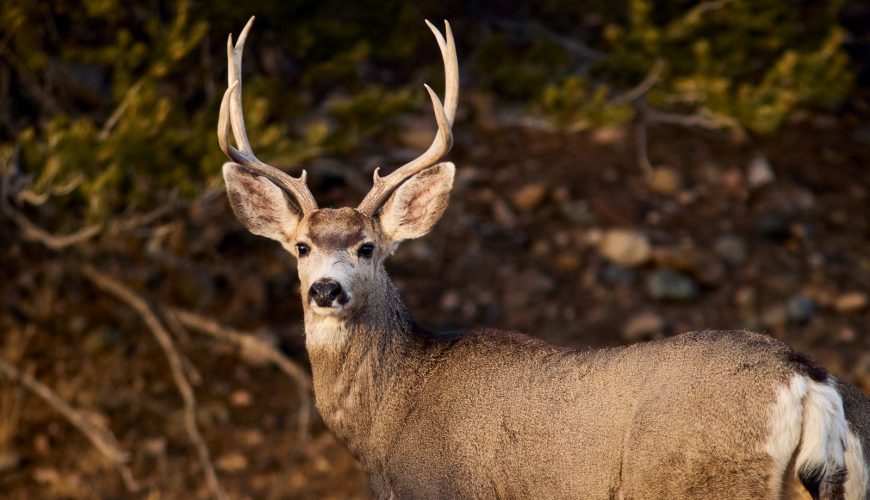
- Wildlife viewing: The park is home to elk, moose, black bear, grizzly, bison, pronghorn and bald eagles; the Willow Flats area and Oxbow Bend are particularly productive at dawn and dusk
- Guided hiking: Half-day and full-day guided hikes with certified mountain guides into the Teton backcountry; Paintbrush Canyon, Death Canyon and the Teton Crest Trail for experienced hikers
- Photography: The Teton Range at sunrise and sunset provides some of the most extraordinary landscape photography opportunities in North America; guided photography tours available from Jackson
| Grand Teton practical note
Grand Teton National Park is directly adjacent to Jackson Hole — the town of Jackson is within the park boundary. This makes it uniquely accessible: you can be at Jenny Lake within 20 minutes of checking into a Jackson hotel. The park entrance fee (annual pass recommended for longer stays) covers both Grand Teton and Yellowstone. |
3. Yellowstone National Park: the world’s first and greatest
Yellowstone was designated the world’s first national park in 1872, and 150 years later it remains the standard against which all others are measured. The park sits atop one of the world’s largest active supervolcanoes — a geological fact that manifests itself in more than 10,000 geothermal features, including 500 geysers (more than half the world’s total), hot springs of extraordinary colour, fumaroles, mud pots and the constant reminder that the ground beneath your feet is not stable in any conventional sense.
The essential Yellowstone experiences
| Old Faithful and the Upper Geyser Basin
Old Faithful erupts approximately every 90 minutes, reaching heights of 30 to 55 metres, and has done so reliably for the recorded history of the park. The surrounding Upper Geyser Basin contains the highest concentration of geysers on Earth. The Old Faithful Inn, opened in 1904 and built almost entirely from lodgepole pine and rhyolite stone, is one of the great examples of National Park rustic architecture in the United States. |
| Grand Prismatic Spring
The largest hot spring in the United States and the third largest in the world, Grand Prismatic Spring is 91 metres (300 feet) across and displays a vivid spectrum of colour — deep blue at the centre (too hot for microbial life), through green, yellow and orange at the edges (where thermophilic bacteria create the pigmentation) — that is more accurately described as surreal than beautiful. The overlook trail above the spring provides the aerial view that makes this one of the most photographed natural features on Earth. |
| The Grand Canyon of the Yellowstone
A canyon 400 metres deep and 32 kilometres long, cut by the Yellowstone River through the volcanic rhyolite of the park. The Lower Falls, at 94 metres, are nearly twice the height of Niagara Falls. The canyon walls display vivid yellows and oranges from the iron oxide in the rock — the colour that gives the park, and the river, and the state, their names. |
| The Lamar Valley — America’s Serengeti
The Lamar Valley in the northeast of the park is the place serious wildlife viewers come to Yellowstone for. Wolf packs are visible from the road in early morning with regularity unusual for large wild predators. Bison herds graze the valley floor. Grizzly bears fish the river in late summer. Bald eagles patrol the thermals overhead. A spotting scope and an early alarm call are the only equipment required. |
4. Jackson Hole and the Historic Town Square
Jackson Hole is the mountain valley that contains both Grand Teton National Park and the town of Jackson — the cultural, culinary and commercial hub of the region. The Town Square, with its famous elk-antler arches at each corner, is the social centre of a town that manages the considerable challenge of being simultaneously a working Western community and one of the wealthiest zip codes in the United States. Independent galleries, excellent restaurants, Western outfitters, fly fishing shops and art dealers coexist on the same few blocks with a naturalness that resort towns usually cannot manage.
What to do in and around Jackson
- Town Square and the elk-antler arches: The four arches constructed from naturally shed elk antlers are the defining image of Jackson; the square hosts summer concerts, art fairs and the daily shootout (a theatrical Western tradition that has been running since 1932)
- National Museum of Wildlife Art: One of the finest collections of wildlife-themed fine art in the world, housed in a building that appears to grow from the hillside above the National Elk Refuge — itself home to the largest elk herd in North America
- National Elk Refuge: 25,000 acres of refuge adjacent to town; winter sleigh rides through herds of up to 7,500 elk; an experience unique to Jackson
- Dining: Snake River Grill, The Handle Bar, Local, Bin22 — a restaurant scene that would be impressive in any major city and is remarkable in a mountain town of 10,000 people
- Shopping and galleries: Trailhead Sports, Teton Mountaineering, The Mangy Moose and dozens of independent galleries showing Western and wildlife art
5. Teton Village and Jackson Hole Mountain Resort
Teton Village, at the base of the Teton Range 19 kilometres north of Jackson, is the mountain luxury heart of Wyoming. The Jackson Hole Mountain Resort, with its iconic aerial tram rising 1,262 vertical metres to the summit of Rendezvous Mountain, operates year-round as both a world-class ski resort in winter and a mountain adventure destination in summer. The vertical rise of 1,262 metres is the greatest of any ski resort in the United States.
Summer at Teton Village
- Aerial tram to Rendezvous Mountain (3,185m): 12-minute ride to views of four states, the Teton Range and the Snake River Plain; open June through September
- Mountain biking: World-class trail network descending from the tram; bike rental and guided rides available at the resort
- Hiking: 100+ miles of trails from beginner-friendly valley walks to challenging alpine routes; guided options through the resort
- Fine dining and après atmosphere: The Village has accumulated a concentration of excellent restaurants; the Persephone Bakery, the Westbank Grill at the Four Seasons, and Continuum are among the highlights
Winter at Teton Village
- 2,500 acres of skiable terrain; 116 runs; 13 lifts including the iconic tram; average snowfall of 11 metres (450 inches) per year
- Expert terrain: The Corbet’s Couloir — consistently ranked among the most challenging ski runs in North America — is accessible from the tram
- Luxury ski-in/ski-out accommodation: Four Seasons Resort, Hotel Terra, The Cloudveil, Teton Mountain Lodge — all within steps of the lifts
- Heli-skiing and cat skiing: Private helicopter and snowcat access to terrain beyond the resort boundary for expert skiers
6. Snake River adventures: floating, rafting and wildlife
The Snake River runs 80 kilometres through Jackson Hole, from its source in Yellowstone south through the valley floor, beneath the Tetons, past Jackson and through the Snake River Canyon before entering Idaho. It is one of the most scenic rivers in North America and one of the most varied: the upper stretch through Grand Teton National Park is a gentle float trip with extraordinary mountain and wildlife viewing, while the canyon section south of Jackson delivers legitimate white-water rafting for those who want it.
- Scenic float trips: Half-day and full-day float trips on the upper Snake, drifting beneath the Teton Range; the most relaxed and photogenic way to experience the park landscape; excellent for families, mixed groups and corporate team experiences
- White-water rafting: The Snake River Canyon section offers Class III rapids and occasional Class IV; half-day trips depart from Jackson and are suitable for adults and older children with no prior experience; private group excursions bookable for up to 20+ people
- Wildlife viewing from the river: The riverbanks of the upper Snake are among the best places in the park to see moose, beaver, osprey, great blue heron and bald eagle without leaving a vehicle or walking into the backcountry
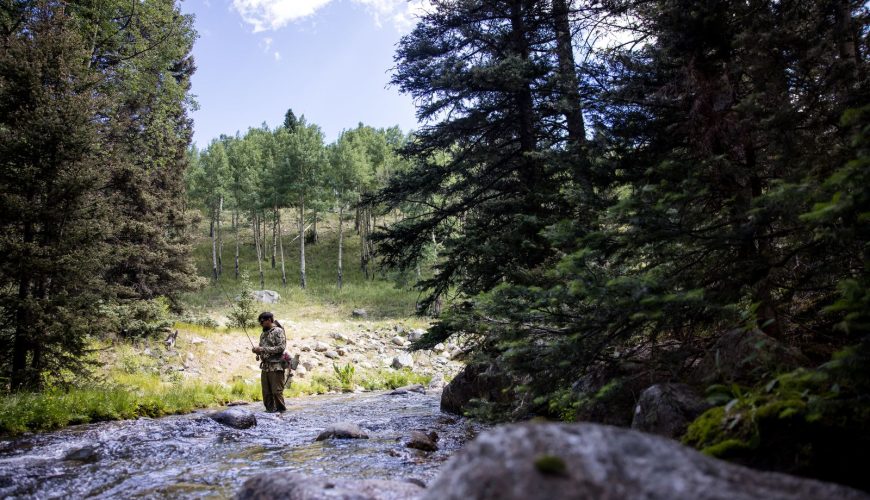
- Fly fishing on the Snake: The Snake River fine-spotted cutthroat trout is the river’s signature species; guided wade and float fishing trips available from multiple outfitters in Jackson; the Snake is an internationally renowned trout fishery
7. Wildlife safaris in the Greater Yellowstone Ecosystem
The Greater Yellowstone Ecosystem — a contiguous area of approximately 72,000 square kilometres centred on Yellowstone National Park — is one of the last places in the lower 48 United States where all the large mammal species present at the time of European contact still exist in viable wild populations. This is not a game reserve or a managed wilderness. It is simply the largest intact temperate ecosystem in the Northern Hemisphere, where the food chains still function as they did before industrialisation removed the apex predators from most of the continent.
| Species | Where to see | Best season | Notes |
| Grizzly bear | Yellowstone, Grand Teton | April–October | Most reliable: Hayden Valley, Lamar Valley, Two Ocean Lake area |
| Gray wolf | Lamar Valley, Yellowstone | Year-round; best winter | Dawn and dusk; spotting scope essential; Lamar Canyon pack most visible |
| American bison | Hayden Valley, Lamar Valley | Year-round | World’s largest land mammal; herds of hundreds in Hayden Valley |
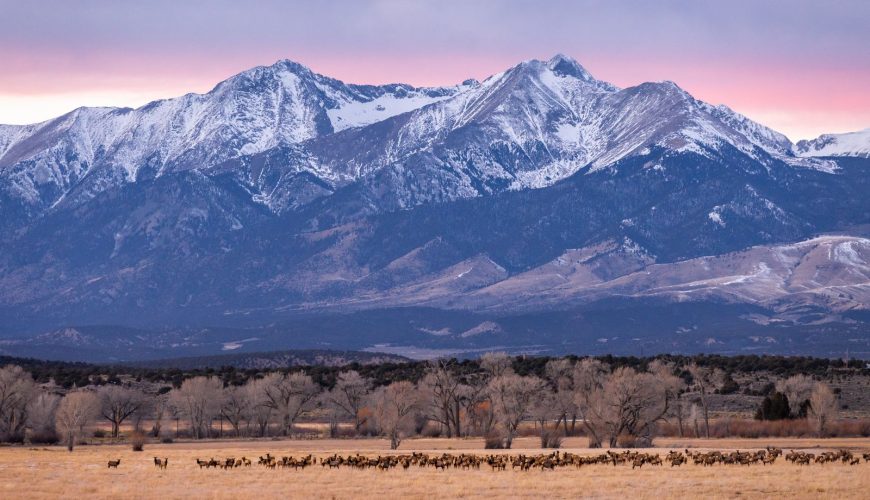
| Elk | Jackson Hole, Yellowstone | September–November (rut) | Elk rut in September is one of wildlife watching’s great spectacles |
| Moose | Willow Flats, Snake River | Year-round | Dawn and dusk near water; Grand Teton most reliable |
| Bald eagle | Snake River, Yellowstone Lake | Year-round | Nest sites along Snake River; winter concentration near open water |
| Pronghorn | Open sagebrush, Jackson Hole | Year-round | Fastest land animal in Western Hemisphere; abundant in valley |
| Black bear | Grand Teton, Yellowstone forests | April–October | Less visible than grizzly; forest edges in early morning |
Private and small-group wildlife safaris — with expert naturalist guides who know the ecosystem, the individual animals by name and the roads that are never shown in guidebooks — are one of the defining Wyoming experiences for international visitors. A two-day guided wildlife safari in the Lamar Valley, staying in Cooke City or Gardiner, will likely deliver more significant wildlife encounters than a week of unguided driving through the same territory.
8. Authentic Western ranch experiences
Wyoming’s ranch culture is not a theme park. The cattle ranches, dude ranches and guest ranches of the state represent an agricultural tradition that predates tourism by a century, and the best ranch experiences in Wyoming have the quality of genuine hospitality rather than performed authenticity. You are not watching a Western — you are, for a week or a day, living adjacent to one.
Ranch experience formats
- Guest ranch stays (dude ranches): Week-long all-inclusive stays at working or semi-working ranches; horseback riding twice daily, fishing, hiking, evening entertainment and ranch-style meals around communal tables; prices typically USD 3,500–6,000 per person per week, all-inclusive
- Private ranch dinners: Charter a private chuck wagon dinner on a working ranch — arriving by horseback or wagon, eating around an open fire, with cowboy entertainment; bookable for corporate groups and incentive programmes from 10 to 200 people
- Horseback riding: Guided trail rides from 1-hour introductory rides to full-day backcountry rides in Grand Teton National Park and the Bridger-Teton National Forest; sunset rides and overnight pack trips bookable through licensed outfitters
- Rodeo: Jackson Hole hosts professional rodeo events throughout summer (June–August) at the Teton County Fairgrounds; the Thursday and Saturday evening rodeos are an authentic Western experience that has been running for decades
- Farm-to-table ranch dining: Several Wyoming ranches and lodges have developed nationally recognised culinary programmes using locally ranched beef, wild game and regional produce; the combination of setting and food quality is unique in American hospitality
9. Fly fishing, hiking, biking and outdoor adventure
Fly fishing
Wyoming’s rivers — the Snake, the Green, the North Platte, the Shoshone, the New Fork — are among the most celebrated trout waters in the world. The Snake River fine-spotted cutthroat, the Brown trout of the North Platte and the mountain whitefish of the upper tributaries provide world-class fishing across all skill levels. Jackson Hole has more licensed fishing guides per capita than almost any town in the United States; half- and full-day guided wade trips and float fishing are bookable throughout the season (June through October for prime conditions).
Hiking and backpacking
- Grand Teton: 200+ miles of maintained trail from accessible valley walks (Menor’s Ferry, Schwabacher Landing) to serious alpine routes (Paintbrush-Cascade loop, Teton Crest Trail)
- Yellowstone: Thermal areas on boardwalks; backcountry trails through geothermal basins and wildlife corridors; permit required for overnight camping
- Bridger-Teton National Forest: 3.4 million acres of National Forest surrounding the parks; hundreds of miles of trail with much less traffic than the national parks themselves
Mountain biking
The Jackson Hole Mountain Resort’s trail network is one of the premier mountain biking destinations in the Rocky Mountains, with trails ranging from beginner-friendly gravel paths to technically demanding expert descents from the aerial tram summit. The valley floor offers gentler cycling on the multi-use pathways that connect Jackson to Teton Village and Moose.
Winter adventures
- Skiing and snowboarding: Jackson Hole Mountain Resort (expert-focused), Snow King Mountain (town ski area, family-friendly), Grand Targhee Resort (Idaho side of the Tetons; legendary powder)
- Snowmobiling: Hundreds of miles of groomed trails in the Bridger-Teton and Shoshone National Forests; guided tours into Yellowstone’s interior in winter (the park roads are closed to wheeled vehicles November through April)
- Dog sledding: Half- and full-day guided dog sled tours through the National Forest; a uniquely Wyoming winter experience
- Wildlife watching in winter: The Lamar Valley is more productive for wolf watching in winter (snow tracks, open landscape, pack movement) than any other season
10. Wyoming’s scenic byways and wide-open spaces
Wyoming has more designated National Scenic Byways per capita than any other state, and driving them — unhurried, with stops as the landscape demands — is one of the great American road trip experiences. The scale of the landscape, the quality of the light and the near-total absence of commercial development along the route make these drives something qualitatively different from scenic driving elsewhere in the United States.
- US 89/191 through Grand Teton and Yellowstone: The primary north–south route through both parks; 100 miles of continuous national park scenery from Jackson to Yellowstone’s North Entrance at Gardiner, Montana
- Beartooth Highway (US 212): Widely considered the most beautiful road in the United States; climbs to 3,333 metres above sea level across an alpine plateau above the tree line; open June through October
- Wyoming Centennial Scenic Byway: From Lander through Dubois, over Togwotee Pass (2,835m) and into Jackson Hole; spectacular mountain crossing with wildlife sightings almost guaranteed
- Chief Joseph Scenic Byway: Named for the Nez Perce chief who led his people through this country in 1877; drops into the Clarks Fork Canyon with views that match anything in the parks
- Oregon Trail Ruts, Guernsey: Wagon ruts carved 4 to 6 feet deep into the sandstone by hundreds of thousands of westward-bound emigrant wagons in the 1840s and 1850s — one of the most tangible connections to American frontier history
11. Mountain luxury: hotels, resorts and ranch stays
Luxury resorts and hotels
- Four Seasons Resort Jackson Hole: The defining luxury property at Teton Village; ski-in/ski-out in winter; the Westbank Grill and spa are among the best in the Rocky Mountain West; rooms from approximately USD 800–2,500 per night in peak season
- Amangani: Aman’s Wyoming property sits on a ridge above Jackson Hole with views of the Tetons and the valley; minimalist architecture, exceptional service and a spa that uses Wyoming’s natural thermal water; among the most exclusive hotels in the American West
- Caldera House, Teton Village: Ski-in/ski-out condominium-style luxury at the base of the tram; private residences sleeping 4–8 guests; full concierge service including private chef; popular with families and small executive groups
- The Cloudveil, Jackson: Downtown Jackson’s newest luxury hotel; 42 rooms and suites; Teton mountain views; the Gather & Dram bar and restaurant; walking distance to Town Square
- Hotel Terra Jackson Hole: Independent boutique hotel at Teton Village; ski-in/ski-out; rooftop pool; strong sustainability credentials; popular with environmentally conscious luxury travellers
Working ranches and guest ranches
- Lost Creek Ranch & Spa (Moose): One of Wyoming’s finest guest ranches; directly in Grand Teton National Park; riding, fishing, hiking and spa; Relais & Châteaux member; week-long stays
- R Lazy S Ranch (Teton Village): Family-operated dude ranch established 1948; authentic working ranch atmosphere with modern comforts; all-inclusive week-long programmes
- Turpin Meadow Ranch (Buffalo Valley): Remote location in the upper Snake River valley; winter snowmobiling and dog sledding; summer fishing and horseback riding; small and intimate
- Triangle X Ranch (Grand Teton): Family-operated since 1926; the only guest ranch operating within Grand Teton National Park; National Park Service concession; full ranch programme
Working farm stays and budget options
Wyoming’s rural counties offer a growing number of farm and ranch stays for travellers who want an authentic agricultural experience without the full dude ranch price point. Working cattle operations across Sublette, Lincoln and Fremont counties accept paying guests during cattle drives and branding seasons (typically May–June and October). These stays — often organised through the Wyoming Tourism Office — provide direct participation in real agricultural work alongside the ranch family.
12. Wyoming for incentive travel and executive retreats
Wyoming — and Jackson Hole specifically — has established itself as one of the premier incentive travel and executive retreat destinations in North America. The combination of genuinely world-class natural scenery, authentic Western culture that is not available anywhere else, five-star hospitality infrastructure and a programme flexibility that allows groups to design entirely custom experiences has attracted corporate clients from across the United States and Europe.
What Wyoming delivers for corporate groups
- Natural scenery as the setting: Grand Teton and Yellowstone provide a backdrop for corporate events that hotel ballrooms in conventional destinations cannot approximate; the value of the environment itself is part of the programme
- Authentic experiences unavailable elsewhere: Private ranch dinners for 50 with chuck wagon and cowboy entertainment; guided wolf-watching safari in the Lamar Valley at dawn; private fly fishing on the Snake River; wildlife photography with a National Geographic-calibre naturalist — these are experiences that can only happen here
- Infrastructure for groups: Jackson Hole has more luxury rooms per capita than almost any mountain town in North America; the Four Seasons, Amangani, Caldera House and Teton Mountain Lodge can collectively accommodate significant corporate groups
- Team-building formats: Snake River rafting for mixed ability groups; guided hiking with wildlife interpretation; cooking classes with a Wyoming ranch chef; fly fishing beginners’ clinics; horseback riding for non-riders — all professionally managed
- Exclusive venue options: Private ranch buyouts; exclusive evening use of the aerial tram platform at the summit of Rendezvous Mountain; private access to Yellowstone’s interior outside public hours (through licensed concessionaires); private Jackson Lake sunset dinners
| Wyoming for European incentive groups
European corporate groups — particularly from the UK, Germany, France, Switzerland and Scandinavia — find Wyoming compelling for incentive programmes precisely because it is not Hawaii, not Florida and not Las Vegas. It requires a commitment: a transatlantic flight plus a connection. That commitment signals to attendees that the event is exceptional, not routine. The experiences Wyoming delivers justify that signal completely. |
13. Getting to Wyoming: flights and logistics from Europe
| From | Routing | Total journey | Notes |
| London (LHR) | BA/AA/UA to Denver (DEN) or Salt Lake City (SLC); connect to Jackson (JAC) | 10–12 hours total | Denver to Jackson: 1 hour; United and Delta operate JAC connections |
| Frankfurt (FRA) | Lufthansa/UA to Denver or Chicago; connect to JAC | 12–14 hours total | Denver most common hub for JAC connections year-round |
| Zurich (ZRH) | Swiss/UA to Chicago or Denver; connect to JAC | 12–14 hours total | Chicago O’Hare to JAC via United Express |
| Amsterdam (AMS) | KLM/Delta to Salt Lake City; connect to JAC | 12–13 hours total | SLC is Delta’s western hub; strong JAC connections in summer |
| Vienna (VIE) | Austrian/UA via Frankfurt or Denver | 13–15 hours total | Frankfurt transfer most common routing |
Jackson Hole Airport (JAC) is the only commercial airport inside a US National Park boundary. Direct flights operate from Denver, Dallas/Fort Worth, Chicago, New York JFK, Atlanta, Los Angeles, San Francisco and Salt Lake City — with frequency peaking in summer (June–August) and winter ski season (December–March). For European visitors, the most reliable routing is through Denver International (DEN), which has the most JAC connections and the best year-round service.
| Airport car rental
A rental vehicle is essentially mandatory for independent travel in Wyoming. Jackson has all major rental agencies at the airport. For groups, private SUV or van transfers between Jackson, Teton Village and the national parks are available through multiple local operators and are strongly recommended for groups of 6 or more, given the distances and the value of having a naturalist guide in the vehicle. |
14. Best times to visit: season by season
| Season | Months | Temperature | Highlights | Notes |
| Summer | June–August | 18–28°C (65–82°F) | Full park access; all activities; long days; wildlife with young | Peak season; book 6–12 months ahead; highest prices |
| Autumn | September–October | 5–20°C (40–68°F) | Elk rut; golden aspen; fewer crowds; bears preparing for winter | Best wildlife season; spectacular colours; shoulder pricing |
| Winter | December–March | -10 to 5°C (14–41°F) | Skiing; snowmobiling; wolf watching; Yellowstone by snowcoach | Ski season peak Dec–March; Lamar Valley wolf watching at its best |
| Spring | April–May | 0–15°C (32–59°F) | Wildlife calving; bears emerging; Yellowstone geysers; quiet parks | Unpredictable weather; some roads closed; lowest prices; magical |
Autumn — specifically the first three weeks of September — is the single best time to visit Wyoming for the combination of wildlife, landscape and experience quality. The elk rut is in full swing: bull elk with full racks bugling across the valley at dawn, sparring in the meadows, moving in groups that number in the hundreds through Grand Teton National Park. The aspen trees turn gold and then orange in the second and third weeks of September, creating a colour display that rivals anything in New England. The crowds of summer have largely departed. The prices have dropped. And the light — that low-angled, golden autumn light of the high country — is the best photographic light of the year.
Wyoming is not a destination you visit because it is convenient. You visit it because nowhere else in the world offers exactly this combination: two of Earth’s greatest national parks, an intact ecosystem that functions as nature designed it, mountain luxury at the standard of the world’s finest resorts, a Western ranch culture that is lived rather than performed, and a silence — at Jackson Lake at dawn, in the Lamar Valley at wolf-watching hour, on the summit of Rendezvous Mountain — that you will not find anywhere closer to home. Wyoming rewards the commitment. It always has.

Comment (0)