

ACTIVE HOLIDAYS | ADVENTURE TOURS | TRAVEL WITH MOVEMENT
Active Holiday Tours: The Complete Guide to Travel with Movement, Sport and Real Experience
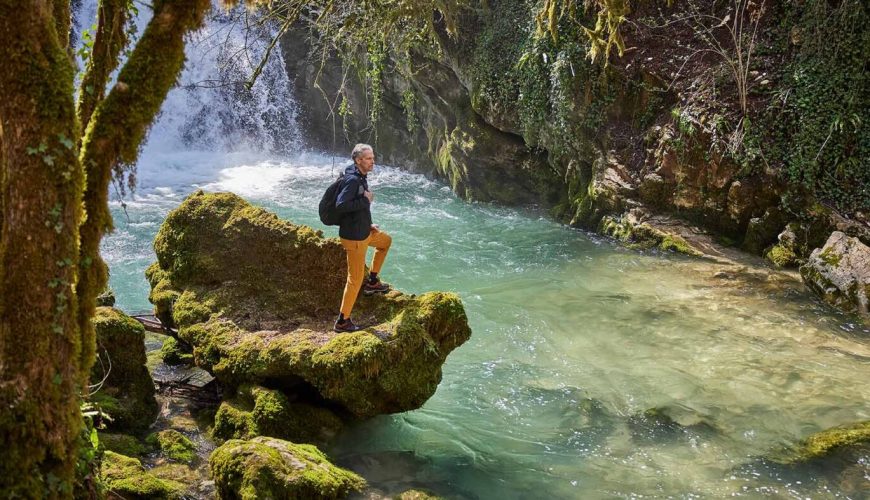
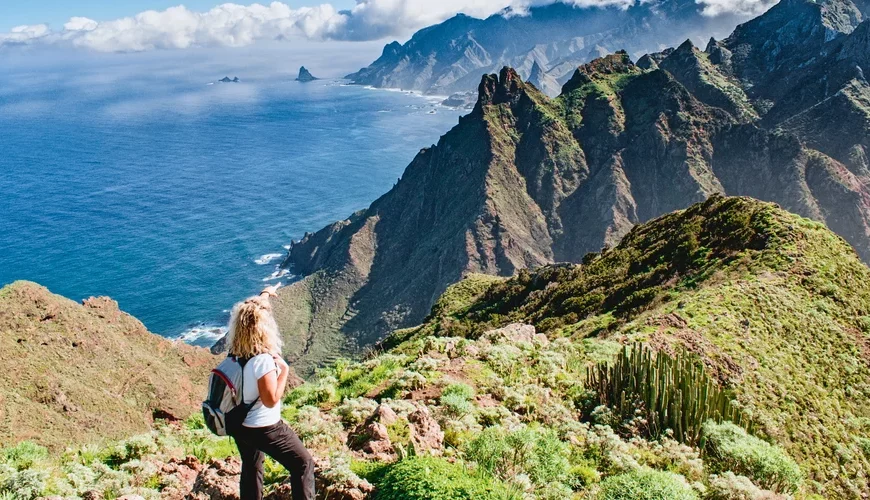
Cycling through Tuscany’s vineyards. Kayaking a Norwegian fjord. Trekking to Torres del Paine. Walking the Camino. The best holidays don’t happen from a coach window — they happen when you move through a landscape rather than past it.
There is a reliable way to tell a good holiday from a great one: what you talk about when you get home. If the answer is ‘the hotel was nice’ and ‘we saw some sights’, it was a good holiday. If the answer involves a specific hill you climbed, a specific stretch of river you paddled or a specific morning when you set off at dawn on a bicycle through fog-covered vineyards and arrived two hours later at a medieval hilltop town you had entirely to yourselves — that was something else. That was an active holiday tour.
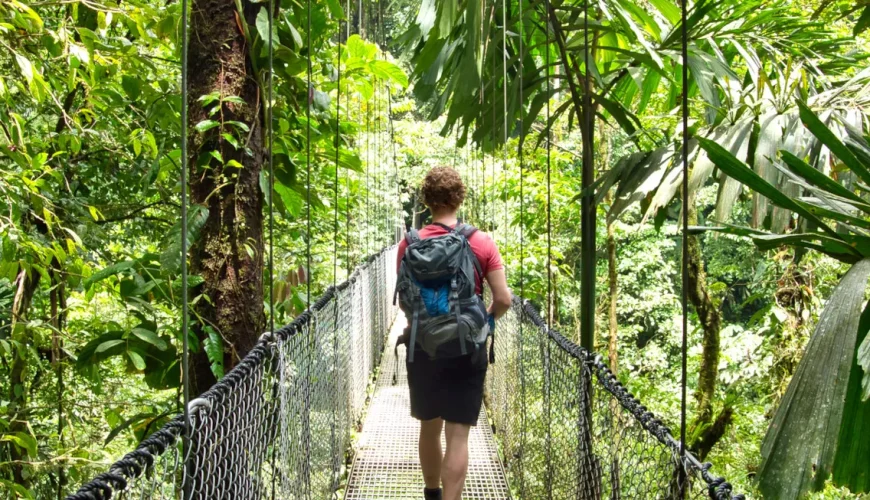
Active holiday tours — Aktivrundreisen in German, a word that captures the idea more precisely than English manages — are not sport holidays in disguise. They are not training camps or competitive events. They are journeys in which movement is part of the method, not just the transport. You move through the landscape at a pace that allows you to actually experience it: on a bicycle, on foot, on water. The destinations are the same as any other tour — Tuscany, Norway, Canada, Japan, New Zealand — but the experience of them is fundamentally different.
What is in this guide
- What makes an active holiday tour different: the honest definition
- What type of active traveller are you?
- The best destinations for active holiday tours
- Cycling and e-bike tours: the fastest-growing active travel format
- Walking and trekking tours: the original active journey
- Water-based tours: kayaking, rafting and sailing
- The combination approach: active and cultural, not either/or
- Active tours for groups and sports clubs
- Active tours for travellers over 50
- What makes a good active tour operator: quality criteria
- The most common booking mistakes
- Find and book your active holiday tour
1. What makes an active holiday tour different: the honest definition
An active holiday tour is not defined by how far you go or how fast. It is defined by how you travel between points. In a standard touring holiday, transport is the means and the destination is the point. In an active holiday tour, the movement between destinations is itself part of the experience — often the best part. The road through the Chianti vineyards from Greve to Radda is not just the way to get to Radda. It is the morning, the light, the smell of the earth, the effort in the legs on the climb, and the cold beer at the top that you have genuinely earned.
| Feature | Standard tour | Active holiday tour |
| Transport between stops | Coach, train or flight | Bicycle, walking, kayak, sailing |
| Daily structure | Sightseeing and cultural visits | Movement session plus cultural programme |
| Physical demand | Low to minimal | Moderate (lower or higher by choice) |
| Landscape experience | From a window or viewpoint | Immersed in it — on the road, on the trail, on the water |
| Typical duration | 7–14 days | 5–14 days |
| Best for | All ages; comfort-focused | Active adults; sports clubs; 40–70 active travellers |
The difference between an active tour and a normal holiday is not the distance covered. It is what you feel when you arrive. Moving your body through a landscape changes your relationship to it in a way that no viewpoint, no matter how spectacular, can replicate.
2. What type of active traveller are you?
Active holiday tours span a very wide range of physical demands — from gentle e-bike rides through flat vineyards to multi-day high-altitude treks with technical climbing sections. The most important decision before booking is an honest self-assessment. Every year, a small number of people book tours that are too demanding for their current fitness level, and the result is neither enjoyable nor safe.
| Profile 1: The Gentle Active Traveller
Daily distances of 10–15 km on foot, or 25–45 km by e-bike on flat to gently rolling terrain. No high-altitude sections, no overnight camping. A comfortable hotel at the end of each day is non-negotiable. Movement is enjoyable and important, but it is not a performance. Suitable destinations: Tuscany by e-bike, Loire Valley cycling, Normandy coastal walking, Crete coastal walks, Norwegian fjords on moderate routes. Approximately 45% of active holiday tour bookings fall in this category. |
| Profile 2: The Sport-Active Traveller
Daily walks of 15–25 km with up to 1,000m of elevation, or 50–80 km by road bike or mountain bike. Occasional overnight stays in mountain huts or simple accommodation. Regular exercise at home; wants to achieve something on holiday, not merely tick boxes. Suitable destinations: Dolomites hiking, Alpine crossing E5 (Oberstdorf to Merano), Camino de Santiago, Canadian Rockies wilderness, Nepal moderate trekking, Dalmatian coast cycling. Approximately 40% of bookings. |
| Profile 3: The High-Intensity Explorer
Daily distances over 25 km on foot, high-altitude terrain, multi-day wilderness travel with camping or mountain huts, white-water rafting, technical climbing. Excellent fitness; genuine outdoor experience and technical knowledge for the specific sport. Suitable destinations: Patagonia W-Trek, Iceland traverse, New Zealand Milford Track, Himalayan trekking, heli-skiing in British Columbia. Approximately 15% of bookings — but these tend to be the most memorable trips. |
| The most important advice in this guide
Be honest about your profile. The most common cause of disappointment in active travel is not the operator or the destination — it is optimistic self-assessment. A Profile 1 traveller on a Profile 3 itinerary is not an adventure. It is a miserable week. Choose the level that matches your current fitness, not your aspirational fitness. |
3. The best destinations for active holiday tours
| Destination | Main activity | Level | Best season | Why it works |
| Tuscany, Italy | Cycling / e-bike | Easy to moderate | April–June, Sept–Oct | Vineyards, medieval towns, excellent food; our Tuscany cycling blog |
| Norwegian Fjords | Hiking, kayaking, sailing | Moderate | June–August | Trolltunga, Preikestolen, fjord kayaking; dramatic landscape |
| Austrian Alps | Hiking, cycling | All levels | June–September | Hut-to-hut trails; Alpine crossing E5; lake cycling |
| Canadian Rockies | Hiking, canoeing, wildlife | Moderate to high | July–September | Banff, Jasper, wilderness; our Canada blog |
| Vietnam | E-bike, river cruise | Easy to moderate | Nov–March | Hue–Hoi An; Mekong Delta; our Vietnam blog |
| Camino de Santiago | Walking | All levels | April–October | Camino Francés, Portugués; spiritual and social |
| Iceland | Hiking, rafting, geothermal | Moderate to high | June–August | Lava fields, geysers, northern lights, waterfalls |
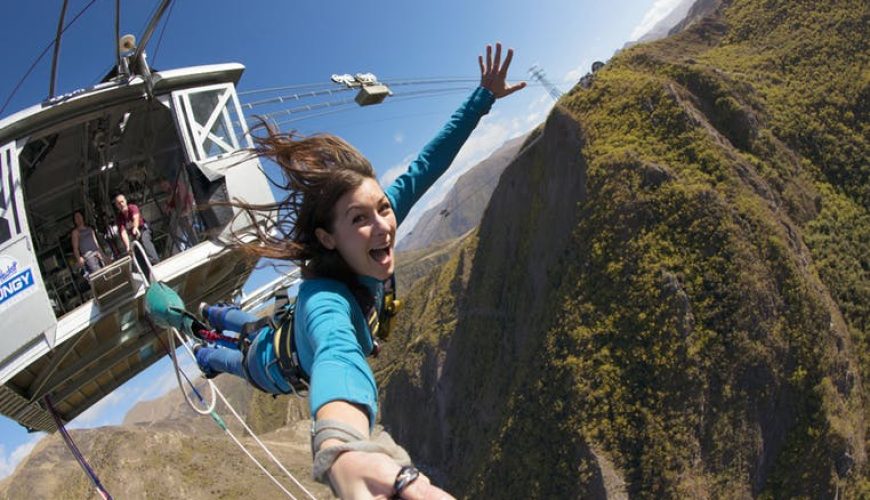
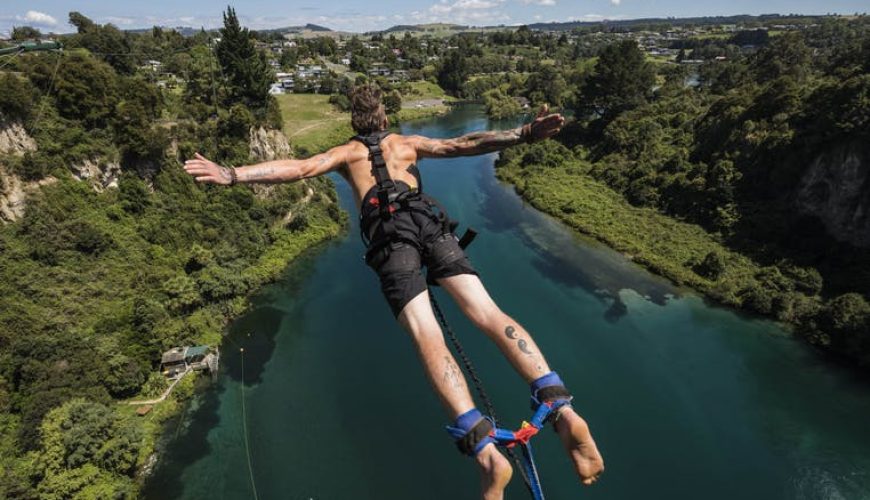
| New Zealand | Hiking, kayaking, bungee | Moderate to high | Nov–March (southern summer) | Great Walks; Milford Track; Fjordland |
| Patagonia | Trekking, climbing | High | Nov–March | Torres del Paine; W-Trek; extreme wilderness |
| Japan | Walking, cycling, culture | Easy to moderate | March–May, Sept–Nov | Kumano Kodo pilgrimage trail; Shikoku cycling |
4. Cycling and e-bike tours: the fastest growing active travel format
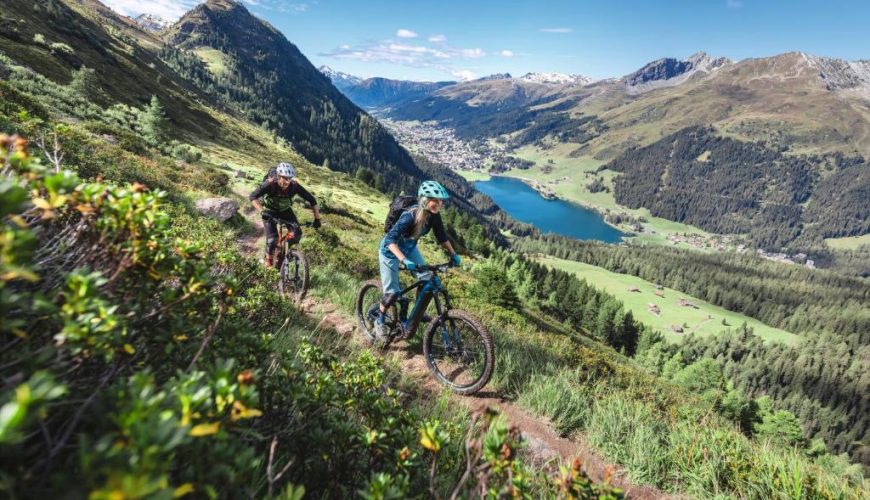
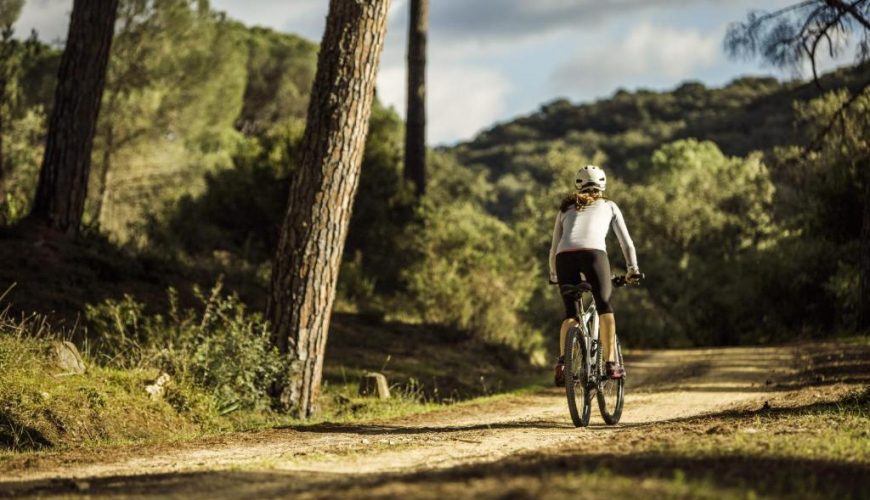
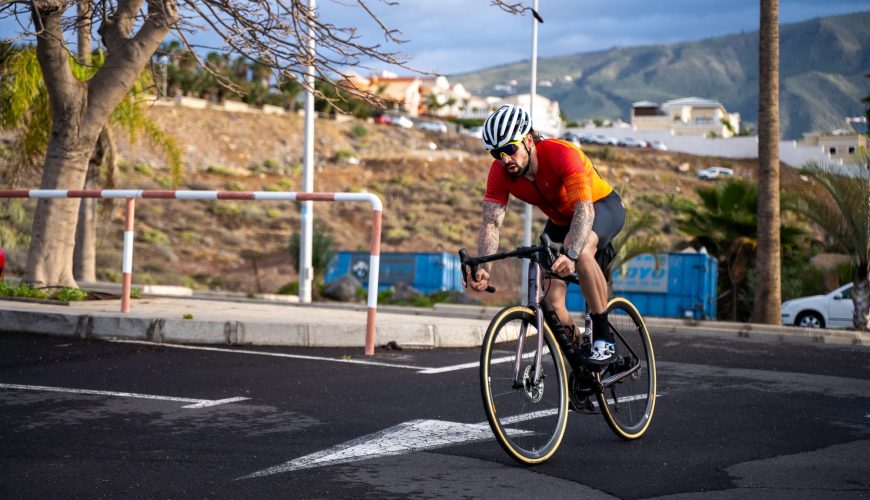
Cycling tours are the single fastest-growing segment in active tourism, and the e-bike is the primary reason. The electrically assisted bicycle has transformed cycling from a sport that required meaningful fitness into an activity that is genuinely accessible to almost any adult who can ride a bike. The hills of Tuscany, the passes of the Dolomites, the climbs of the French Pyrenees — all of these remain challenging with an e-bike, but they become enjoyable challenges rather than punishing ones. You still earn the view at the top. The motor just helps with the last 30%.
What a cycling tour is — and is not
A cycling tour uses the bicycle as the primary mode of transport between overnight stops. Your luggage travels ahead in a support vehicle or transfer van. You arrive at each new hotel or guesthouse by bike, not by coach. The road between the stops is not logistics — it is the itinerary. This distinction matters because it changes everything about how you experience the destination. You smell the lavender in Provence. You hear the river in the Dolomite valley. You stop when something catches your eye, because you can.
Top cycling tour destinations
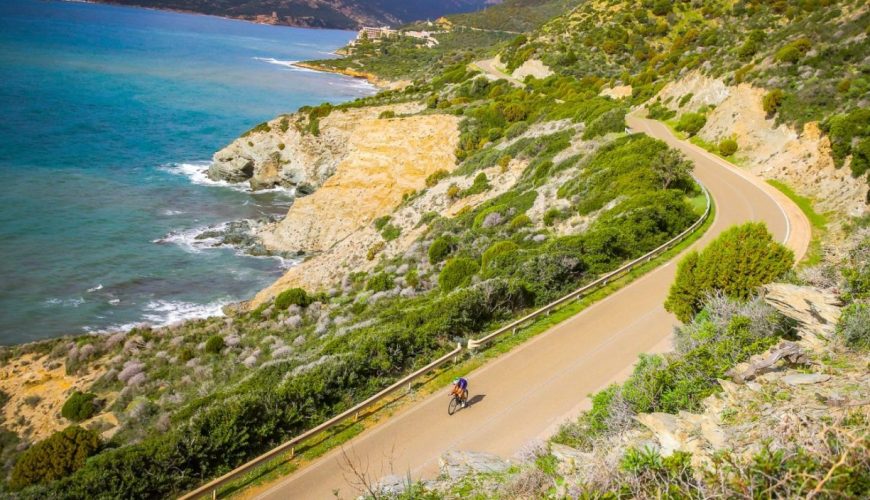
- Tuscany e-bike: Florence to Siena through the Chianti Classico wine region; 30–50 km per day; medieval hilltowns, vineyards and excellent wine at the end of every stage; our detailed Tuscany cycling blog covers every route and accommodation option
- Vietnam e-bike: Hue to Hoi An via the Hai Van Pass; 30–45 km per day; rice paddies, fishing villages and one of Southeast Asia’s most charming UNESCO towns at the finish; combinable with a Mekong Delta river cruise
- Dolomites cycling: Seiser Alm, Grödner Joch, Stelvio Pass; the most spectacular mountain cycling in Europe; e-bike makes the high passes accessible without road-racing fitness
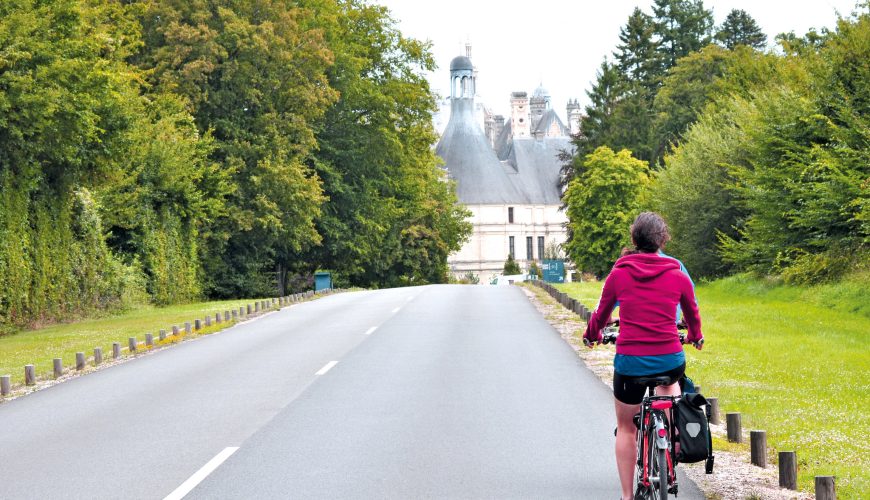
- Loire Valley, France: Flat to gently rolling; château to château; some of France’s finest wines along the route; excellent infrastructure for self-guided cycling tours
- Dalmatian Coast, Croatia: Coastal cycling with island-hopping by ferry; combines cycling with swimming and Croatian food; medium difficulty; very popular in May and September
5. Walking and trekking tours: the original active journey
Before bicycles, before horses, before any form of transport, humans walked. The walking tour is the oldest form of travel, and it remains one of the most satisfying — not despite its slowness, but because of it. At walking pace, you notice things that faster travel conceals: the texture of the path underfoot, the change in vegetation as you gain altitude, the particular quality of light in a mountain valley at seven in the morning before the clouds have lifted.
| Route | Country | Days | Level | Signature experience |
| Alpine Crossing E5 (Oberstdorf–Merano) | Germany/Austria/Italy | 8–10 | Moderate | Classic Alpine crossing; hut nights; glacier section |
| Camino Francés (St Jean–Santiago) | France/Spain | 30–35 (full) or sections | Easy | 800km; spiritual; social; life-changing for many |
| Dolomites High Route No. 1 | Italy | 8–10 | Moderate–Hard | Rifugio nights; dramatic rock scenery; Via Ferrata |
| Trolltunga / Preikestolen | Norway | Day hikes from base | Moderate | Two of Europe’s most spectacular viewpoints |
| W-Trek, Torres del Paine | Chile | 5–7 | Hard | Patagonian wilderness; glaciers; unpredictable weather |
| Milford Track | New Zealand | 4 | Moderate | World’s finest walk; Fjordland; limited permits |
| Kumano Kodo | Japan | 3–5 | Easy–Moderate | UNESCO sacred trail; ryokan nights; spiritual atmosphere |
6. Water-based tours: kayaking, rafting and sailing
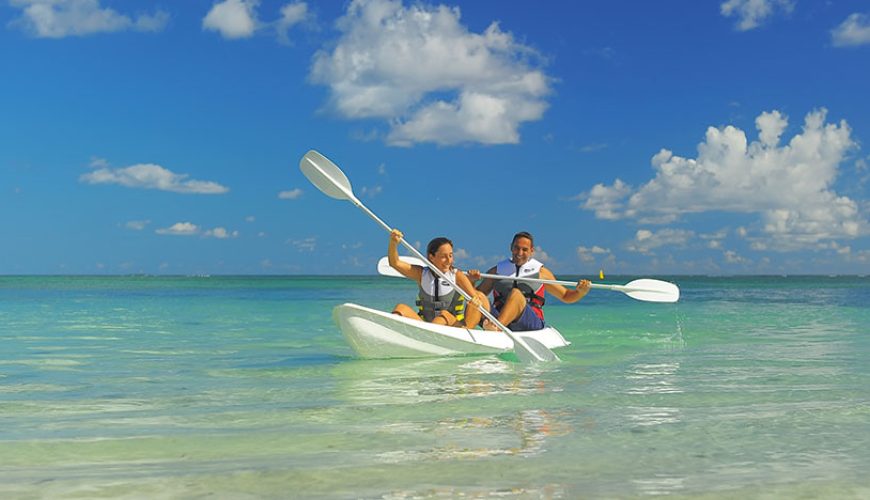
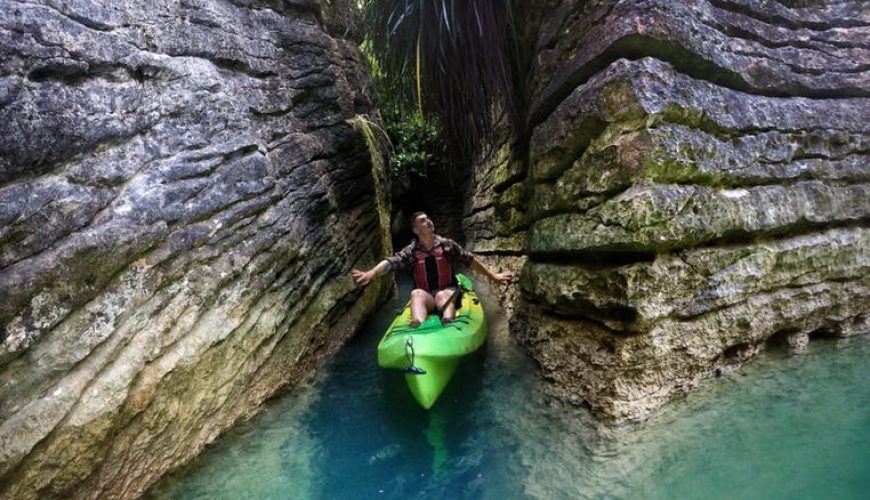
Water changes everything. The same fjord that is impressive from a viewpoint is transformative from a kayak — you are inside the landscape, not observing it. The same river that looks calm from a bridge becomes exhilarating on a raft. Water-based active tours offer a perspective on the natural world that land-based travel simply cannot provide, and the technical barrier to entry is lower than most people assume.
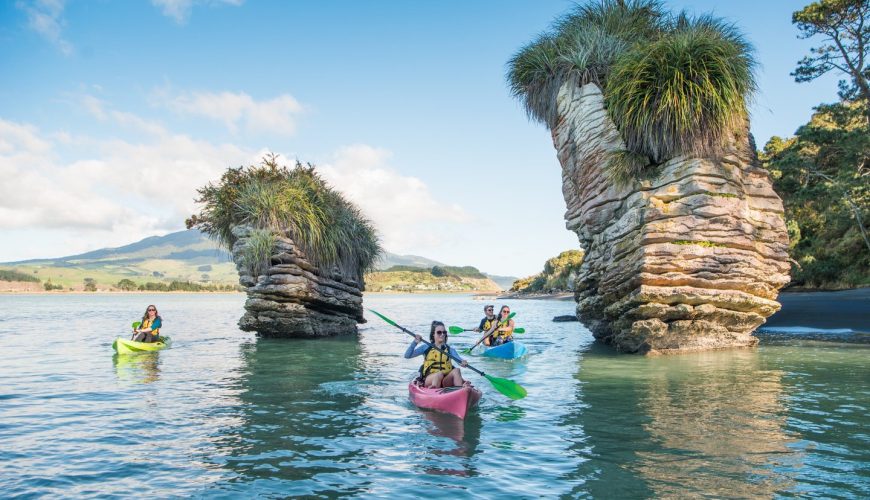
- Fjord kayaking, Norway: Multi-day kayak tours in Sognefjord or Geirangerfjord with overnight stays in fishing villages or at the water’s edge; guided; medium fitness required; one of the great active travel experiences in Europe
- White-water rafting, Austrian Alps: Salzach, Inn and Lech rivers; half-day to full-day rafting trips combinable with hiking or cycling days; excellent addition to any Austrian Alps active tour
- Yukon River canoe, Canada: 735km paddle from Whitehorse to Dawson City; 14–21 days; wilderness, bears, salmon and the historical gold rush trail; our Jack London Klondike blog provides the cultural context
- Sailing, Croatia or Greece: Island-hopping under sail; 7–14 days; no experience required with a skipper aboard; the ideal combination of activity, culture and Mediterranean beach time
- Stand-up paddleboarding and kayaking, Baltic coast: German islands and coastline; beginner-friendly; short travel distances from DACH countries; ideal for weekend active travel
7. The combination approach: active and cultural, not either/or
The most persistent misconception about active holiday tours is that they trade culture for sport. That choosing an active tour means giving up museums, architecture, food, history and the pleasures of sitting still in a beautiful place with a glass of something local. This is wrong, and the best active tour operators know it.
The Tuscany cycling route passes through Castellina in Chianti, Radda and Gaiole — hilltowns with 600 years of wine history that the cycling gives you time and reason to explore, rather than drive past. The Vietnam e-bike tour ends in Hoi An, one of Southeast Asia’s finest UNESCO old towns, where the correct response to arriving is to spend an afternoon doing absolutely nothing. The Yukon River canoe trip travels through the landscape of the Klondike Gold Rush — a story that is inseparable from the geography of the river itself. Movement and culture are not competing priorities. They are the same experience, experienced differently.
The golden rule of an active holiday tour: you should arrive at dinner tired enough to appreciate the chair, hungry enough to eat everything, and happy enough to stay longer than you planned.
8. Active tours for groups and sports clubs
Sports clubs, walking groups, cycling clubs and groups of friends are discovering the active holiday tour as the ideal format for group travel. The shared physical effort creates a kind of connection that conventional group travel does not — shared exhaustion, shared triumph, shared arrival. These are the stories that get told for years.
What group active tours offer that individual travel cannot
- Shared challenge: The day’s route connects the group; you struggle with the climb together, celebrate the summit together, arrive together
- Natural team structure: Stronger members support weaker ones; the slowest member sets the pace; nobody is left behind
- More memorable: Shared physical experiences become shared stories — the best kind of group memory
- Sports club trips: Tennis clubs (see our Turkey tennis holiday guides), cycling clubs (Tuscany, Dolomites), walking clubs (Alps, Camino) — sportmeeting.de offers active tour packages for all club types
- Practical advantages: Group discounts from 8+ participants; blocked accommodation at stages along the route; group luggage transfer coordination
9. Active tours for travellers over 50
The fastest-growing demographic in active tourism is travellers over 50. Experienced, time-rich, physically fit and with a clear sense of what they want from travel — this group is transforming the active holiday market. E-bikes have opened cycling tours that were previously accessible only to younger riders with serious fitness. Guided walking tours with luggage transfer have removed the weight-bearing burden that made multi-day hiking trips impractical for many older travellers.
| Tour type | Suitability for 50+ | Key consideration |
| Tuscany e-bike tour | Excellent | Motor removes the hills; self-paced; comfort hotels throughout |
| Guided Alpine walking | Very good | Luggage transfer; choose daily km realistically (12–15 max) |
| Mekong river cruise + e-bike | Excellent | Comfort on the ship; shore excursions dosable; no camping |
| Camino de Santiago (sections) | Good | Set your own pace; walk chosen sections, not necessarily all 800km |
| Greek islands sailing | Very good | Skipper available; no experience needed; relaxed and active |
| Canadian Rockies self-drive | Good | Motorhome format; hikes individually chosen; maximum flexibility |
| Norwegian fjords moderate | Very good | Boat connections; guided walks; spectacular scenery accessible |
10. What makes a good active tour operator: quality criteria
- Realistic route profiling: Daily distances and elevation must match the stated difficulty level; ‘suitable for all levels’ applied to a 25km mountain day is a red flag
- Luggage transfer included: On cycling or walking tours of more than 4 days, luggage transfer is a necessity, not a luxury; it should be included as standard by any serious operator
- Accommodation quality: Not necessarily five-star, but clean, comfortable and situated directly on the route; not a 30-minute detour to the nearest available hotel
- Group size limits: Maximum 12–16 people for guided active tours; larger groups lose the active character and flexibility that defines the format
- Emergency protocol: Clear written procedure for injuries, exhaustion or weather-related itinerary changes; support vehicle on longer cycling tours; local emergency contacts
- Operator experience: Minimum 3–5 years running the specific route; route expertise is not transferable from one destination to another
- Verified reviews: Real customer reviews from verified platforms; not testimonials selected by the operator
11. The most common booking mistakes
- Overestimating fitness: The single most common source of active holiday disappointment; choose one level below your optimistic estimate
- Wrong season: Tuscany in August is 36°C on a bike; Norway in October is gale-force winds on the fjord; seasonal recommendations exist for good reasons
- Insufficient time: Active tours are physically more demanding than standard tours; arrival and departure days do not count as full active days; build in a recovery buffer
- Equipment not prepared: Walking boots need breaking in weeks before departure; testing the hire bike on day one of a 10-day tour is too late
- No travel insurance: Active holidays carry higher injury risk than standard travel; comprehensive travel and accident insurance is essential, not optional
- Booking too late for peak routes: The Milford Track in New Zealand has limited permits that sell out months ahead; the Alpe d’Huez cycling route in summer books out fast; plan 4–6 months ahead for peak-season active tours
12. Find and book your active holiday tour
The right active holiday tour exists for every fitness level, every interest and every budget — from a gentle week cycling through Loire Valley châteaux to a three-week wilderness trek through Patagonia. The challenge is not finding active tours; it is finding the one that fits your profile precisely. That is where sportmeeting.de comes in.
| Active Holiday Tours — find yours on sportmeeting.de
sportmeeting.de is Europe’s specialist platform for sport travel and active holidays. Find active tour packages from all major German-speaking tour operators — cycling tours, walking tours, water-based tours, combined sport and culture itineraries — filtered by destination, activity type, difficulty level, duration and price. Also: tennis holidays, golf breaks, training camps, sport hotels and youth sport camps — everything active, in one place. → Find your active holiday tour on sportmeeting.de |
The best holidays are the ones where you come home tired in a good way — where your legs remember the climb, your arms remember the paddle and your eyes remember the light on the vineyard at seven in the morning when you were the only person on the road. Active holiday tours do not replace the pleasures of travel. They add the one thing that sitting in a coach cannot: the feeling that you were actually there.
Comment (0)