

The Ultimate Guide to Costa Rica Round Trips Exploring Ecological Wonders and Hidden Tropical Gems
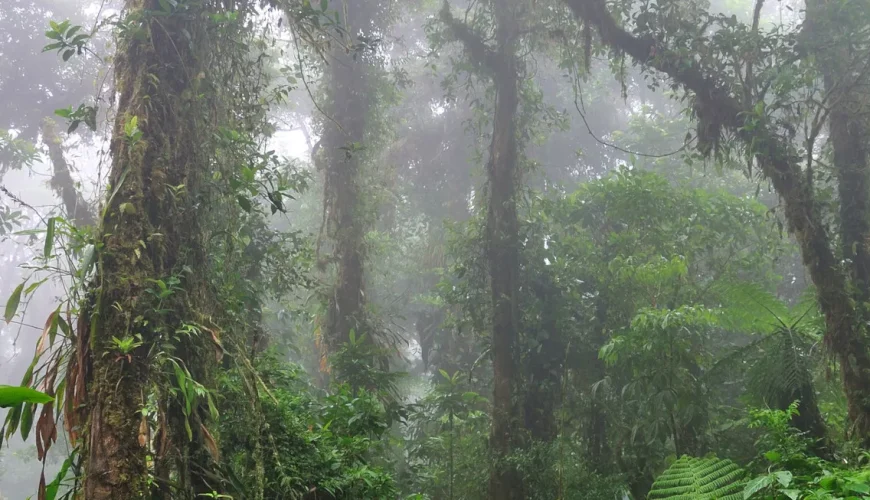
Costa Rica shines globally as the primary pioneer of sustainable ecotourism. Nestled tightly between the Caribbean Sea and the Pacific Ocean, this Central American nation gathers an astonishing density of delicate ecosystems within a remarkably small geographical footprint. Although the country is comparable in total landmass to smaller European states, it proudly shelters more than five percent of the entire planet’s total biodiversity. It functions effectively as a sprawling, living outdoor laboratory where dense tropical rainforests, misty high-altitude cloud forests, active volcanic mountain ranges, and untouched coastal beaches transition seamlessly into one another. For sophisticated nature enthusiasts, dedicated adventurers, and meticulous planners of long-distance vacations, the country provides a structurally optimized travel network. The entire nation operates under the famous guiding philosophy of Pura Vida, which translates conceptually to the pure life. This mindset represents a deep lifestyle commitment that harmonizes the active protection of natural habitats with a deeply relaxed, welcoming approach to daily human existence.
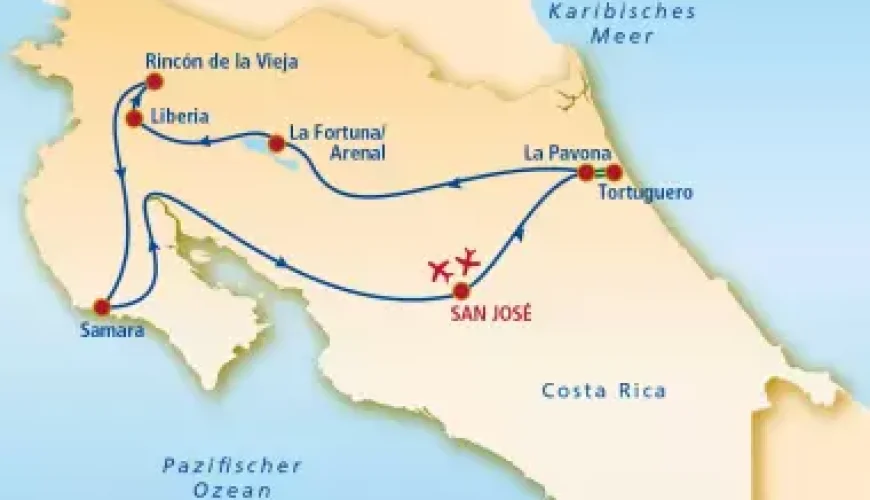
Travelers organizing an expedition through this Central American garden of Eden face several core planning decisions. Identifying which national parks are absolutely mandatory, selecting the outdoor activities that guarantee the most authentic jungle immersion, navigating local transportation, and preparing appropriate medical precautions for distinct climate zones are all vital elements of a successful itinerary. A classic exploration itinerary moves in a strategically designed loop that transitions from the high-altitude urban centers of the central valley directly to the protected river networks of the Caribbean coastline, before continuing through the seismic volcanic core and concluding along the sun-drenched shores of the Pacific.
Discovering the Vibrant Urban Culture and Historic Highlights of San Jose
The journey begins in San Jose, the bustling capital city situated in the geographic heart of the land within the fertile Valle Central. Serving as the primary logistics hub for almost every international traveler, the capital offers a window into the urban history and cultural evolution of the country. The National Theatre stands out as a striking architectural masterpiece built during the late nineteenth century. Financed entirely by historical coffee barons who drove the early economy, the monument features a neoclassic facade, opulent marble statues, and a lavish foyer designed in traditional European styles.
Beneath the bustling nearby public squares lies the Pre-Columbian Gold Museum, an underground exhibition space housing one of the largest collections of indigenous gold artifacts in Latin America. These ancient pieces showcase the remarkable craftsmanship, complex social structures, and spiritual universe of the native populations long before European arrivals. For an immediate immersion into daily local life, the historic Central Market offers a multi-sensory experience. Operating continuously since the late nineteenth century, this indoor marketplace features labyrinthine aisles packed with exotic fruits, freshly roasted coffee beans, traditional herbal remedies, and local artisan crafts. It also serves as an excellent location to sample authentic, home-cooked regional meals inside small family-owned restaurants known locally as sodas.
Navigating the Isolated Waterways and Wildlife Sanctuaries of Tortuguero National Park
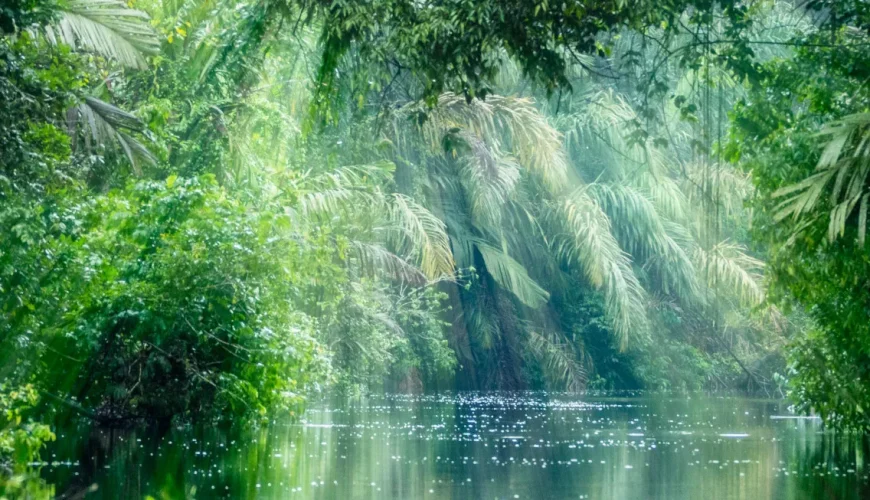
Moving toward the northeastern Caribbean coastline, travelers encounter the completely isolated wilderness of Tortuguero National Park. This unique coastal sanctuary is entirely inaccessible by road and can only be reached via small boats or light aircraft navigating the regional water networks. Due to its massive maze of natural rivers, quiet lagoons, and historical canals, the park is frequently referred to as the regional equivalent of the Amazon rainforest. The primary highlight here involves drifting silently in small watercraft beneath the overhanging canopy of the dense lowland jungle. Navigating from the water allows for wildlife viewing opportunities at a frequency and proximity that would be impossible during standard foot safaris.
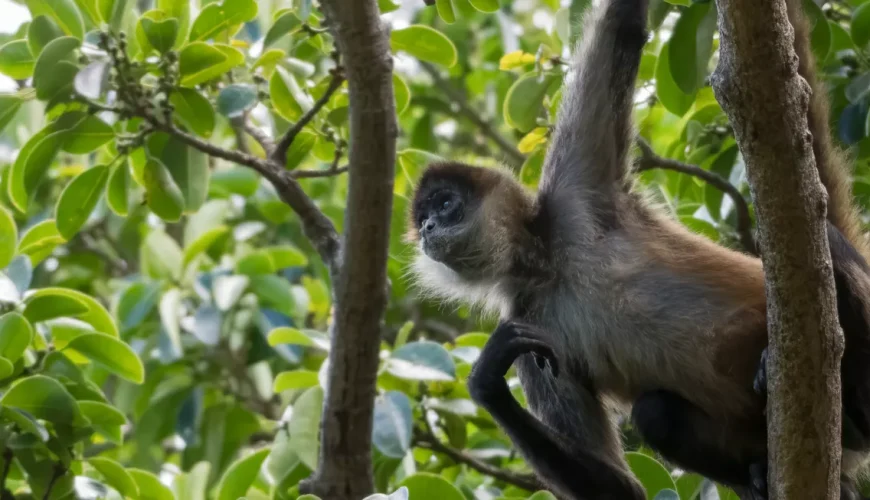
Visitors routinely observe spectacled caimans, playful river otters, white-faced capuchin monkeys, loud howler monkeys, slow-moving three-toed sloths, and a spectacular array of tropical birds including bright toucans. The region takes its historical name from the local word for turtle, reflecting its status as the most critical nesting site in the western Atlantic for the endangered green sea turtle. Witnessing these massive marine creatures crawl out of the surf to deposit their eggs on the dark volcanic sands under strict ecological supervision remains an unforgettable highlight.
Witnessing Geothermal Energy and Ancient Lava Fields at Arenal Volcano
The journey then proceeds to the northern lowlands, where the majestic Arenal Volcano rises as a mathematically perfect conical pyramid above the surrounding tropical plains. While the volcano entered a quiet resting phase after decades of continuous activity, its dramatic physical presence and geothermal energy continue to define the entire landscape. The surrounding national park features trails that lead hikers directly across the rugged, blackened lava fields formed during major historical eruptions. Walking over this stark volcanic rock while observing how resilient pioneer plants gradually reclaim the terrain provides a powerful lesson in natural regeneration.
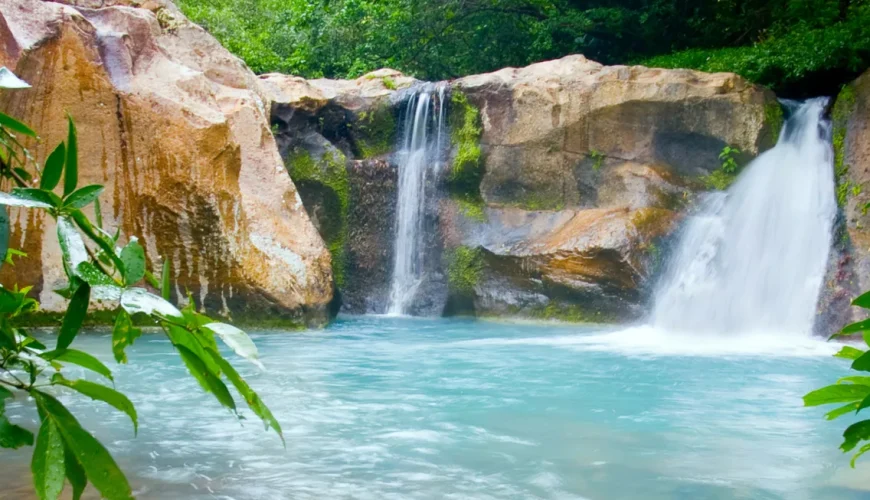
The deep underground magma chambers of the volcano naturally heat the local river systems, feeding various thermal hot springs around the town of La Fortuna. Excellent eco-resorts have developed cascading pools embedded within lush tropical gardens, offering a deeply therapeutic environment to relax weary muscles after long days of jungle trekking.
Exploring Boiling Mud Pots and Rare Dry Forests in Rincon de la Vieja
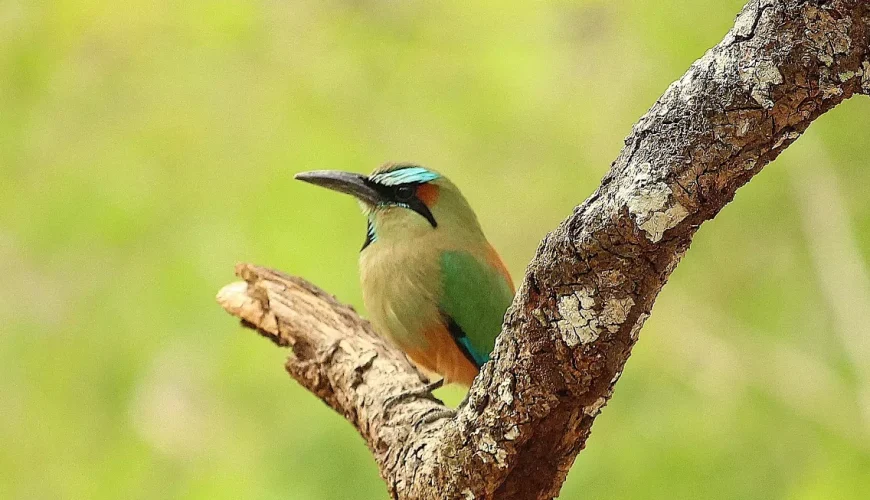
Further to the northwest, in the drier province of Guanacaste, the landscape changes dramatically at Rincon de la Vieja National Park. This protected zone contrasts sharply with the humid eastern rainforests, providing an up-close look at intense geothermal phenomena. Walking the loops of the specific trail sectors reveals a steaming, hissing terrain where grey mud pots boil continuously, mineral-rich sulfur springs bubble up, and volcanic fumaroles blast hot gases into the mountain air. This primeval landscape features a distinct aroma of sulfur and serves as a vivid reminder of the planet’s internal energies. Additionally, the park protects vital tracts of rare tropical dry forest, creating a specialized habitat for iguanas, white-nosed coatis, and unique bird species like the brilliantly colored turquoise-browed motmot.
Aerial Adventures through the Rain Forest Canopy and Hanging Bridge Systems
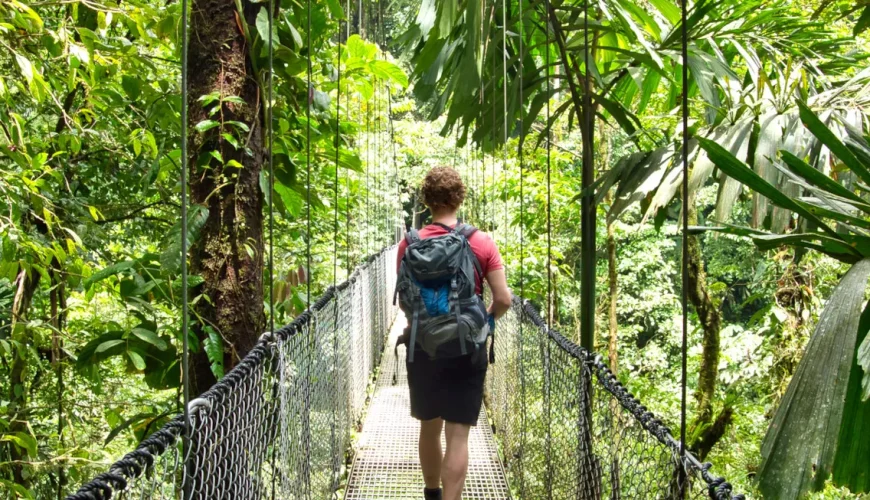
An authentic exploration of this country requires active physical participation rather than passive observation from a tour bus window. The local tourism infrastructure specializes in low-impact adventure activities that deliver excitement while maintaining total environmental integrity. Walking across expansive hanging bridge systems allows travelers to explore the complex ecosystem of the upper rainforest canopy. Because the vast majority of jungle life thrives in the sunlit treetops rather than on the dark forest floor, these stable aerial walkways suspended high above deep ravines provide an eye-level view of sleeping sloths, colorful butterflies, and rare epiphytic orchids.
For those seeking an adrenaline rush, the country is famous as the global birthplace of modern canopy zip-line tours. Originally developed by field researchers to study treetop biology without disturbing the ground ecosystem, zip-lining is now a highly sought-after adventure. Secured by specialized climbing harnesses to heavy steel cables, participants glide from platform to platform high above the jungle canopy, taking in sweeping panoramic views of the forested valleys below.
Pacific Coast Relaxation and Seasonal Marine Turtle Conservation in Samara Beach
Following an intensive trek through volcanic parks and dense jungles, spending time along the tranquil Pacific coast provides the ultimate setting for physical recovery. The coastal village of Samara on the Nicoya Peninsula stands out as an exceptional location for beach relaxation. The main beach features fine pale sand arranged in a gentle horseshoe bay, protected from heavy open-ocean swells by a thriving offshore coral reef. The calm, exceptionally safe waters make it an ideal spot for swimming, sea kayaking, or learning to surf in a gentle environment.
During the late autumn months, the area hosts a spectacular wildlife event. On nearby protected beaches, guided night walks allow visitors to witness marine turtles emerging from the ocean waves to dig nests and lay eggs in the soft sand, operating under the careful guidance of certified conservationists.
Embracing the Warm Local Hospitality and Cultural Meaning of Pura Vida
True immersion in this destination requires an understanding of the warm, peaceful culture of the local people, who affectionately refer to themselves as Ticos and Ticas. The ubiquitous phrase Pura Vida serves as a multi-functional expression used for greetings, farewells, gratitude, and general reassurance. It represents a deeply rooted cultural mindset focused on appreciating existing blessings, living mindfully in the present moment, keeping stress to a minimum, and treating fellow human beings with genuine kindness. The country made the historic constitutional decision to permanently dissolve its military forces in the mid-twentieth century, deliberately redirecting those national funds into public education, healthcare networks, and environmental preservation. This political legacy continues to shape the peaceful character and high literacy of modern local society.
While Spanish is the official national language, the local dialect is known for its clear, melodic, and relatively measured cadence, making it accessible to language learners. Due to a robust national education system and a long-standing hospitality tradition, English is spoken fluently by staff throughout the travel sector, including hotels, national parks, and urban restaurants. Nevertheless, mastering basic expressions of courtesy like good morning or thank you goes a long way in showing respect and instantly fostering warm connections with the local population.
The Practical Logistical Advantages of Guided Small Group Tours
Arriving from Europe is highly efficient, with major international airlines operating regular scheduled flights from major hubs like Frankfurt directly to the primary international airport in San Jose. Premium tour packages frequently streamline the domestic logistics by bundling integrated rail tickets, allowing travelers to utilize high-speed train networks to reach their departure airports smoothly. Once on the ground, exploring the country within an organized small group offers immense practical benefits over solo travel. Limiting group sizes minimizes the human noise footprint on narrow jungle trails, drastically increasing the likelihood of spotting timid wildlife like camouflaged frogs, monkeys, or rare nesting birds.
Small groups also enjoy superior logistical flexibility, enabling spontaneous roadside stops when a guide spots a sloth hanging near the path or a troop of coatis crossing the road. Furthermore, smaller travel parties can be accommodated in intimate, character-rich jungle lodges and family-operated boutique hotels that blend into the natural environment, avoiding large, impersonal commercial resorts. A certified local guide serves as an invaluable asset during the journey, possessing rigorous state training and encyclopedic knowledge covering tropical biology, regional geology, and national history. These professionals carry high-powered spotting scopes on nature walks, revealing tiny, expertly camouflaged creatures like strawberry poison dart frogs or roosting bats hidden deep within the green foliage, while explaining the intricate symbiotic relationships that sustain the rainforest.
Essential Travel Health Advice and Eco Friendly Medical Safety Guidelines
The country boasts a highly advanced, modern healthcare network, with medical centers in urban areas meeting strict western standards. While there are no mandatory vaccine requirements for travelers arriving directly from western Europe, a personal medical consultation a few weeks prior to departure is always a wise precautionary measure. Ensuring routine updates for standard immunizations alongside specific travel recommendations like hepatitis protection is standard practice. Because the country features a tropical climate, biting insects are a natural component of the local ecosystem. While malaria risks remain negligible across the standard commercial travel routes, certain daytime-active mosquitoes can transmit seasonal tropical viruses like dengue. Therefore, consistent use of high-quality insect repellents containing proven active ingredients like DEET or Icaridin is the single most effective health precaution. Wearing lightweight, long-sleeved clothing and sturdy footwear during jungle excursions provides additional protection.
A major benefit for international visitors is that tap water maintains high purity and drinking quality across the capital city and major tourist centers. However, to avoid placing unnecessary stress on the digestive system during the initial days of a long-haul trip, sensitive travelers often choose sealed bottled water, which is widely accessible. Hygiene standards across local dining establishments and traditional roadside eateries are exemplary, meaning the consumption of fresh tropical salads, local fruits, and blended fruit juices is generally safe and highly recommended. Ultimately, the unique combination of pristine natural environments, abundant wildlife encounters, political stability, and the genuine warmth of the local culture makes this destination a premier choice for an unforgettable, low-stress tropical expedition.

Comment (0)