from 0 review
15 days
Specific Tour
38 people
English
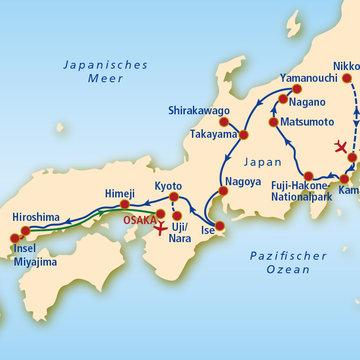
Discover the fascinating highlights of Central and Western Japan on a comfortable group tour with stays in selected premium hotels. Travel conveniently by coach and Shinkansen bullet train from one highlight to the next, while experiencing the spectacular landscapes of the Japanese Alps.
Experience a country of fascinating contrasts, where centuries-old traditions blend harmoniously with modern innovation. Explore the dynamic metropolis of Tokyo, admire diverse natural landscapes and discover Japan’s unique culture, from beautiful Zen gardens and lively shopping districts to impressive mountain scenery.
From vibrant cities and historic cultural treasures to peaceful gardens and spectacular alpine landscapes, Japan offers an extraordinary diversity of experiences and unforgettable moments throughout this fascinating journey.

Flight from Germany to Tokyo
Begin your journey to Japan with your scheduled flight from Germany to Tokyo.
Today, it is time for Yokoso – welcome to Tokyo! Upon arrival at the airport, your tour guide will meet you and accompany you by coach to your hotel in Tokyo. Rooms are available from the afternoon.
Use the rest of the day to settle in and enjoy your first impressions of Japan’s vibrant capital. Experience the energy of Tokyo’s streets, a fascinating blend of modern city life and traditional Japanese culture.
Accommodation:
Asakusa View Hotel
(or similar)
Meals: Breakfast
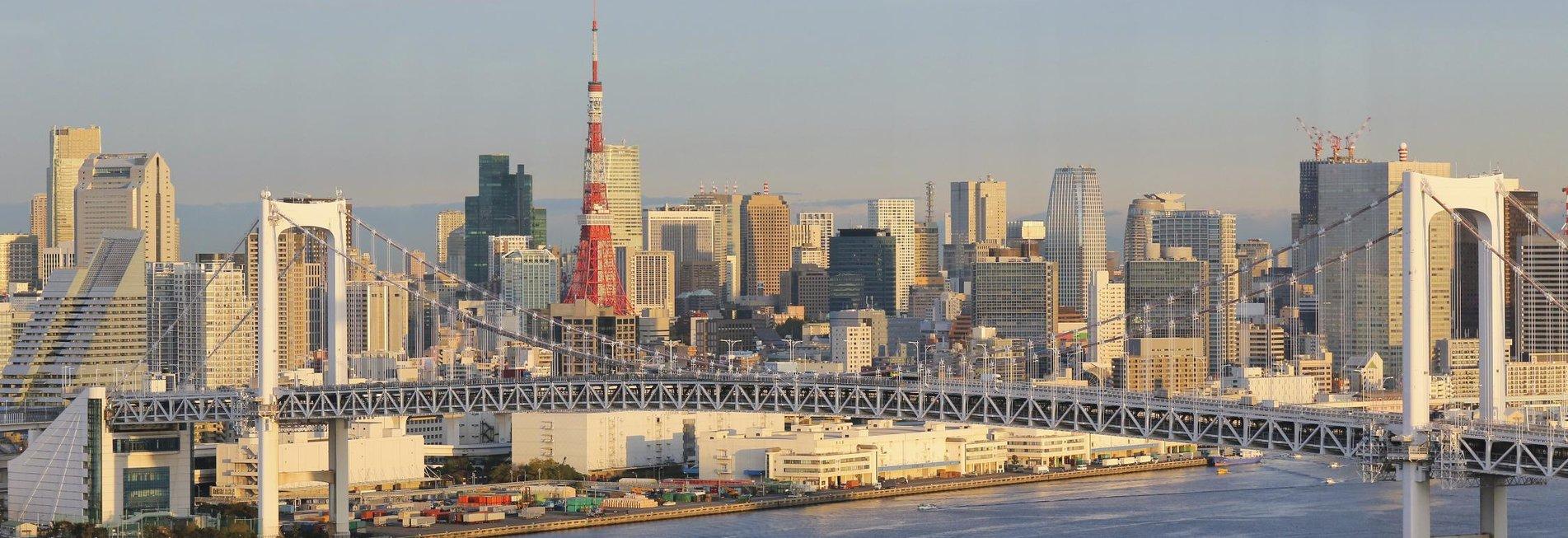
Tokyo is enormous, vibrant and full of contrasts. Today, you will discover some of the many different faces of Japan’s fascinating capital.
After a photo stop at the Imperial Palace and the famous Nijubashi Bridge, your sightseeing tour continues to the Meiji Shrine, set in an extensive forested area. Dedicated to Emperor Meiji and Empress Shoken, the shrine is an important symbol of the connection between the Japanese imperial family and Shinto, Japan’s traditional religion.
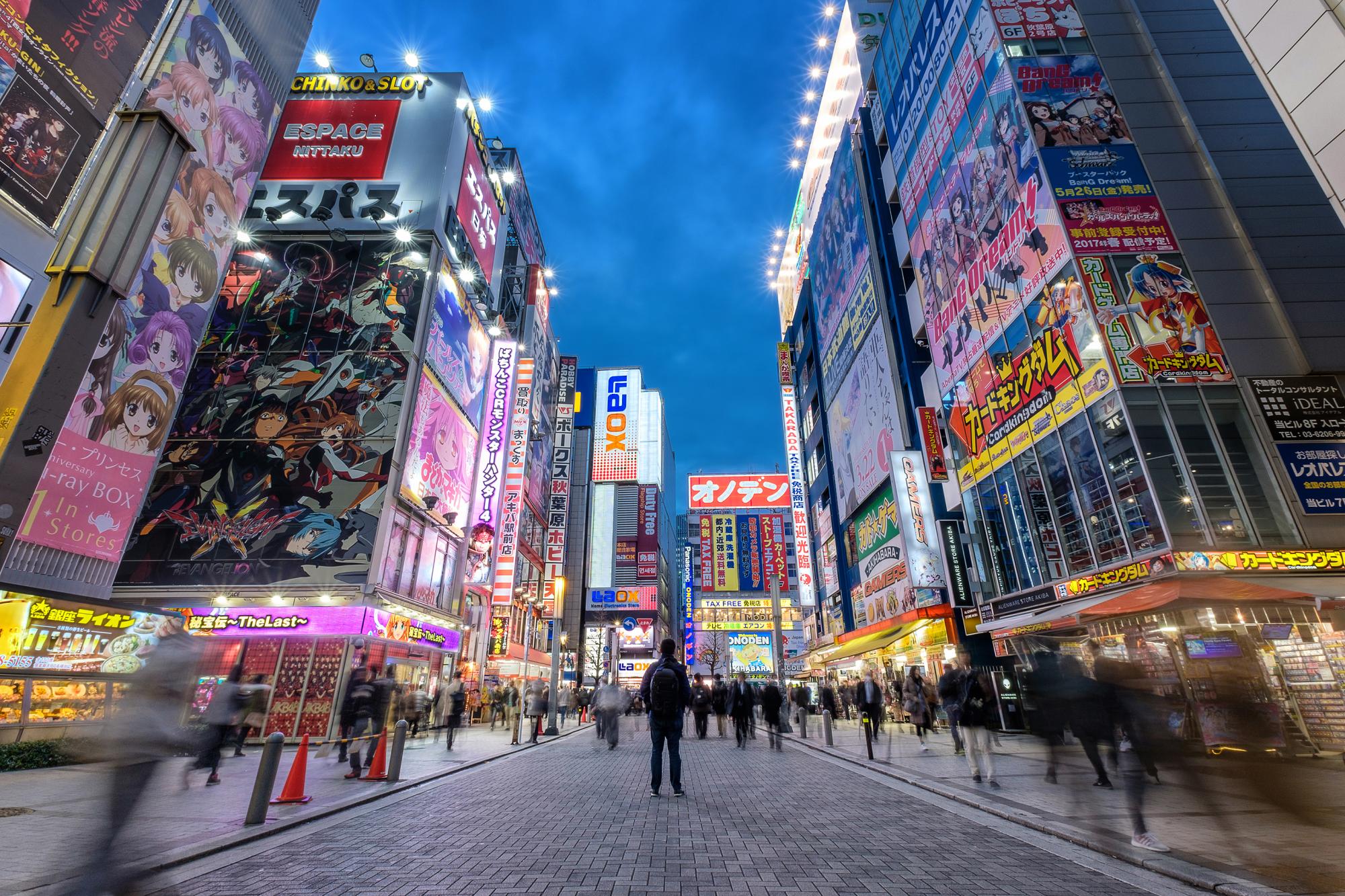
Just outside the shrine grounds lies Harajuku, Tokyo’s iconic fashion district and a center of Japanese youth culture. A walk along lively Takeshita Street offers an insight into the colorful and sometimes eccentric world of Tokyo’s younger generation.
In the traditional district of Asakusa, visit the famous Buddhist Sensoji Temple, Tokyo’s oldest temple. The approach leads through Nakamise-dori, a bustling shopping street lined with traditional shops and stalls, before reaching the Kaminarimon, or Thunder Gate, with its enormous 750-kilogram lantern.
Along the banks of the Sumida River, enjoy views of the Tokyo Skytree, which rises 634 meters above the city and is one of the world’s tallest structures.
The day concludes with an opportunity to enjoy one of Tokyo’s spectacular viewpoints, such as the Mori Tower in Roppongi or the observation facilities in Azabudai Hills. From above, take in an unforgettable panorama of the vast Tokyo metropolitan area.
Accommodation:
Asakusa View Hotel
(or similar)
Meals: Breakfast
Today, you can explore Tokyo independently or join your tour guide on an optional excursion to Nikko. Return to Tokyo in the early evening.
Nikko is one of the cultural highlights of any journey through Japan. Surrounded by the natural beauty of Nikko National Park, the town is home to an extensive complex of shrines and temples, recognized as a UNESCO World Heritage Site.
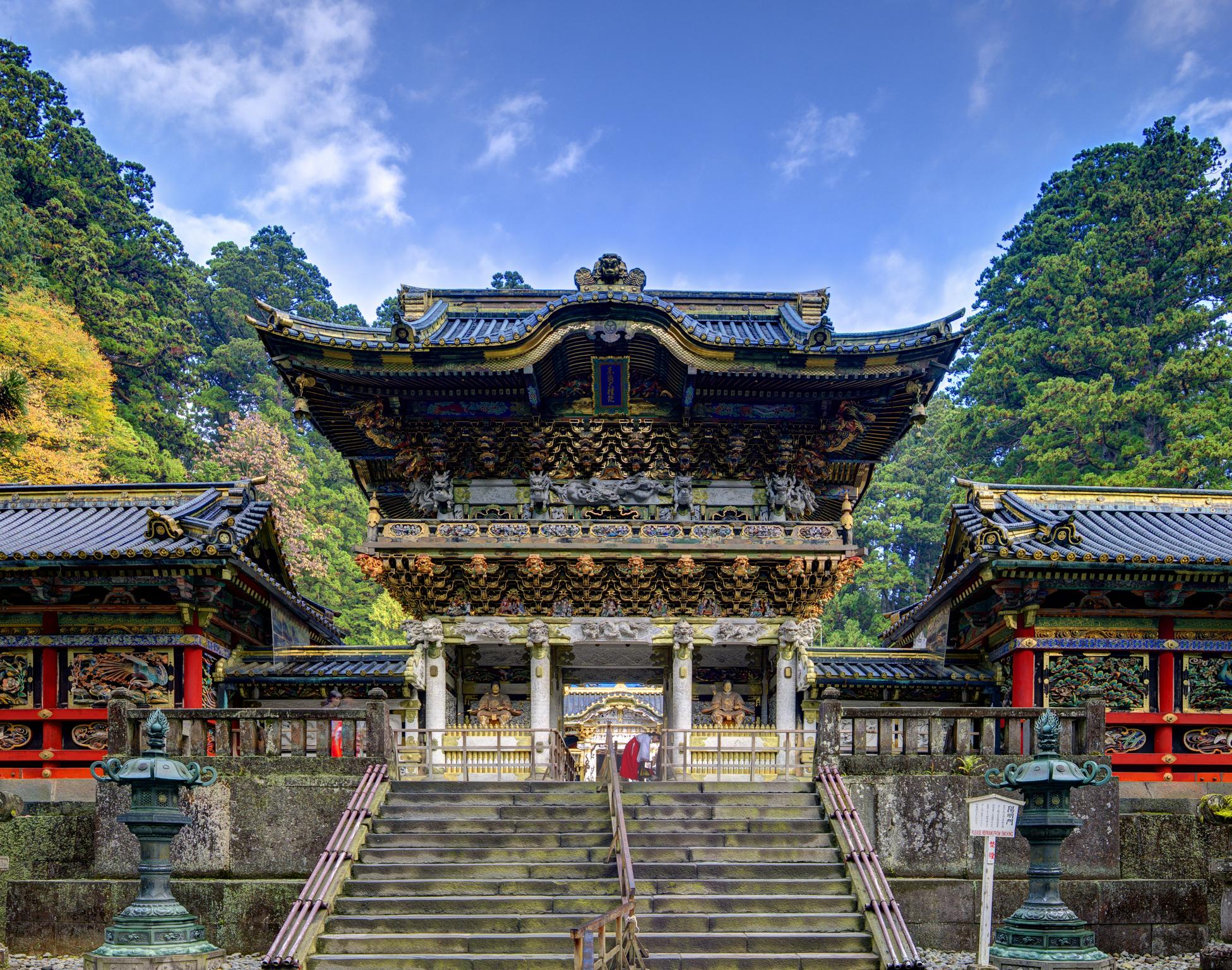
One of the outstanding highlights is the magnificent Toshogu Shrine, renowned for its elaborate 17th-century wood carvings. It is Nikko’s most important shrine and is dedicated to the deified spirit of Tokugawa Ieyasu, founder of the Tokugawa shogunate. Nowhere else is the extraordinary architecture and craftsmanship of this important period of Japanese culture more impressive.
You will also visit the imposing Rinnoji Temple at the foot of the mountain and admire its enormous wooden Buddhist statues, which have inspired awe among pilgrims for centuries.
Return to Tokyo in the early evening.
Optional: Traditional Japanese Evening
Depending on the travel date, particularly during the peak season in March and April, the Japanese evening may take place on Day 3 instead.
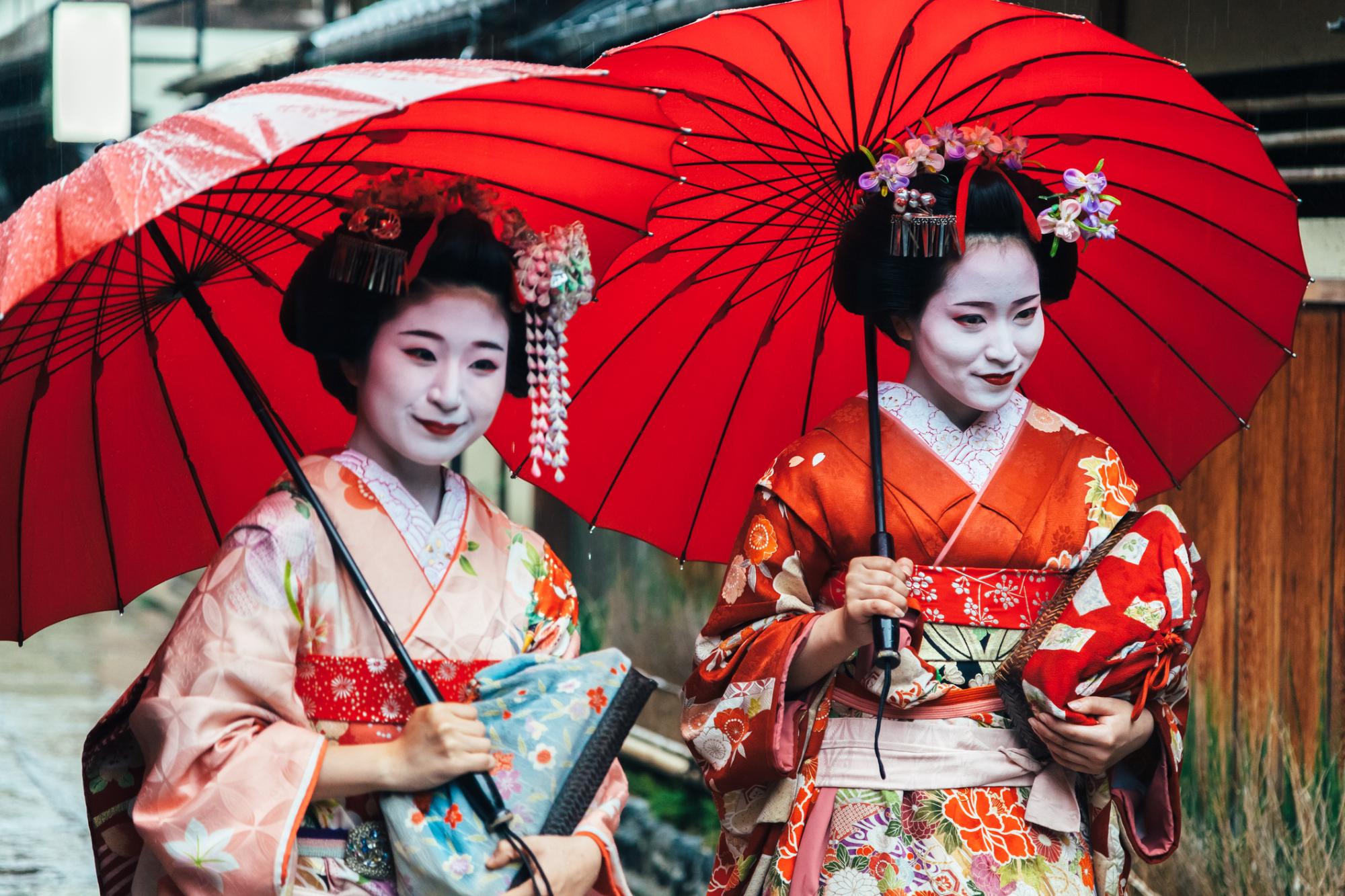
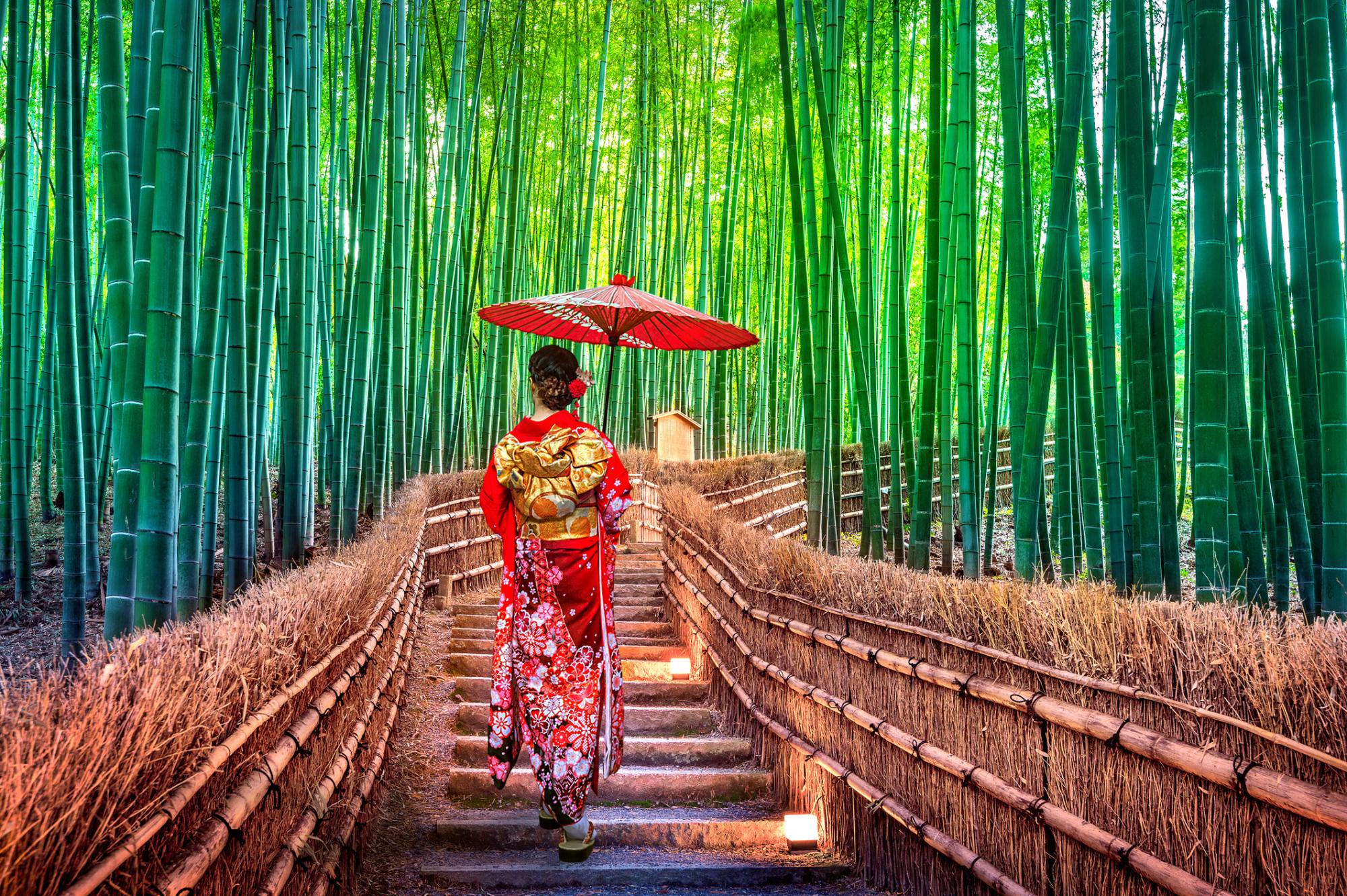
Tonight is dedicated to traditional Japanese culture. In a traditional Japanese restaurant, enjoy an exquisite Japanese dinner followed by an entertaining cultural performance featuring one or two authentic Japanese geisha.
Dressed in elaborate kimonos and distinctive white makeup, geisha are highly trained traditional entertainers and an increasingly rare and special part of Japanese cultural heritage. After the performance, there may be an opportunity to take souvenir photographs with the geisha.
Experience a fascinating glimpse of traditional Japan continuing to live alongside the country’s ultra-modern cities.
Accommodation:
Asakusa View Hotel
(or similar)
Meals: Breakfast
A journey of approximately one hour by coach takes you to Kamakura on the Pacific coast, transporting you back to the late 12th century. The city was once the seat of Japan’s first shogunate and remains one of the country’s most important historic destinations.
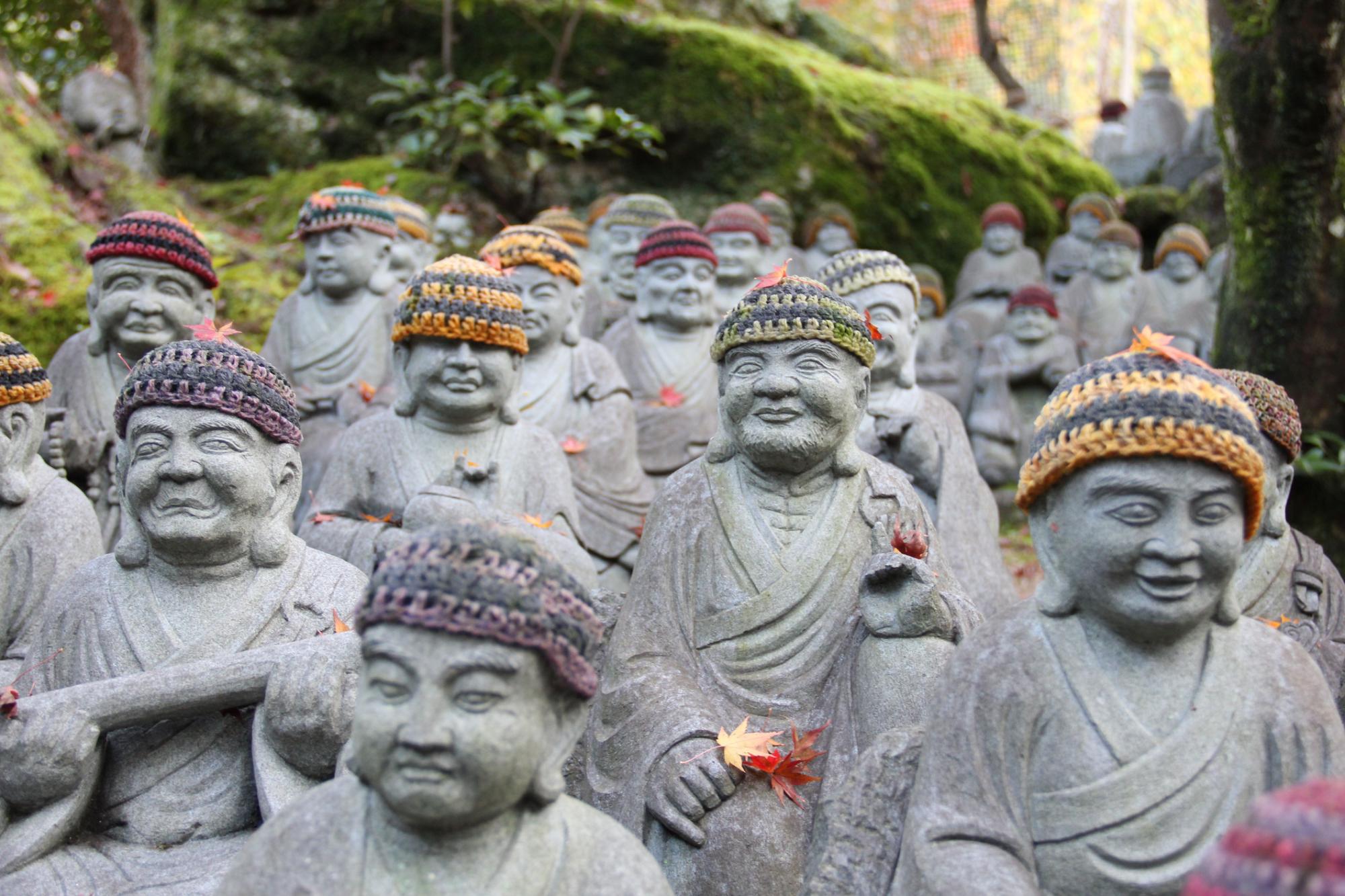
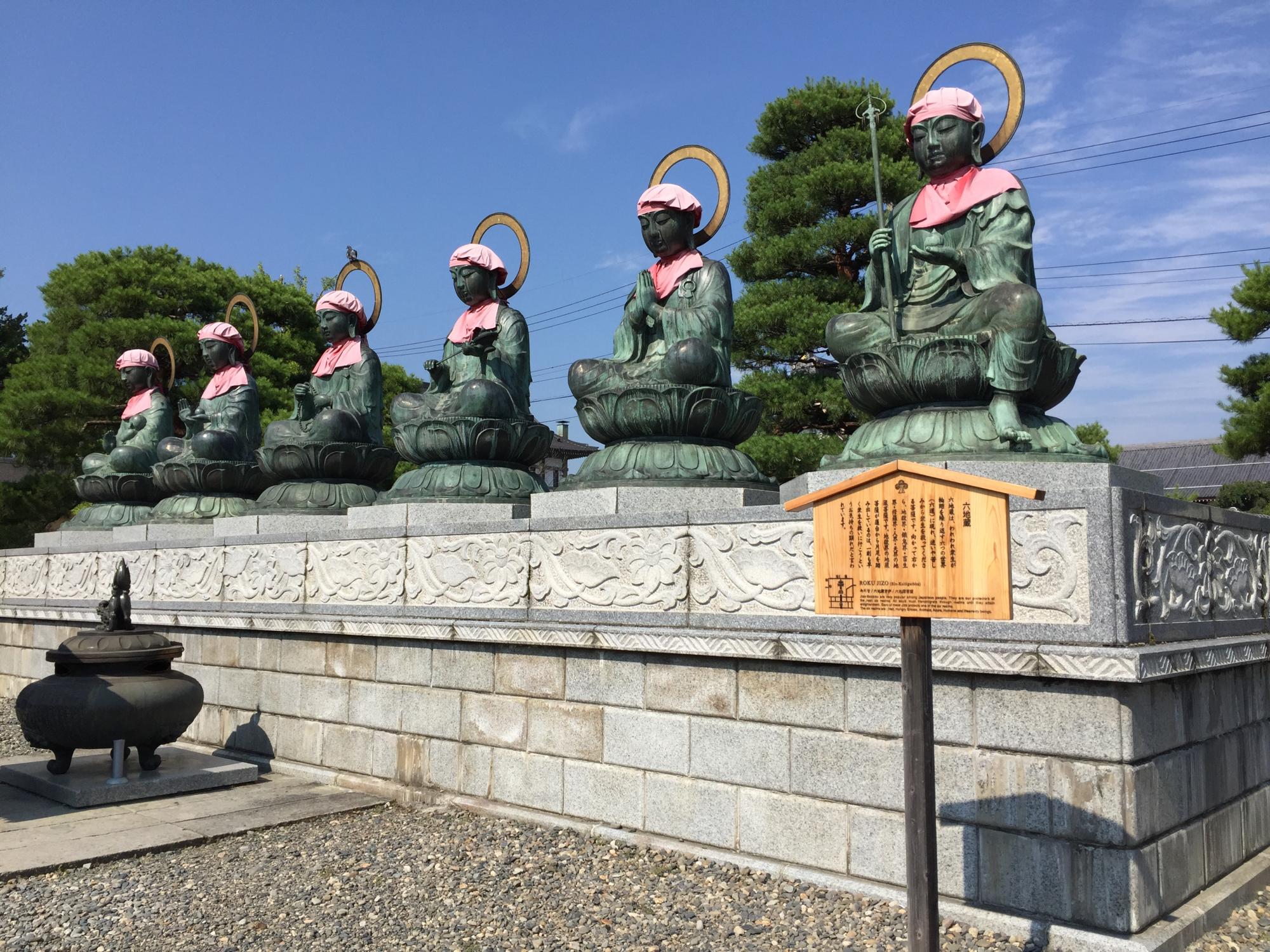
At Hasedera Temple, stroll through beautiful gardens filled with thousands of small statues dedicated to Jizo, the guardian deity traditionally associated with children and travelers. The temple is also home to one of Japan’s largest Kannon statues.
Nearby, discover the famous Great Buddha of Kamakura, one of Japan’s most iconic Buddhist monuments and a symbol of Japanese spirituality.
Your journey continues through dense bamboo and cedar forests and past rice fields into the spectacular Fuji-Hakone-Izu National Park. Depending on weather conditions, enjoy a boat excursion and admire the scenic beauty of the Hakone region.
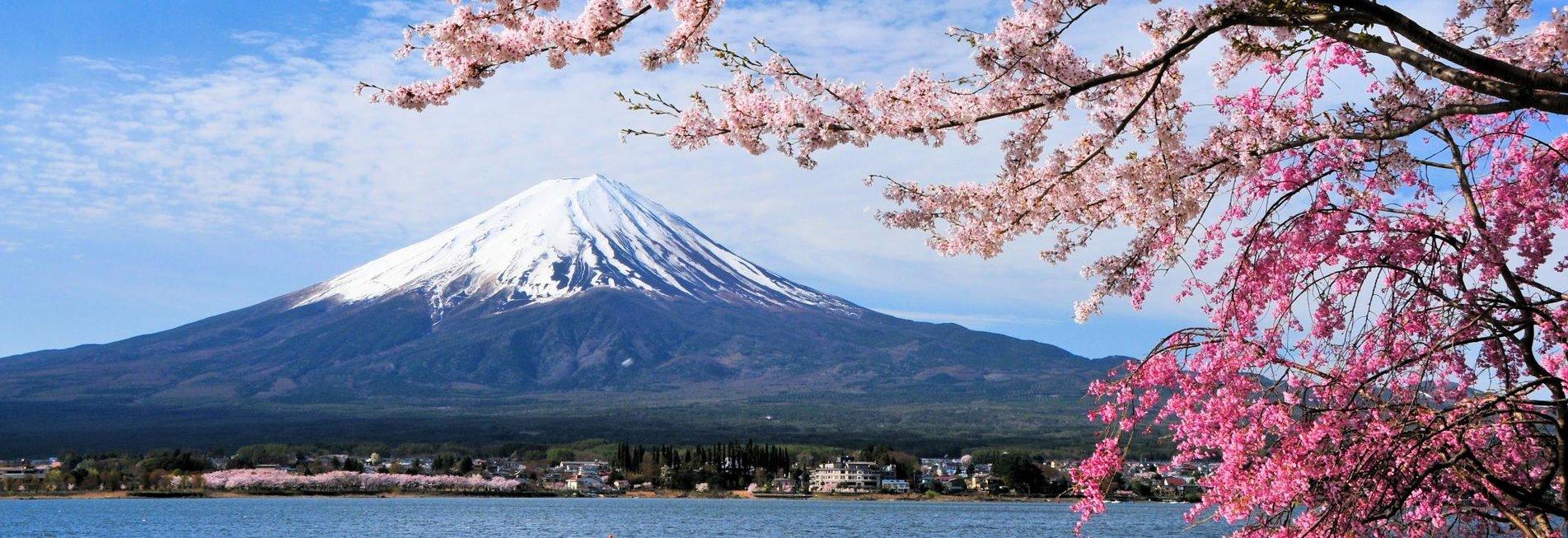
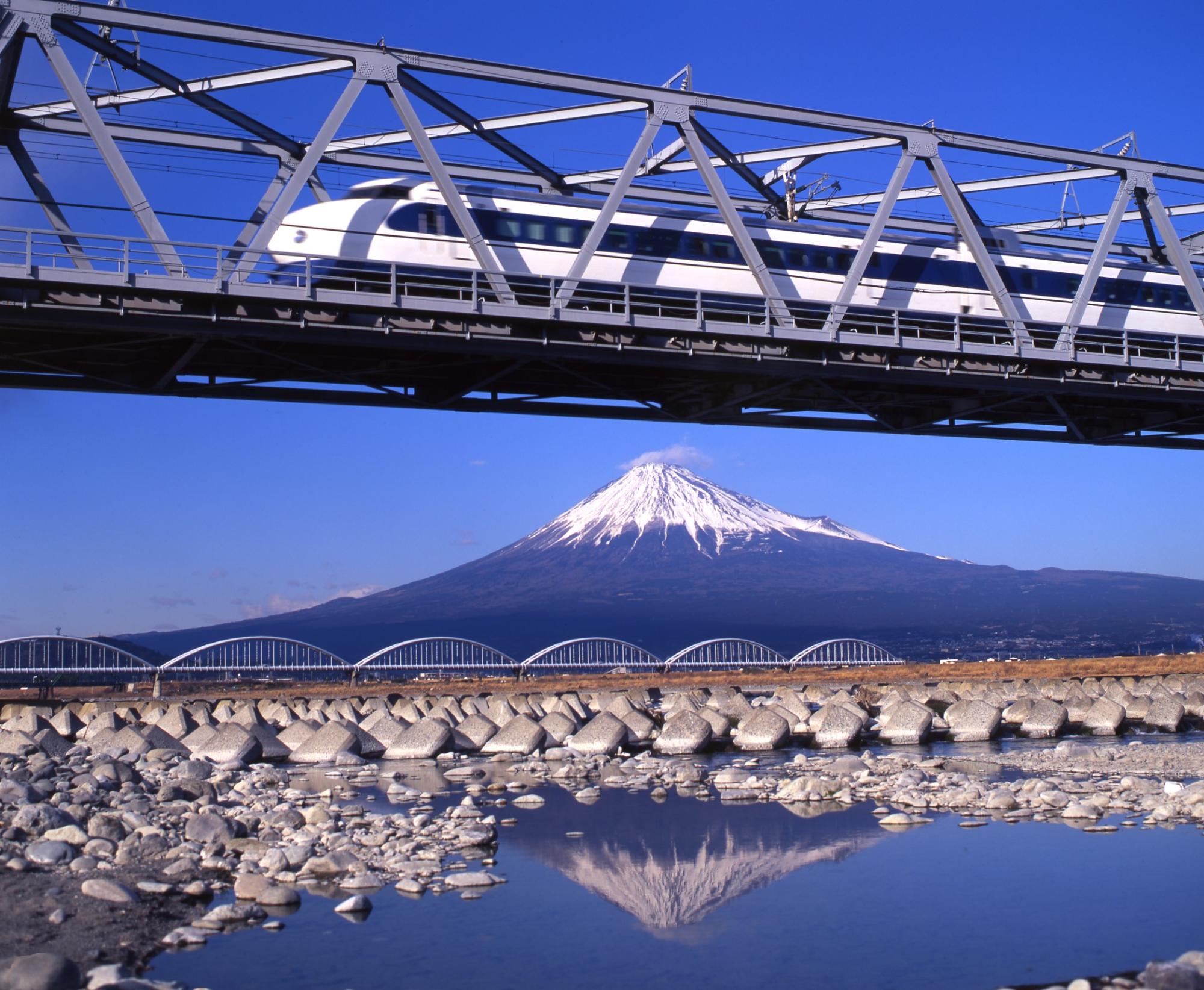
On a clear day, you may enjoy magnificent views of Mount Fuji, Japan’s sacred mountain. Rising to 3,776 meters, the perfectly shaped volcanic peak has long been revered as a sacred site and celebrated as a source of artistic inspiration. It is part of the UNESCO World Heritage listing associated with Mount Fuji.
Tonight, stay at a hotel with its own onsen, a traditional Japanese hot spring bath – a perfect opportunity to experience an important part of Japanese culture.
Accommodation:
Hotel Regina Kawaguchiko
(or similar)
Meals: Breakfast
Enjoy a scenic morning journey through the beautiful Japanese countryside to Matsumoto, where you will visit one of Japan’s best-preserved historic castles.
Matsumoto Castle, also known as the “Crow Castle” because of its distinctive black exterior, was originally constructed in the 16th century. Its impressive wooden architecture and dramatic setting make it one of Japan’s most memorable castles.
In the afternoon, continue to Nagano, famous as the host city of the 1998 Winter Olympics. Here, visit Zenkoji Temple, one of Japan’s most important Buddhist pilgrimage sites and a major cultural landmark.
Overnight in Nagano.
Accommodation:
Hotel Metropolitan Nagano
(or similar)
Meals: Breakfast
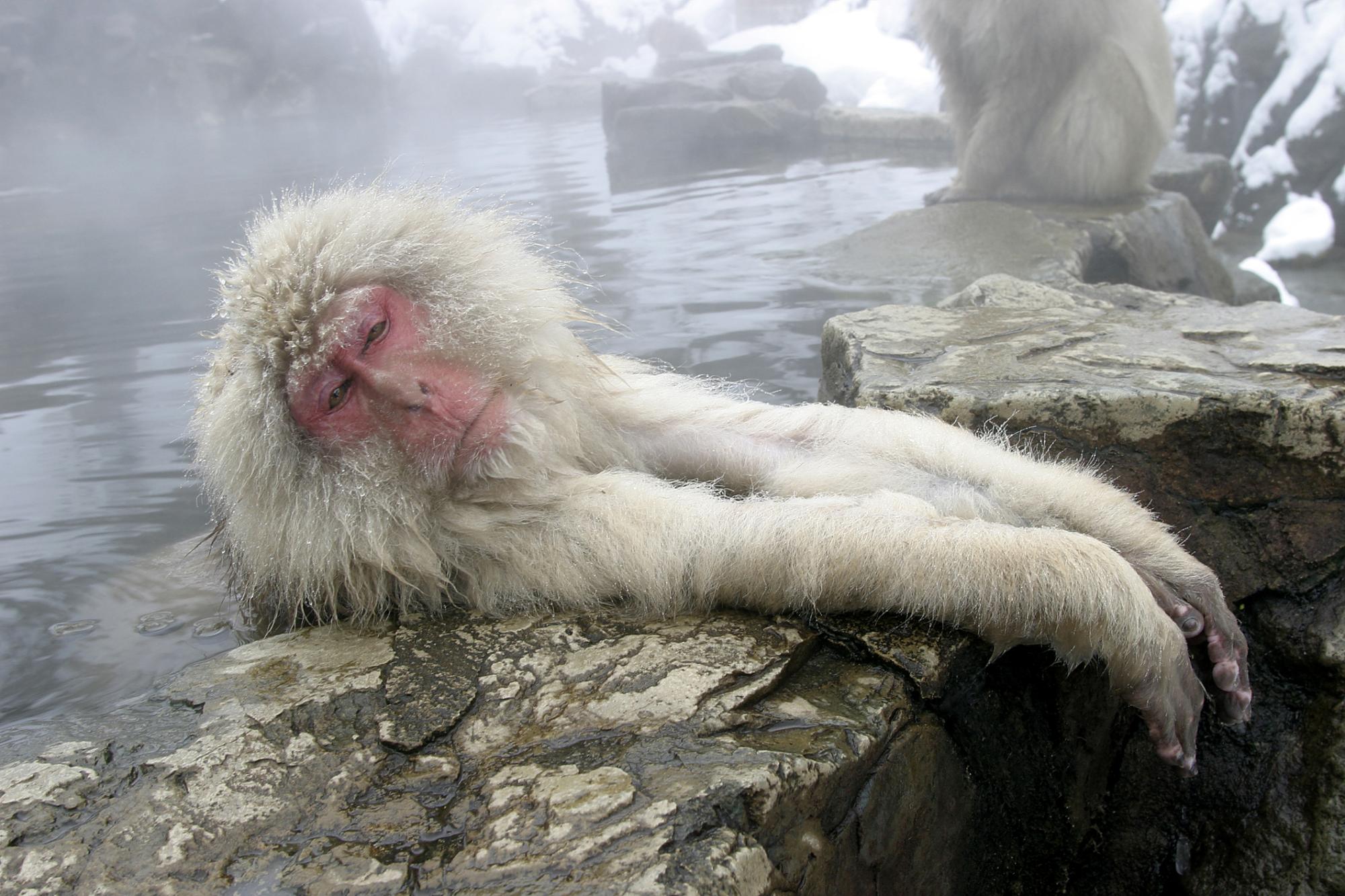
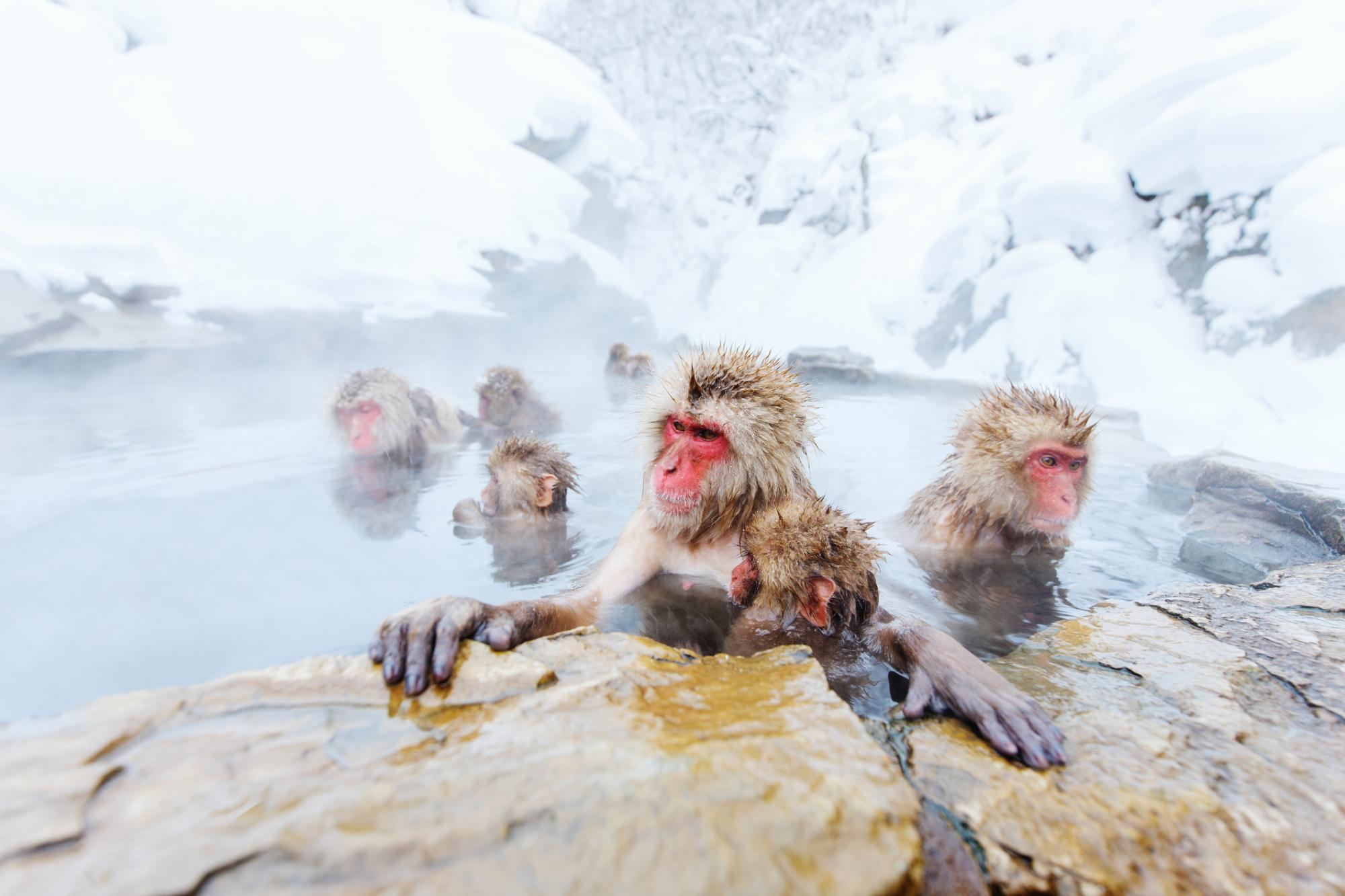
In the morning, travel by coach to the Jigokudani Monkey Park near the hot springs of Yamanouchi in Nagano Prefecture. With a little luck, you can observe the famous Japanese snow monkeys relaxing and bathing in the natural hot springs – one of Japan’s most memorable wildlife experiences and a favorite photography opportunity.
In the late afternoon, continue to the charming mountain town of Takayama, situated at the foot of the Japanese Alps.
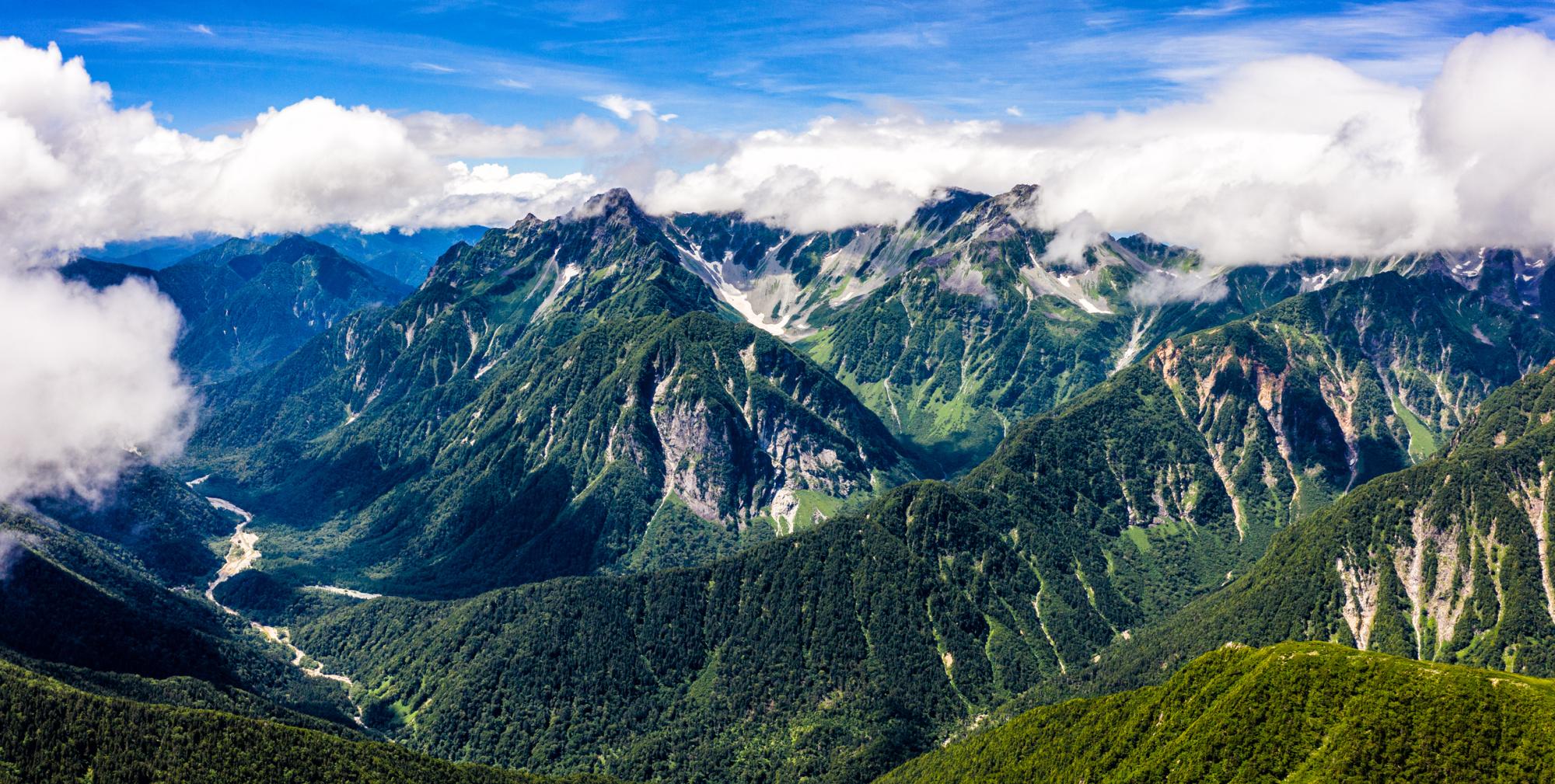
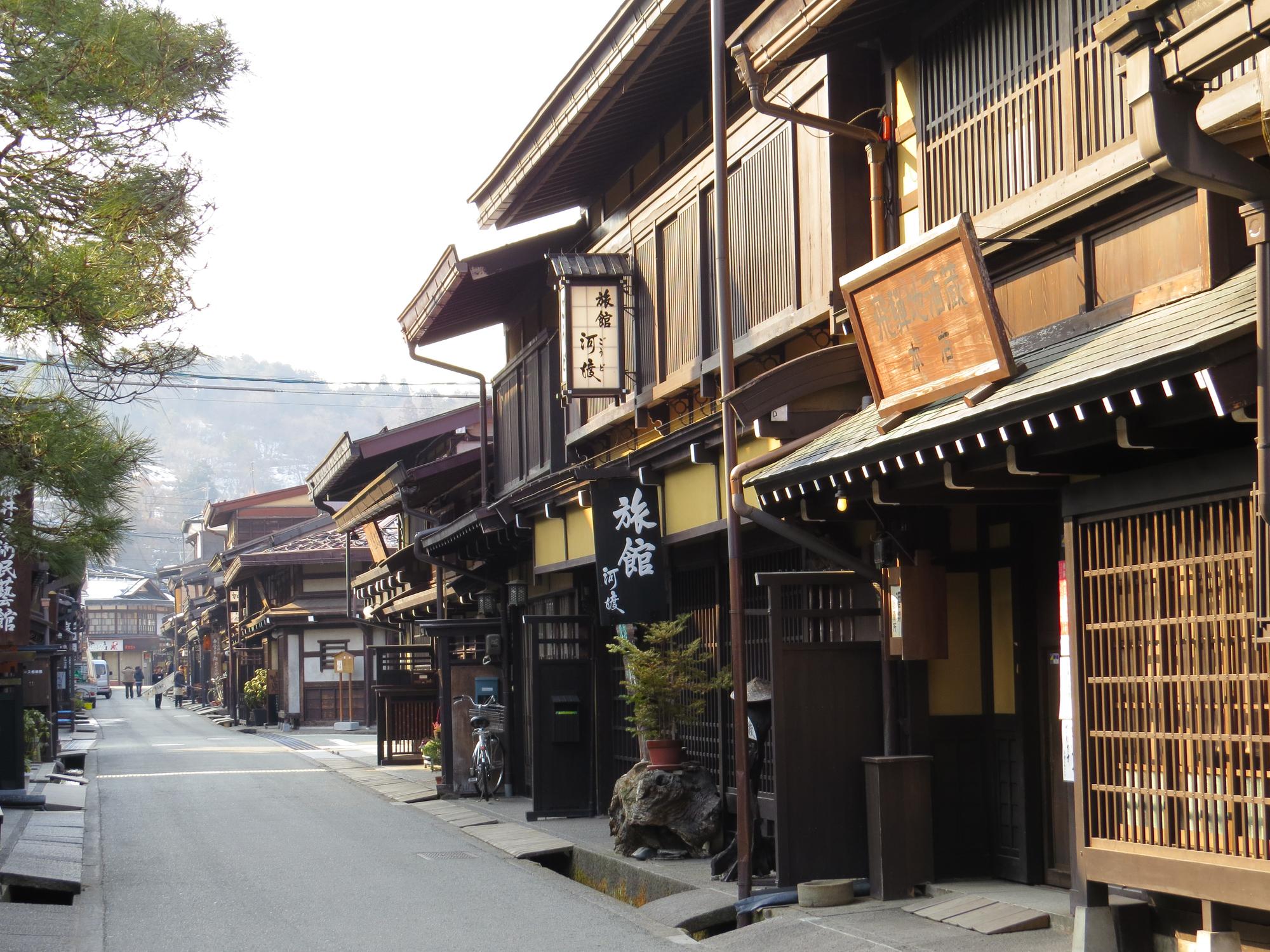
Weather permitting, enjoy spectacular views of the surrounding mountain range, with peaks rising more than 3,000 meters above sea level. Takayama is renowned for its beautifully preserved historic streets and traditional atmosphere.
Accommodation:
Tokyu Stay Hida Takayama Musubi no Yu
(or similar)
Meals: Breakfast
Takayama has preserved much of the charm and character of traditional life in rural Japan. Your walking tour of this picturesque mountain town begins at the morning market, where local farmers and producers offer a variety of regional products.
A visit to the Takayama Jinya, the former provincial government office, provides fascinating insights into everyday life and society during the era of the Tokugawa shogunate.
Continue with a leisurely stroll through the atmospheric streets of Takayama’s historic old town, lined with traditional houses, sake breweries and miso shops.
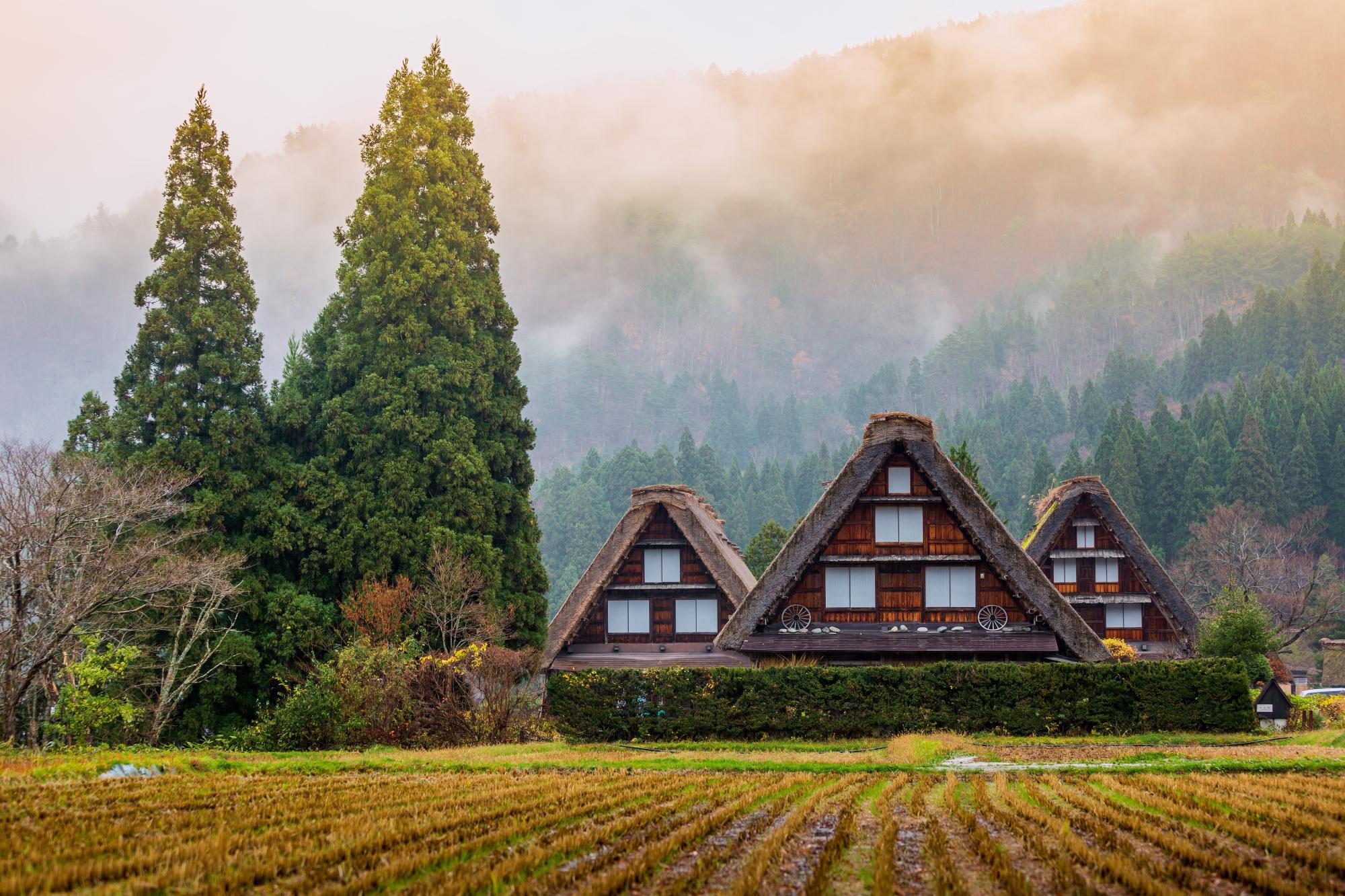
In the afternoon, travel by coach to Shirakawa-go, a picturesque mountain village famous for its traditional farmhouses with steeply pitched thatched roofs. Built in a distinctive historic architectural style, the village has been designated a UNESCO World Heritage Site.
Few places offer such an authentic and impressive glimpse into the traditional rural life of Japan. Enjoy a leisurely walk through the village and experience its unique atmosphere.
Return to Takayama in the early evening for another overnight stay.
Accommodation:
Tokyu Stay Hida Takayama Musubi no Yu
(or similar)
Meals: Breakfast
In the morning, a several-hour coach journey via Nagoya takes you to the Pacific coast and the historic city of Ise.
Here, visit the revered Naiku Shrine, the inner sanctuary of Ise Jingu. Surrounded by numerous traditional auxiliary buildings and peaceful forest, the shrine is regarded as the most sacred Shinto shrine in Japan and is dedicated to Amaterasu Omikami, the Japanese sun goddess and one of the most important deities of Shinto.
In the afternoon, continue to Kyoto, Japan’s former imperial capital. In the evening, there is time for your first independent exploration of this fascinating historic city and the opportunity to discover some of its renowned culinary specialties.
Accommodation:
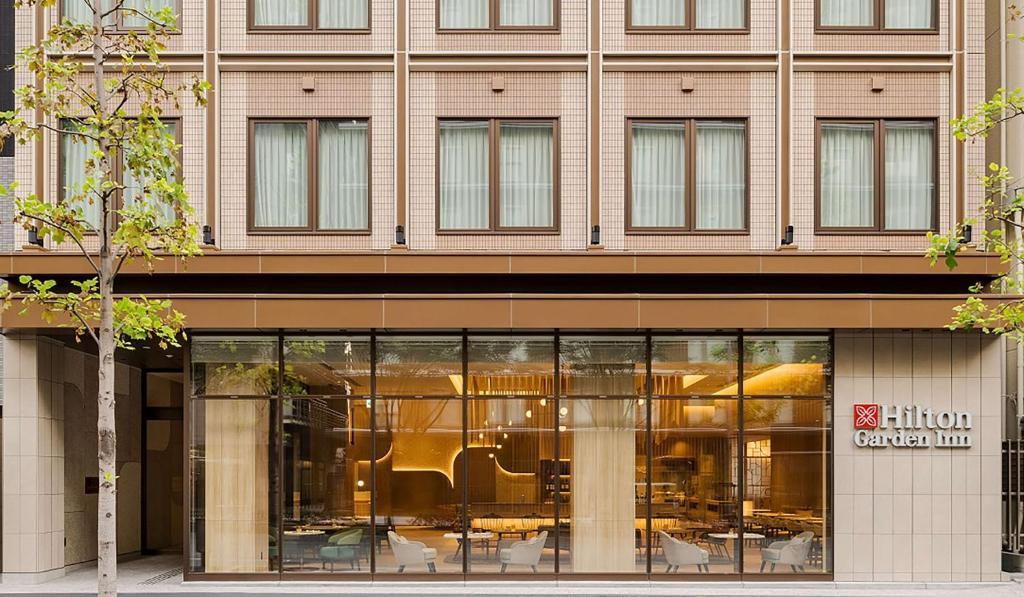
Hilton Garden Inn Kyoto Shijo Karasuma
(or similar)
Meals: Breakfast
The former imperial capital of Japan is one of the highlights of your journey. With its extraordinary wealth of cultural treasures, Kyoto offers an unparalleled insight into Japan’s history and traditions. Its historic monuments are part of a UNESCO World Heritage Site, and today you will discover some of the city’s most beautiful temples, Zen gardens and Shinto shrines.
Highlights include Ryoan-ji Temple, famous for its minimalist Zen rock garden, the magnificent Golden Pavilion (Kinkaku-ji) and Nijo Castle, the former residence of the Tokugawa shoguns. A visit to the castle offers a fascinating glimpse into the world of the Japanese ruling elite several centuries ago.
In the afternoon, visit the popular Fushimi Inari Shrine, one of Kyoto’s most recognizable landmarks. Its seemingly endless rows of brilliant vermilion torii gates create an unforgettable walking experience through the wooded hills.
To round off the day, explore the lively streets of Shijo and Kawaramachi, popular for shopping, restaurants and entertainment. At Nishiki Market, Kyoto’s famous traditional food market, discover the remarkable variety of Japanese cuisine.
Be adventurous and sample some of the local culinary specialties.
Accommodation:
Hilton Garden Inn Kyoto Shijo Karasuma
(or similar)
Meals: Breakfast
Today, you can continue exploring Kyoto independently or join your tour guide on an optional excursion to Uji and Nara.
Located around 18 km south of Kyoto, Uji is famous for its high-quality tea production and rich cultural heritage. The magnificent Byodo-in Temple, with its iconic Phoenix Hall and famous statue of Amida Buddha, together with its beautiful Paradise Garden, represents a unique masterpiece of Japanese Buddhist architecture and is part of the UNESCO World Heritage Site of Historic Monuments of Ancient Kyoto.
Continue to Nara, often described as the cradle of Japanese culture. The city is home to numerous historic treasures and UNESCO World Heritage Sites.
One of its greatest attractions is the Great Buddha (Daibutsu), one of the world’s largest bronze Buddha statues. It is housed in Todaiji Temple, whose Great Buddha Hall is one of the largest wooden buildings in the world.
During a walk through Nara Park, you can encounter the city’s famous tame deer roaming freely among the visitors. At Kofukuji Temple, admire the impressive five-story pagoda, rising approximately 42 meters, as well as the reconstructed Golden Hall.
Return to Kyoto in the late afternoon.
Accommodation:
Hilton Garden Inn Kyoto Shijo Karasuma
(or similar)
Meals: Breakfast
In the morning, leave Kyoto by coach and travel towards Hiroshima.
A stop in Himeji offers the opportunity to visit the magnificent Himeji Castle, known as the “White Heron Castle” because of its elegant white appearance. A UNESCO World Heritage Site, it is considered Japan’s largest and one of its most beautiful and best-preserved castles.
The castle reached its present form in the 17th century and has regained its full splendor following extensive restoration work.
Continue to Hiroshima, located in western Honshu on the shores of the Seto Inland Sea, arriving in the late afternoon.
Important luggage information:
For tonight’s overnight stay, please bring only a small overnight bag. Your main luggage will be forwarded to Osaka by courier service and will be waiting for you at your hotel in Osaka after your arrival on Day 13.
Accommodation:
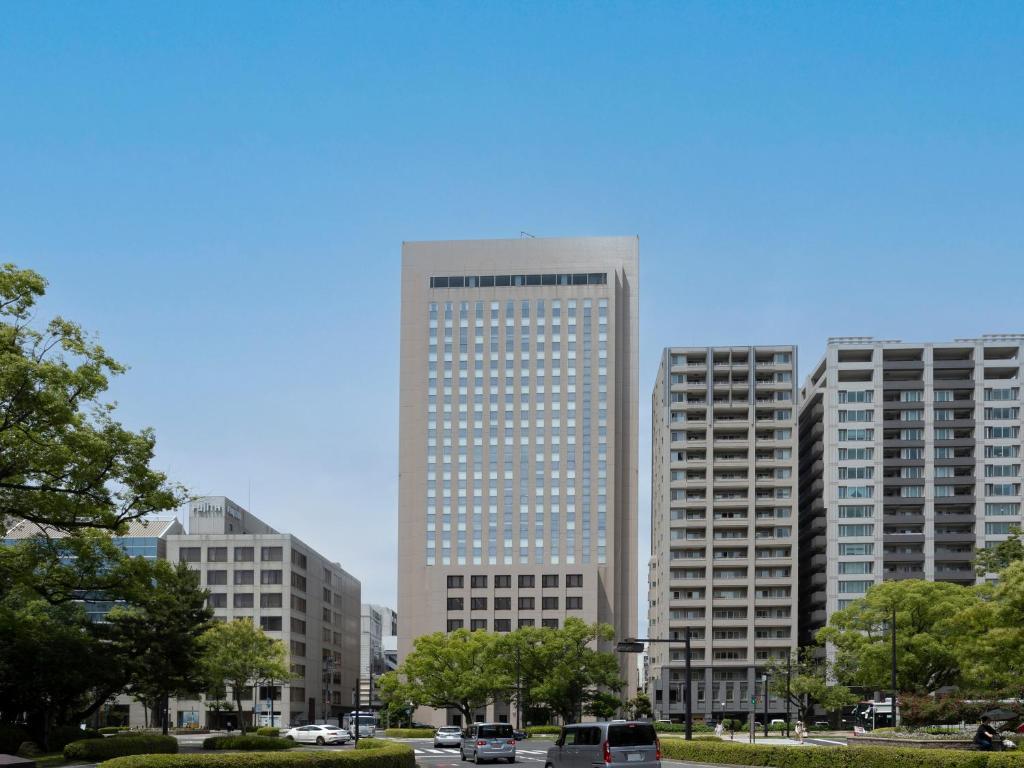
Mitsui Garden Hotel Hiroshima
or
Candeo Hotels Hiroshima Hatchobori
Meals: Breakfast
In Hiroshima, the final full day of your journey confronts you with some of Japan’s most important modern history.
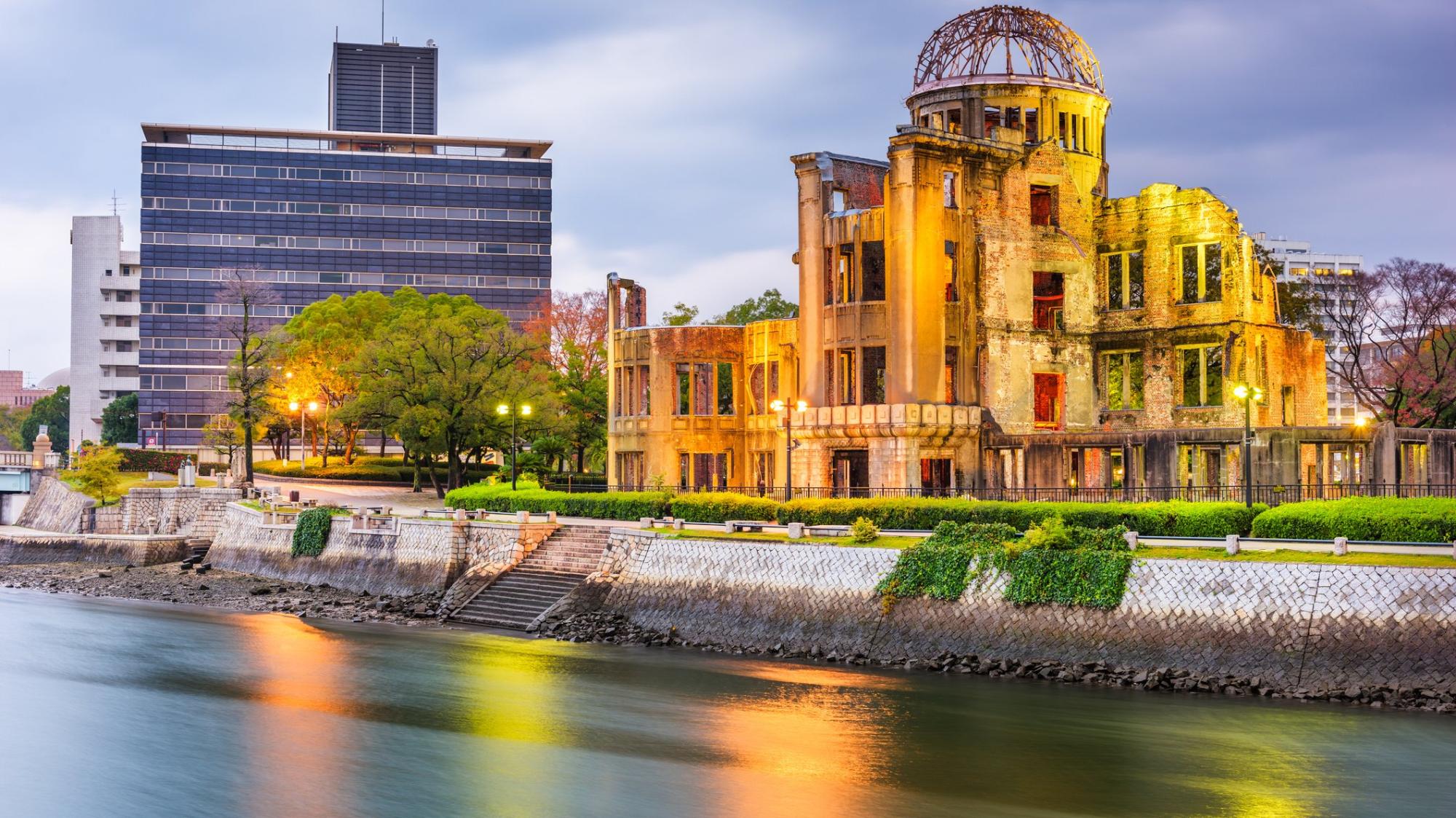
The day begins with a visit to the Hiroshima Peace Memorial sites and a walk through the impressive Peace Memorial Park to the Atomic Bomb Dome, a UNESCO World Heritage Site. The Peace Memorial Museum provides a deeply moving insight into the events and consequences of the atomic bombing and invites visitors to reflect in respectful silence.
Afterwards, travel by tram and ferry to the sacred island of Miyajima, located in the Seto Inland Sea. The journey takes approximately one hour.
At high tide, the famous torii gate of Itsukushima Shrine, a UNESCO World Heritage Site, appears to float on the water. It is one of Japan’s most iconic Shinto landmarks and among the country’s most photographed cultural sites.
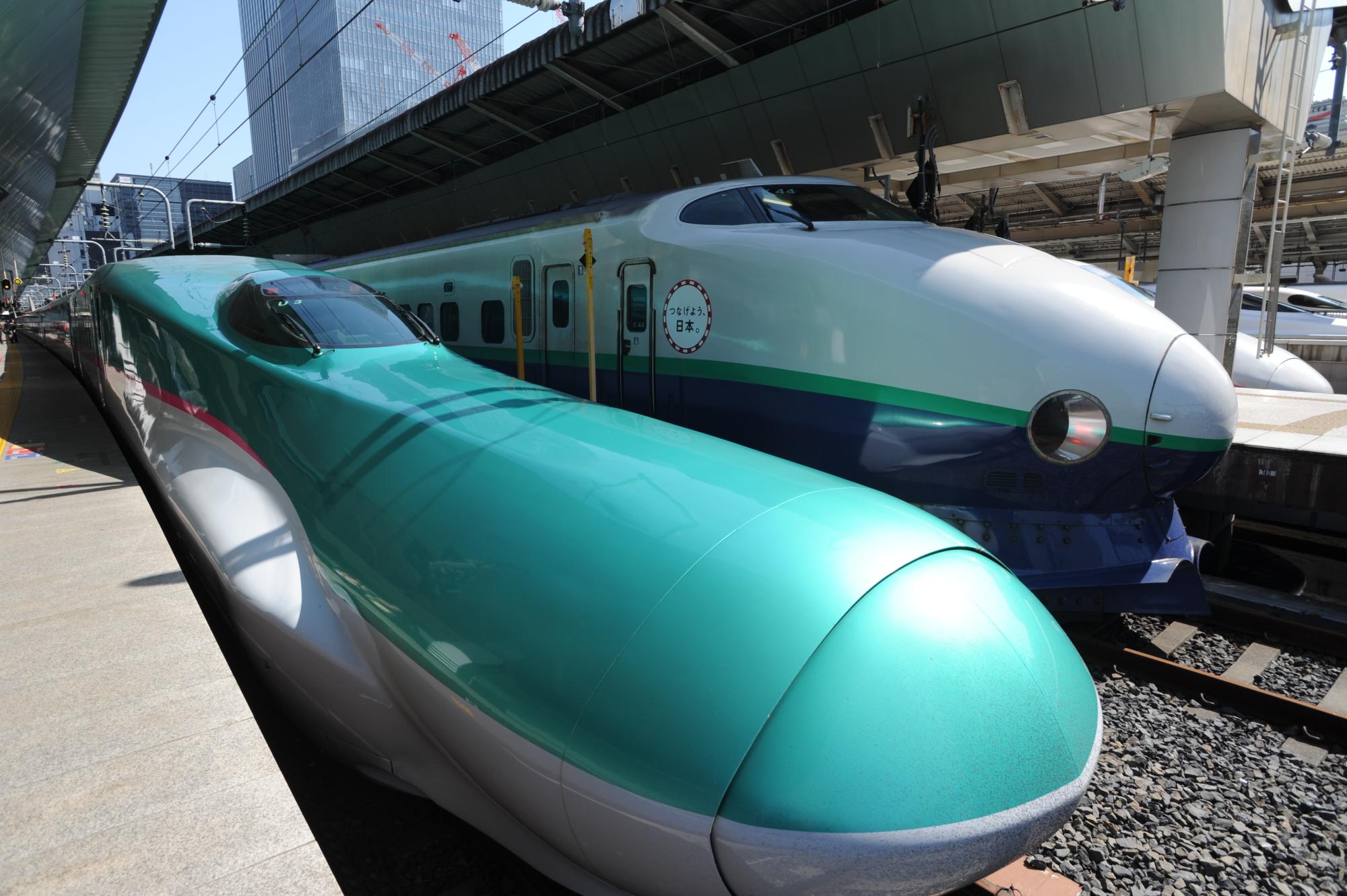
In the late afternoon, board the Shinkansen Super Express for the approximately 90-minute journey to Osaka. Experience the exceptional punctuality, cleanliness and comfort of Japan’s world-famous high-speed rail system as the scenery passes rapidly outside the window.
Overnight in Osaka.
Accommodation:
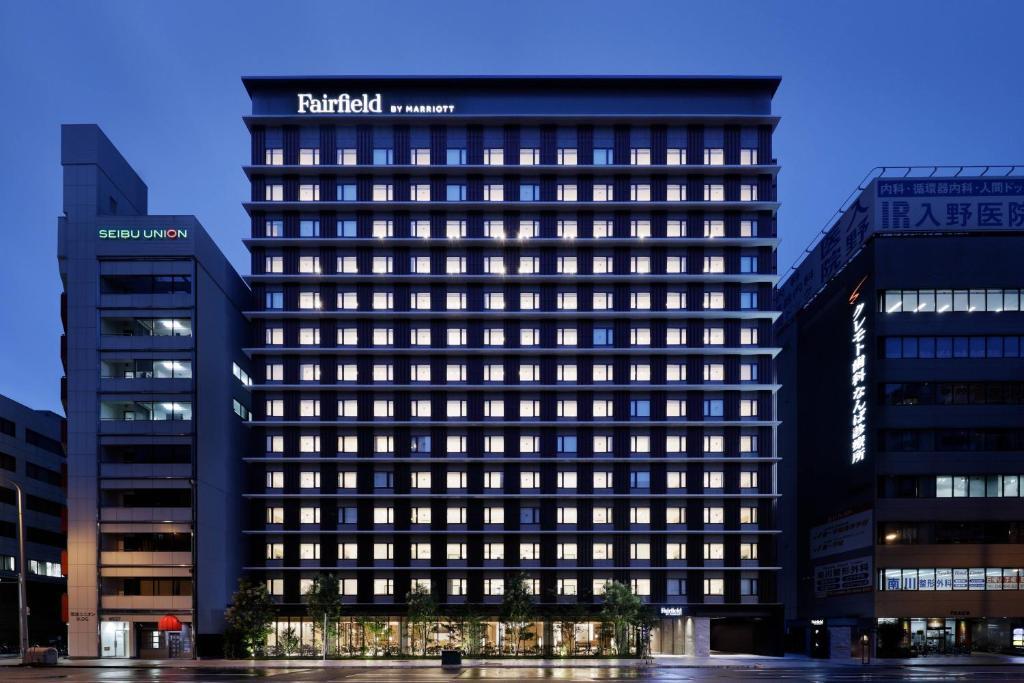
Fairfield by Marriott Osaka Namba
(or similar)
Meals: Breakfast
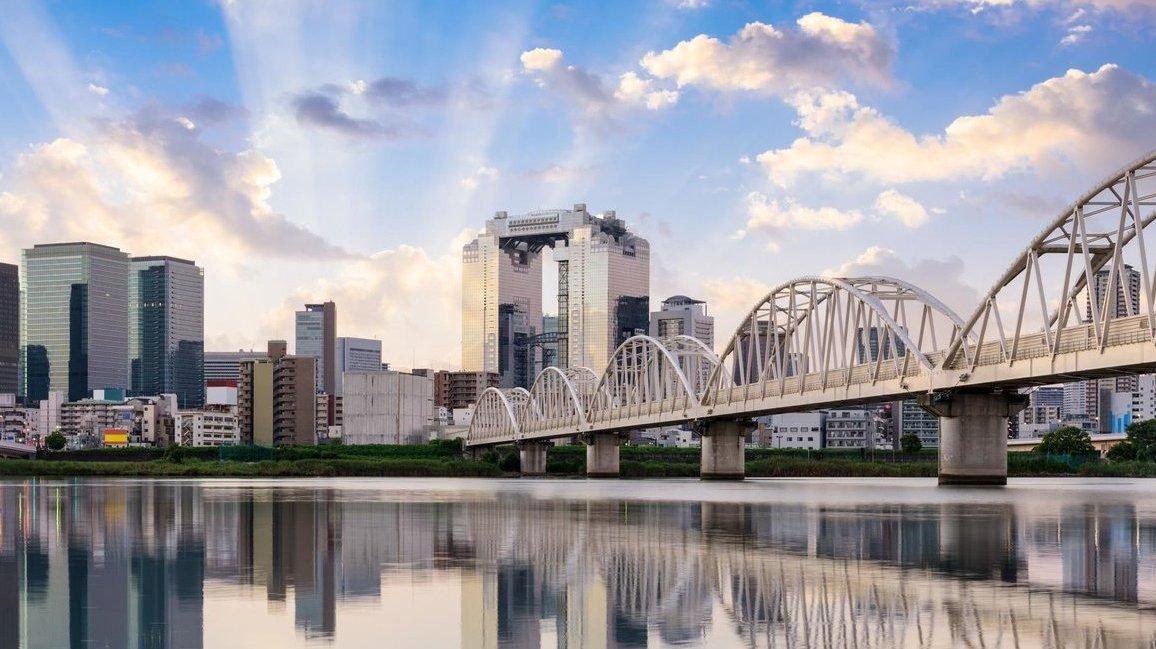
Enjoy some free time in the morning to explore the fascinating city of Osaka independently before your transfer to Kansai International Airport. Your tour guide will be happy to provide recommendations for making the most of your remaining time.
Then it is time to say Sayonara, Japan and bid farewell to the Land of the Rising Sun.
A coach transfer takes you to Kansai International Airport, located on its own island, for your return flight to Germany with a connecting flight.
Arrival in Germany and end of your Japan tour.
€270 per person
As part of this optional excursion package, you will visit Nikko on Day 4, one of the cultural highlights of your Japan journey, surrounded by the breathtaking scenery of Nikko National Park. Here, discover the magnificent Toshogu Shrine, dedicated to the first Tokugawa shogun and regarded as a masterpiece of 17th-century Japanese architecture and woodcarving. You will also visit the impressive Rinnoji Temple, home to enormous wooden Buddhist statues that create an atmosphere of contemplation and reverence.
On Day 11, join your tour guide on an excursion to Uji, a city renowned for its tea production and cultural heritage. One of its most important attractions is Byodo-in Temple, with its legendary Phoenix Hall and Amida Buddha statue. Together with its Paradise Garden, the temple forms part of a UNESCO World Heritage Site.
The journey then continues to Nara, the historic cradle of Japanese culture. Here, admire the Great Buddha (Daibutsu), one of the world’s largest bronze Buddha statues, housed in Todaiji Temple, whose Great Buddha Hall is one of the largest wooden buildings in the world.
In Nara Park, you can observe the city’s famous tame deer roaming freely. At Kofukuji Temple, admire the impressive 42-meter-high five-story pagoda.
Return to Kyoto in the late afternoon.
Hier ist die englische Fassung im gleichen hochwertigen Stil:
€180 per person
Enjoy an authentic introduction to traditional Kyoto culture. In a classic Japanese restaurant, savor a delicious shabu-shabu hot pot, a Japanese specialty featuring tender meat, fresh vegetables, tofu and wheat noodles.
The highlight of the evening is a charming performance by a young Kyoto maiko, an apprentice geisha. Meeting a genuine geiko, as geisha are known in Kyoto, is a rare and unique experience, even for local residents.
Following elegant traditional dances accompanied by the music of the shamisen, you will have the opportunity to take souvenir photographs with the maiko and experience a fascinating glimpse of old Japan in the heart of the modern country.
For departures during the peak season in March and April, the Japanese evening may take place on Day 7 or Day 9.