from 0 review
Specific Tour
20 people
English
Take your time and embark on an unforgettable journey through Japan, experiencing the Land of the Rising Sun with all your senses. From vibrant, exciting cities to peaceful traditional villages, this journey offers a unique blend of culture, nature and adventure.
Admire the cherry blossoms in Kyoto, spend a night in a traditional ryokan or take in breathtaking views of Mount Fuji. Discover Japan at your own pace and create unforgettable memories along the way.
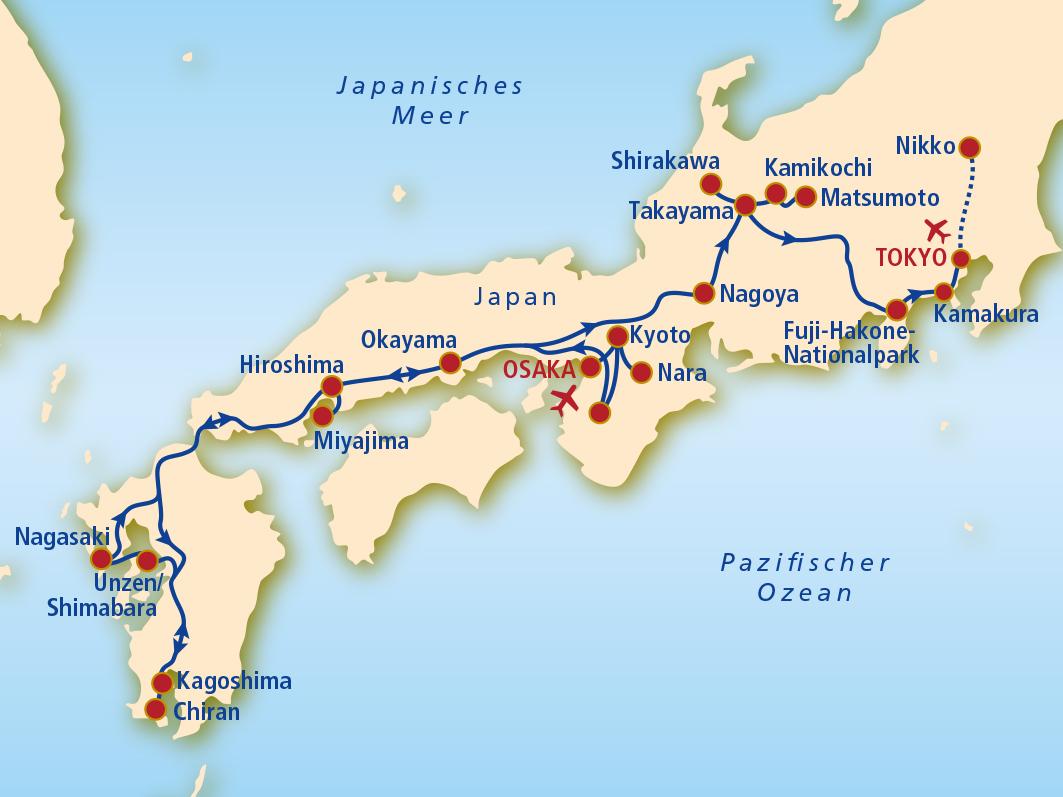
Today it is time for Yokoso – “Welcome to Japan” – as you arrive at Osaka/Kansai International Airport, located on an artificial island. Your tour guide will welcome you at the airport and accompany you by coach to your hotel in Kyoto.
After a short opportunity to freshen up, you can take your first stroll through the historic former imperial capital and begin discovering Kyoto at your own pace. Check-in at the hotel is in the afternoon.
Accommodation:
Hotel Granvia Kyoto
(or similar)
In historic and tradition-rich Kyoto, discover the fascinating heritage of old Japan and visit some of the city’s numerous UNESCO World Heritage Sites.
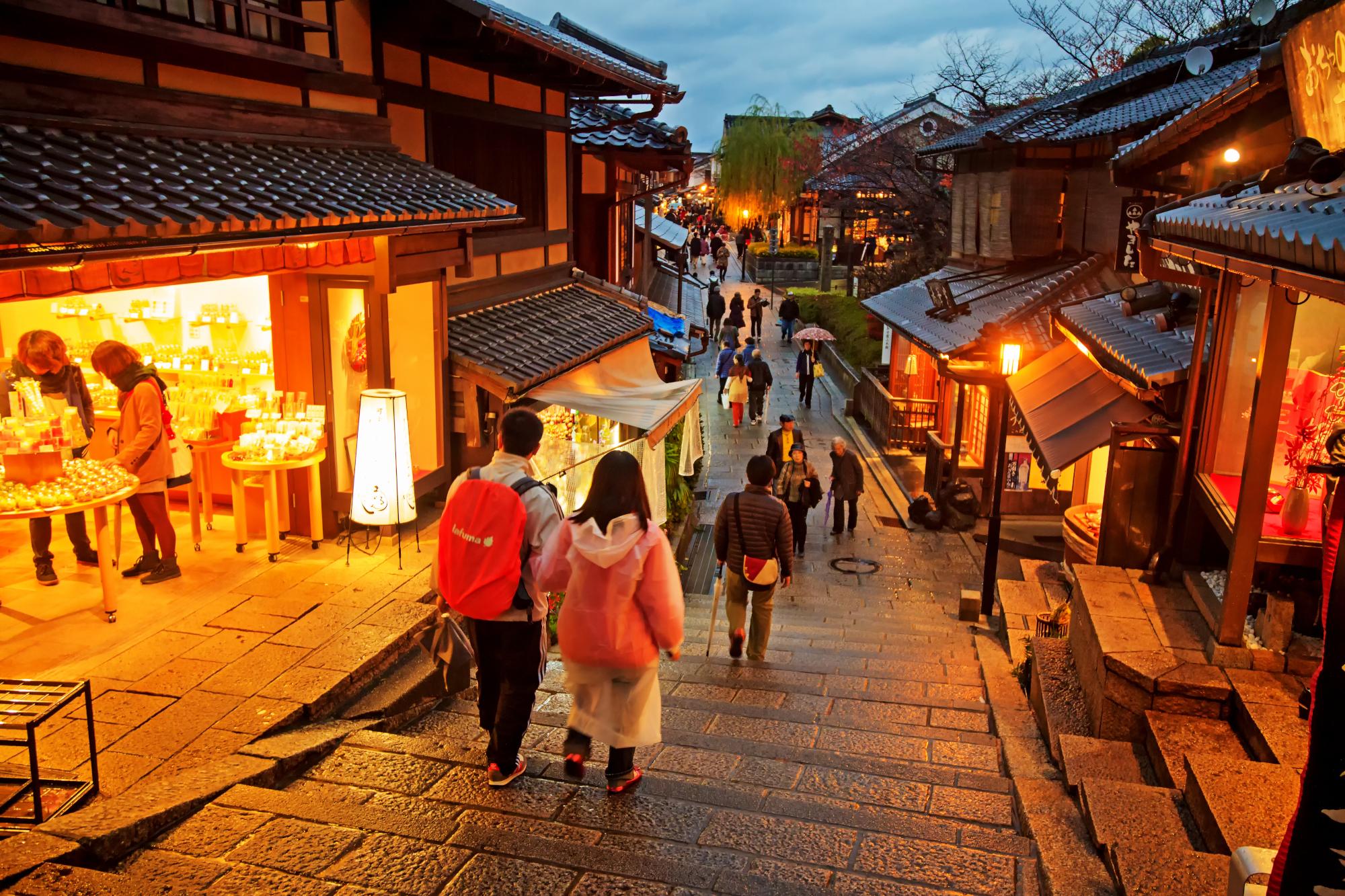
We begin early in the morning with a leisurely visit to the popular Kiyomizu-dera Temple. Its main hall, dating back to the 16th century, is built on an elevated wooden framework and offers magnificent views over Kyoto and the surrounding green hills.
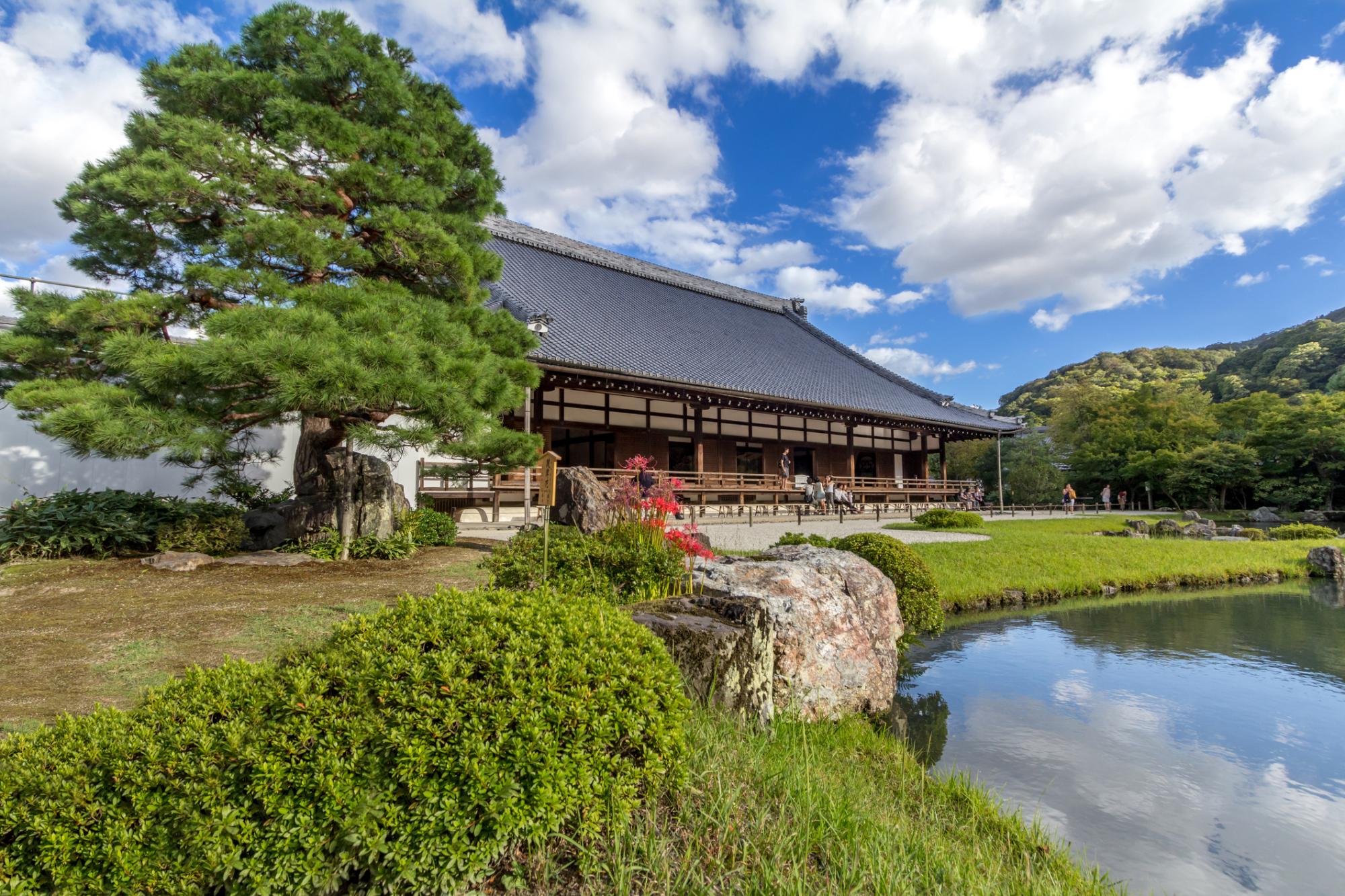
We then continue to the northern part of the city and the world-famous Arashiyama Bamboo Grove. Surrounded by towering bamboo, we explore the UNESCO World Heritage-listed Tenryu-ji Zen Temple, renowned for its extensive gardens, traditional teahouses and beautifully raked gravel areas.
Afterwards, visit Kinkaku-ji, the Golden Pavilion, one of Japan’s most iconic landmarks. The tour continues to the historic Gosho Imperial Palace or, on days when the palace is closed, Nijo Castle.
In the late afternoon, enjoy an introduction to the traditional Japanese tea ceremony. A genuine tea master will introduce you to this 450-year-old art, including Matcha tea and a traditional Japanese sweet.
After the day’s program, we recommend a stroll through the colourful Nishiki Market in the lively centre of Kyoto. It is an excellent opportunity to experience the remarkable diversity of Japanese cuisine and local food culture.
This evening, enjoy your first group dinner featuring traditional Japanese cuisine.
Accommodation:
Hotel Granvia Kyoto
(or similar)
Meals:
Breakfast, dinner
Leave Kyoto by coach, with a first stop at the famous Fushimi Inari Shrine. Its seemingly endless rows of vermilion torii gates form spectacular tunnels and invite you to take a memorable walk through one of Japan’s most iconic sights. It is no surprise that Fushimi Inari is one of the country’s most popular photography spots.
Continue to Nara, the cradle of Japanese culture. Here, visit the Great Buddha Hall of Todai-ji Temple, a UNESCO World Heritage Site. Considered the world’s largest freestanding wooden building, it houses the monumental bronze Buddha dating back to the 8th century. Its impressive size is truly breathtaking.
You will also encounter Nara’s famous Sika deer, which roam freely through the city and are remarkably tame. They often approach visitors curiously in search of something to eat, providing plenty of amusing and memorable moments.
After a short drive, visit Yakushi-ji Temple, which is more than 1,300 years old and has been extensively reconstructed. Its beautifully designed pagodas and Buddhist sculptures create an exceptionally serene and sacred atmosphere.
In the late afternoon, return to Kyoto and visit the city’s spectacular futuristic railway station.
Spring and autumn: Subject to availability, enjoy an evening visit to an artistically illuminated temple garden.
Optional: Traditional Japanese Evening – Maiko Performance & Shabu-Shabu Dinner
This evening is dedicated to the traditional culture of Kyoto. In a typical Japanese restaurant, enjoy a delicious shabu-shabu hot pot featuring tender meat, vegetables, tofu and wheat noodles.
The highlight of the evening is a charming visit by a young Kyoto Maiko. The presence of an authentic Geiko, as geishas are traditionally called in Kyoto, has become an increasingly rare and special experience even for Japanese people themselves.
Following an elegant dance performance accompanied by the traditional shamisen, the Geiko will be available for souvenir photographs. Experience first-hand how the traditions of old Japan continue to live on behind the country’s ultra-modern façade.
Important luggage information:
Tomorrow, your main luggage will be sent by courier to your hotel in Kagoshima. Please pack everything you will need for one night separately and keep it easily accessible.
Accommodation:
Hotel Granvia Kyoto
(or similar)
Meals:
Breakfast
This morning in Kyoto, visit the impressive Sanjusangendo Temple Hall, famous for its remarkable collection of 1,001 wooden statues of Kannon, the Buddhist deity of mercy and compassion.
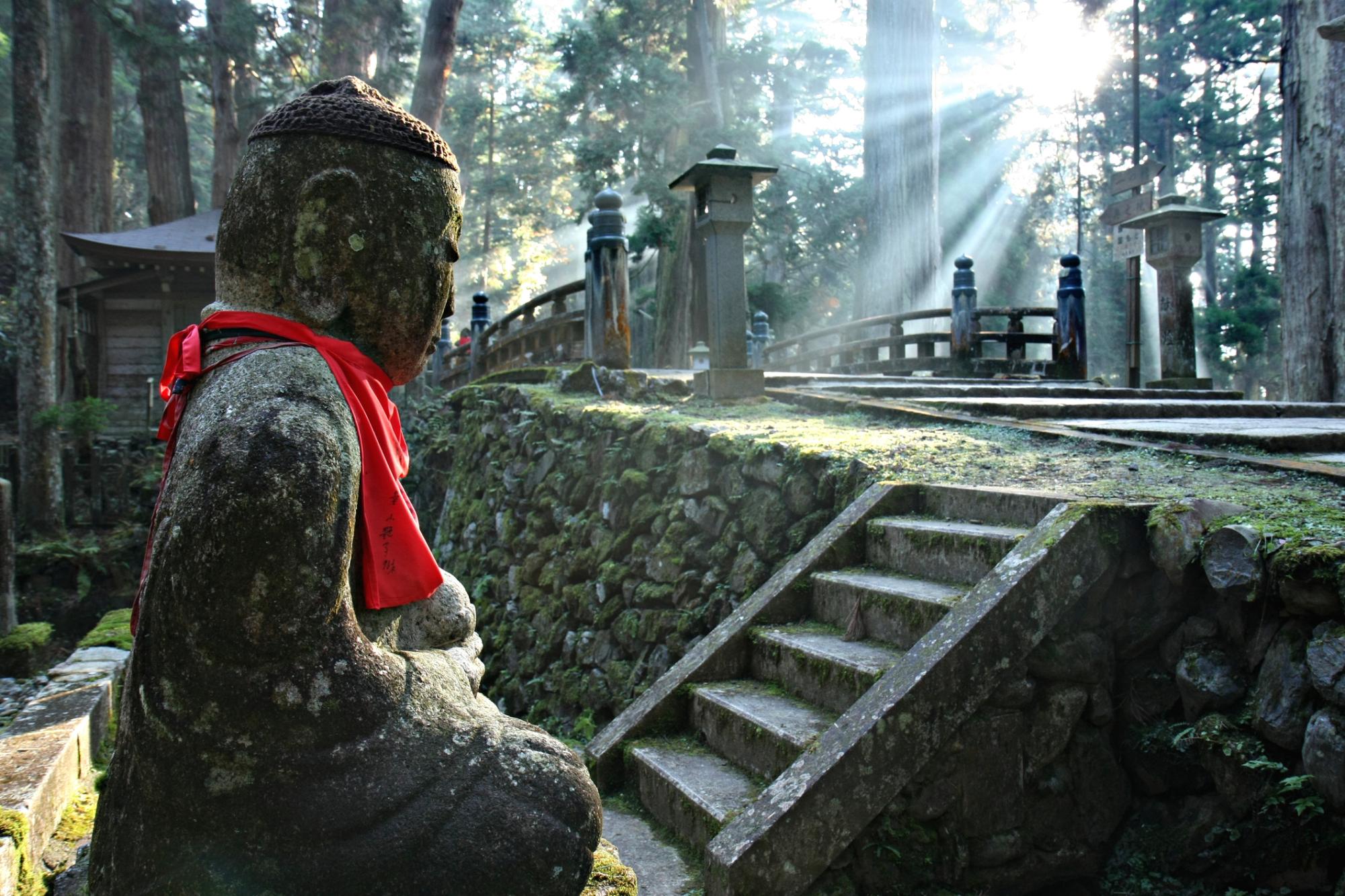
Afterwards, travel by coach to Koya-san, the sacred mountain and spiritual centre of Shingon Buddhism. Take a peaceful walk through Japan’s most famous cemetery, following ancient tombs and towering cypress trees. The unique atmosphere of this sacred site makes the experience truly unforgettable.
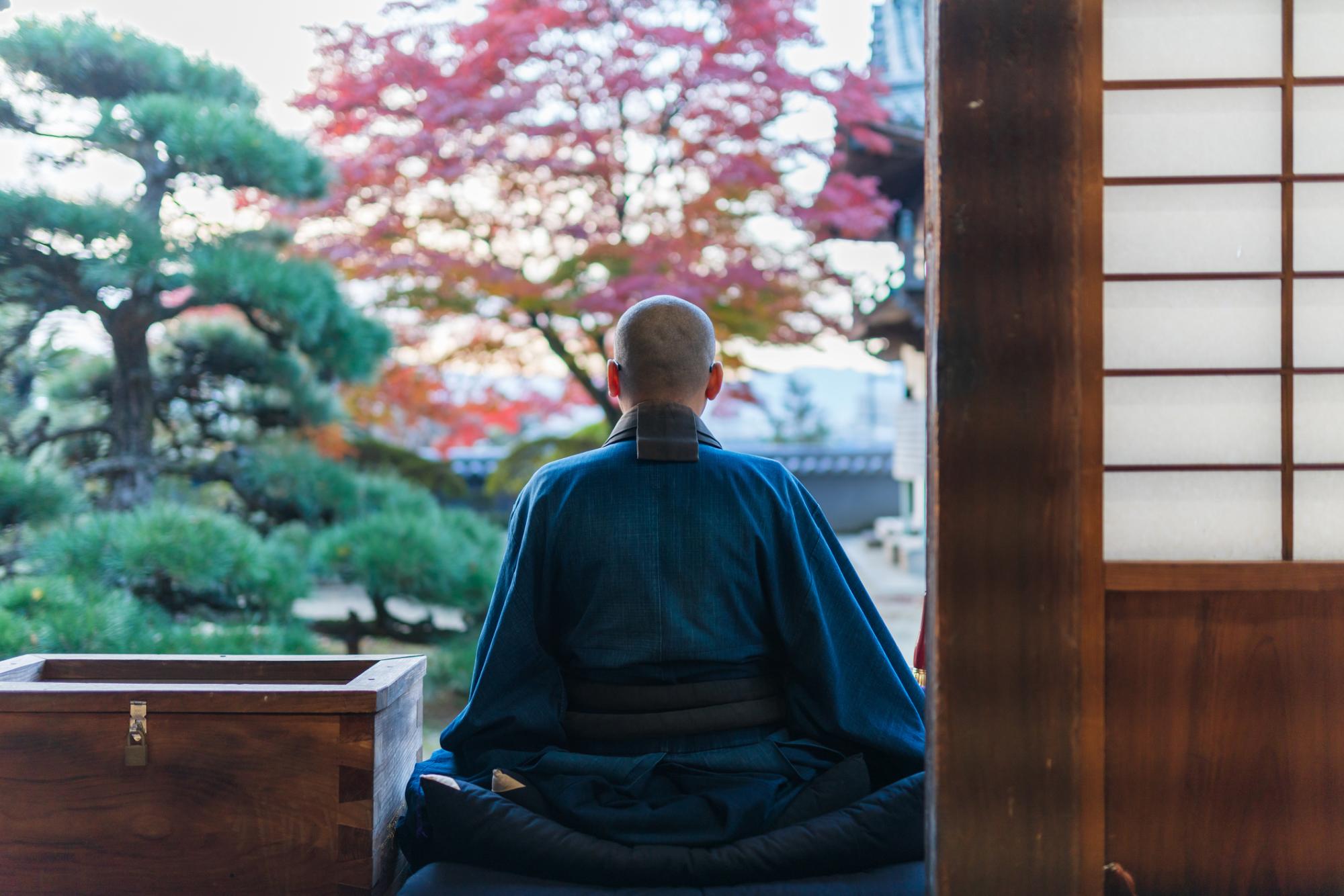
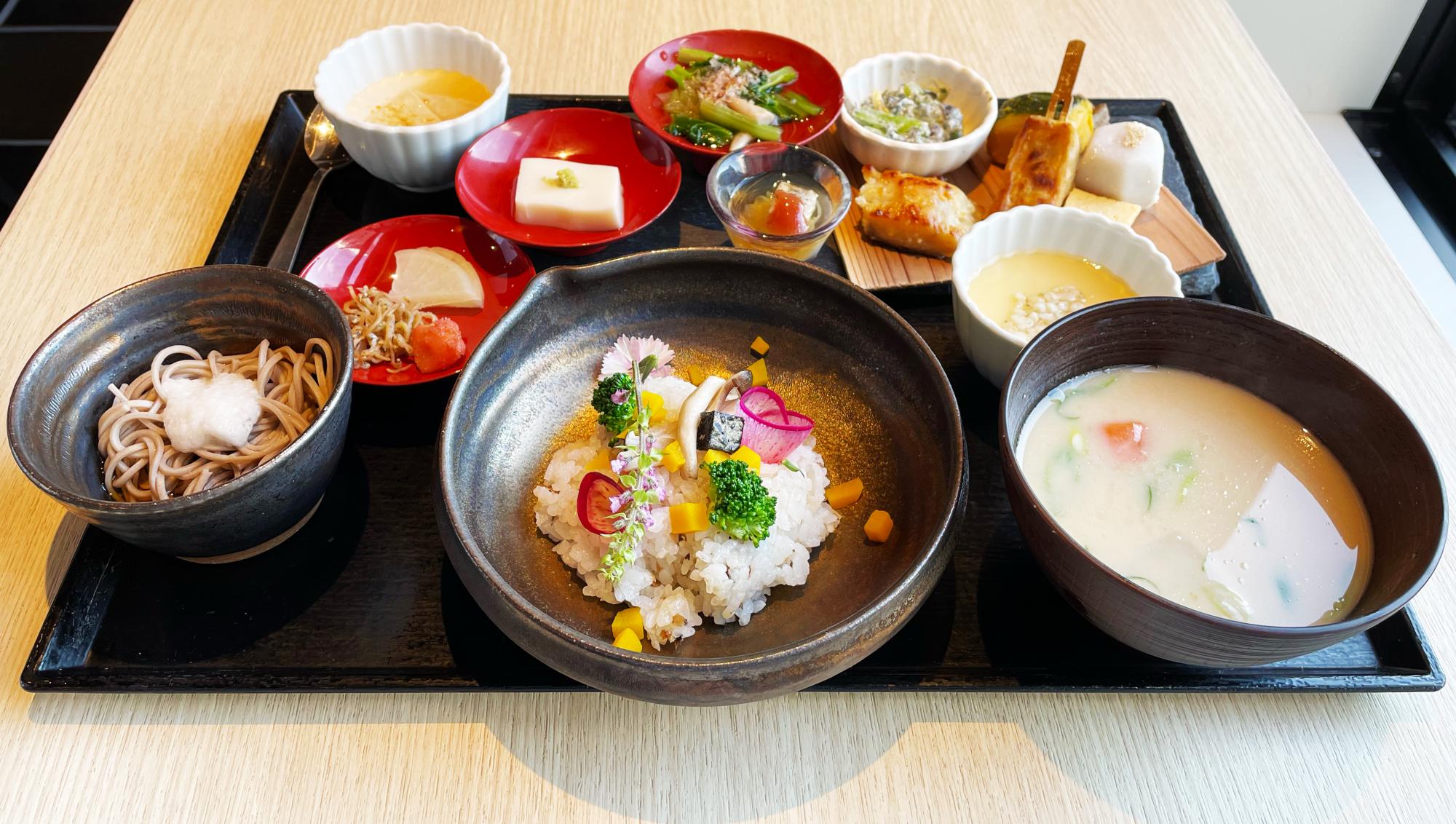
In the evening, enjoy the tranquillity of your traditional temple lodging, where you will stay overnight with the monks. Experience an authentic aspect of traditional Japanese life, including a vegetarian dinner and guest rooms furnished with tatami mats made from woven rush grass.
This special overnight stay offers a rare opportunity to experience the atmosphere and lifestyle of traditional Japanese temples and guesthouses.
Luggage information:
Today, you will only have access to light hand luggage, as your main luggage will be transported by courier from Kyoto to Kagoshima. It will be waiting for you at your hotel in Kagoshima after your arrival on Day 6.
Accommodation:
Fugen-in Temple Lodging
(or similar)
Meals:
Breakfast, dinner
Koya-san, the sacred mountain and spiritual centre of Shingon Buddhism, offers a special start to the day. Listen to the monks’ morning chants and take part in the daily Shingon ritual prayer. Like your hosts, you will enjoy a traditional vegetarian breakfast this morning.
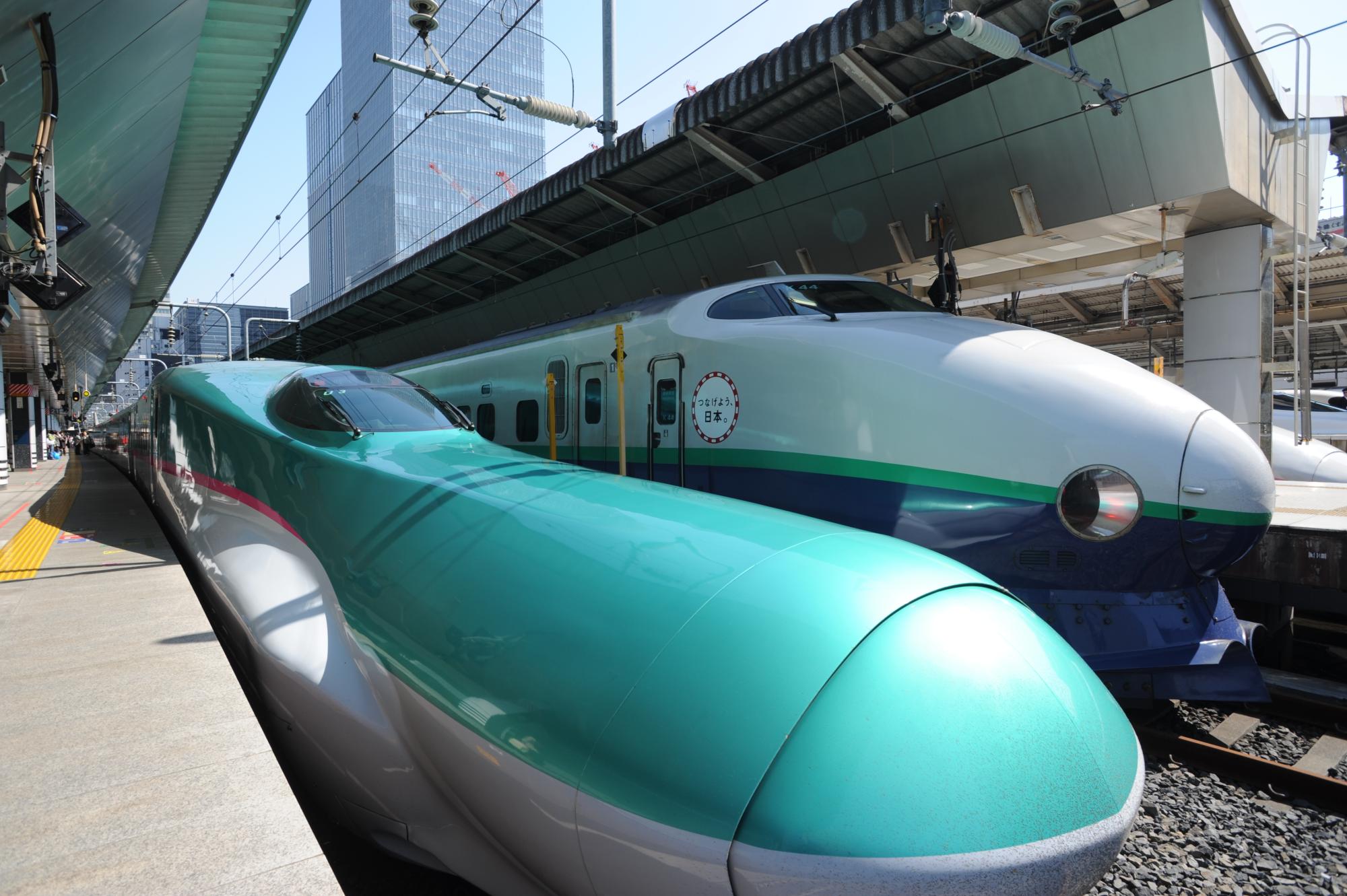
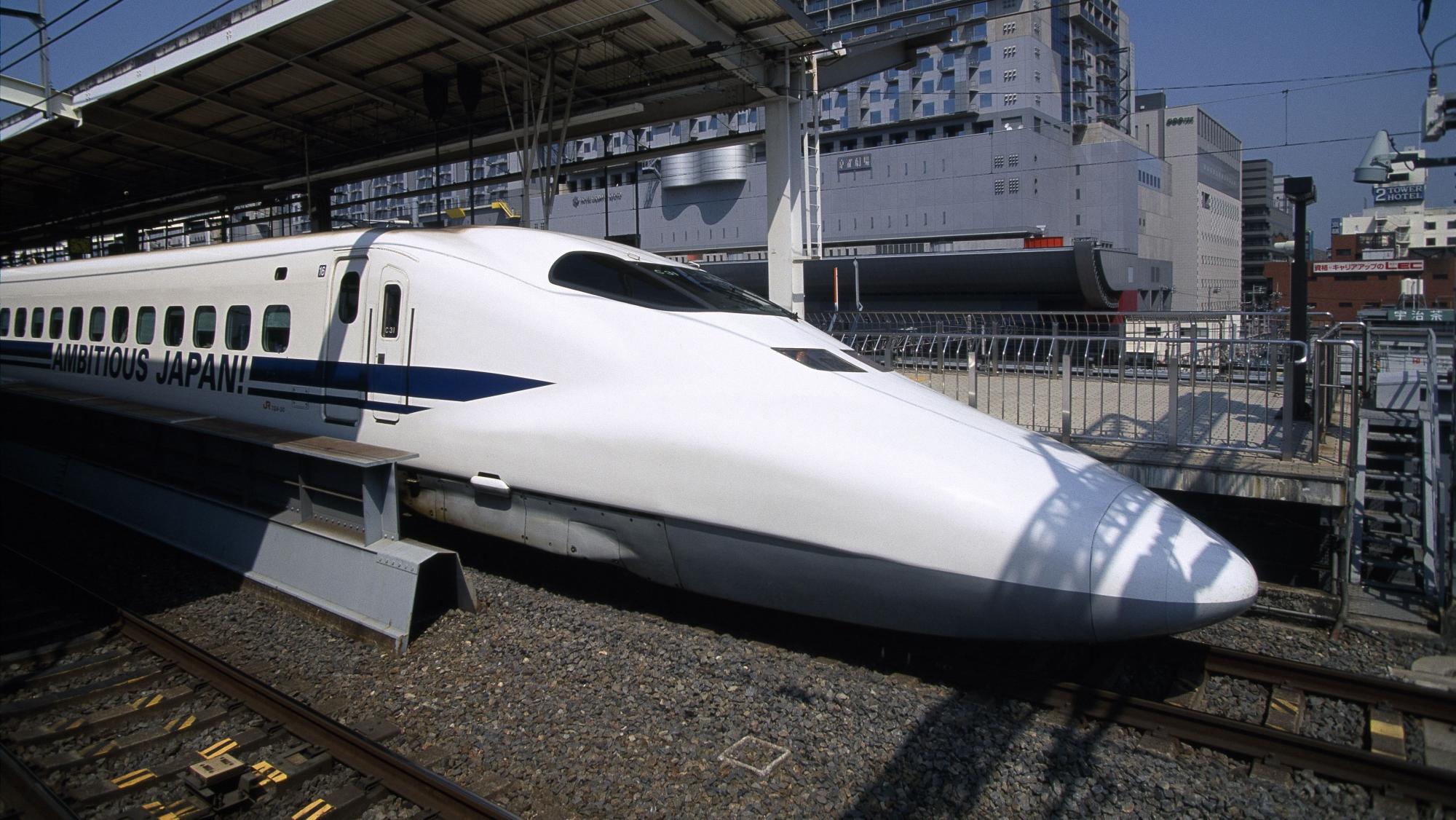
Leave the pilgrimage site by train and travel towards Osaka. Around midday, board the state-of-the-art Shinkansen bullet train to Kagoshima. The approximately 910-kilometre journey takes around 240 minutes by high-speed train. Sit back, relax and enjoy the ever-changing Japanese scenery as it passes by.
In the early evening, arrive in Kagoshima, located in the far south of the island of Kyushu. A taxi transfer will take you to your hotel.
Accommodation:
Shiroyama
(or similar)
Meals:
Breakfast
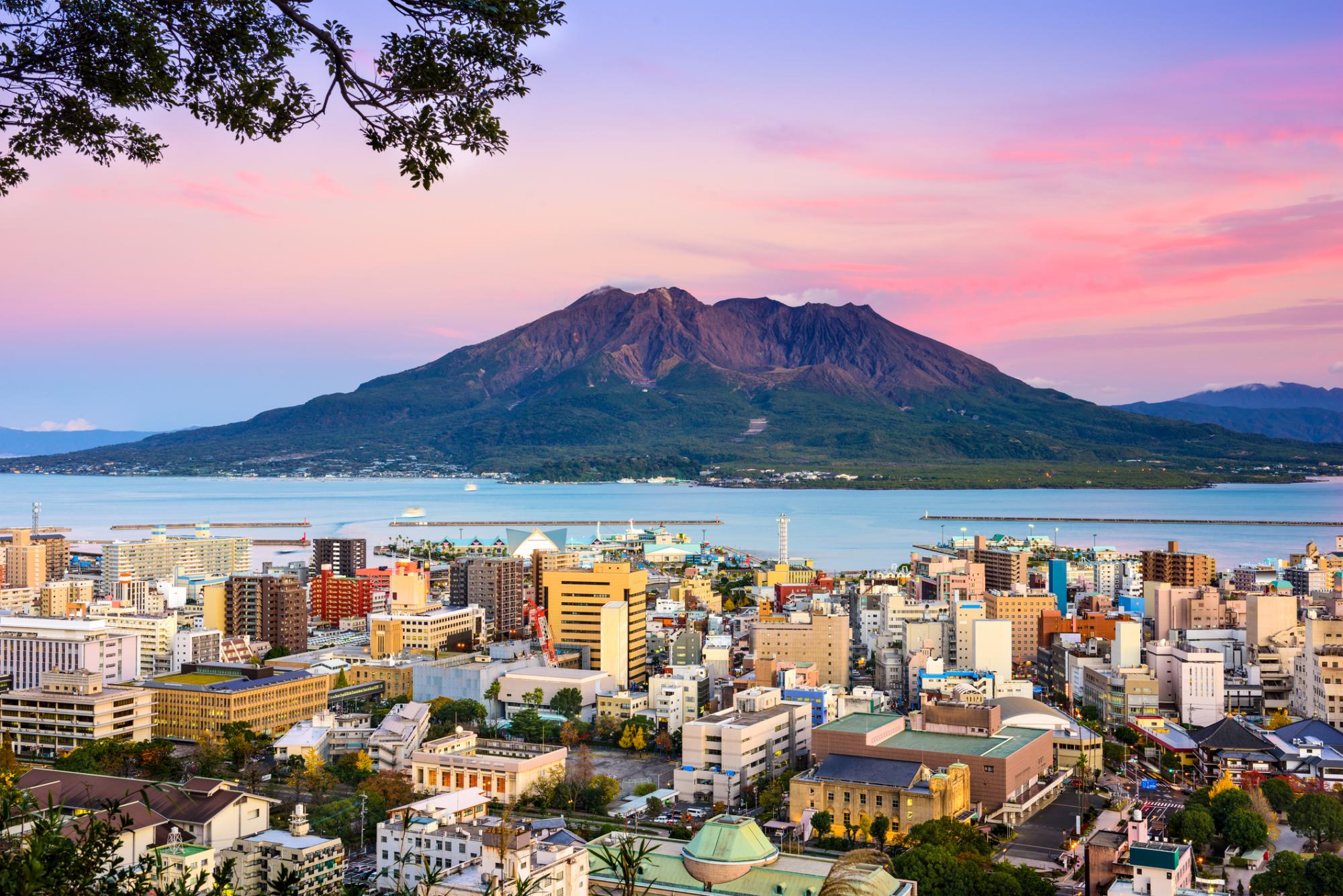
Kagoshima is often referred to as the “Naples of Japan”. The city is picturesquely situated on the coast, directly opposite the imposing volcanic island of Sakurajima.
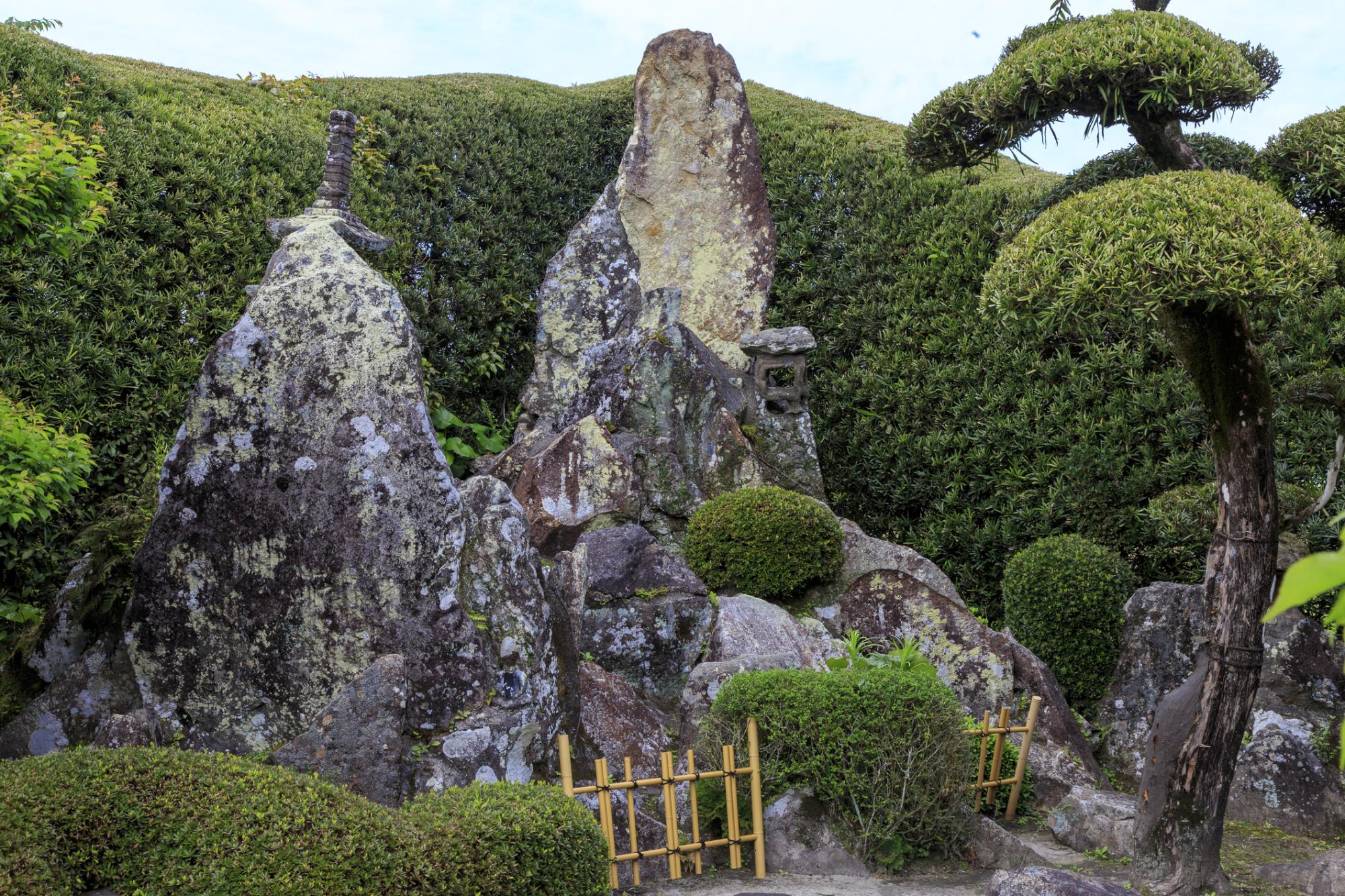
Begin the day with a visit to the beautiful Sengan-en landscape garden, offering spectacular views of Sakurajima, an active volcano rising 1,118 metres above sea level.
Take a ferry across to the volcanic island, bringing you even closer to the impressive Sakurajima. In the afternoon, travel by coach to Chiran, a small town renowned for its beautifully preserved samurai gardens. Towards the end of World War II, Chiran became sadly famous as an air force base.
Learn more about this tragic chapter of history with a visit to the Chiran Peace Museum for Kamikaze Pilots, which documents the lives and stories of the young pilots stationed here.
Accommodation:
Shiroyama
(or similar)
Meals:
Breakfast
Early in the morning, leave Kagoshima by Shinkansen and reach Fukuoka in less than two hours, where your group coach will be waiting.
Visit the extensive Dazaifu Tenmangu Grand Shrine, dedicated to Sugawara no Michizane, one of the most renowned scholars of ancient Japan. After his death, he was deified as a Shinto deity associated with learning and wisdom. With its numerous bridges, gardens and surrounding buildings, the shrine complex is an inviting place to stroll, relax and perhaps even pray for a little extra wisdom.
The region around Fukuoka and Nagasaki has been famous for its “white gold” – porcelain – since the 17th century. In Arita, the renowned Arita and Imari porcelain wares are still produced today. These ceramics were once imported to Europe by the Dutch and became highly prized.
Enjoy lunch together at a traditional Japanese restaurant – quite possibly served on beautiful Arita porcelain. Afterwards, explore the picturesque pottery village of Okawachiyama near Arita. This was once a secluded production centre where the Nabeshima lords had porcelain manufactured according to closely guarded secret techniques.
A particularly interesting highlight is a visit to the Hatayama Toen porcelain manufactory, where you can gain an insight into the traditional craftsmanship.
After time to explore the village at your leisure, continue to the historic port city of Nagasaki, arriving in the early evening.
Accommodation:
Hilton Nagasaki
(or similar)
Meals:
Breakfast, lunch
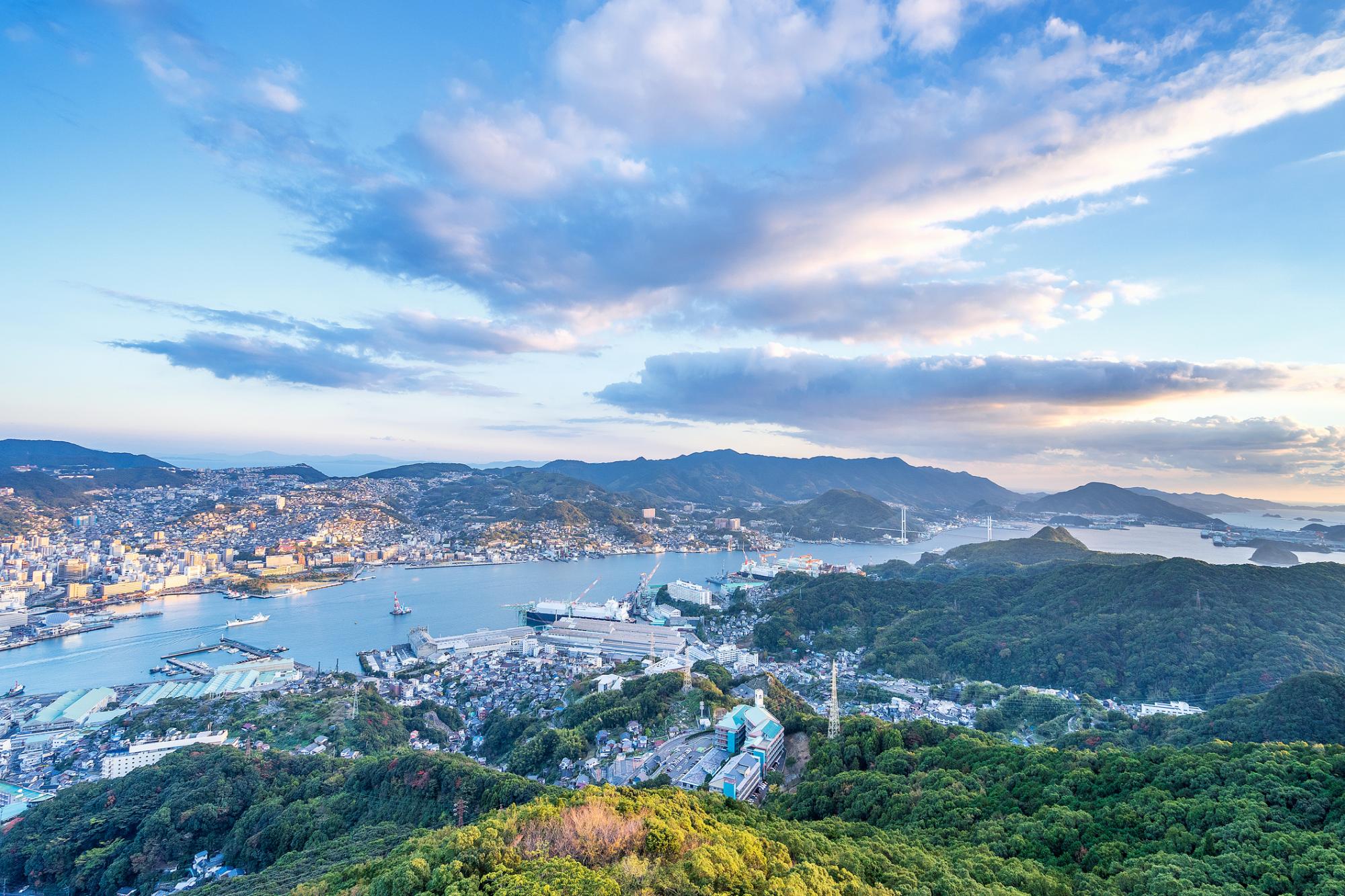
Today, explore Nagasaki comfortably by tram. Picturesquely nestled among the hills surrounding one of Japan’s most beautiful natural harbours, Nagasaki is a city shaped by centuries of international cultural exchange. It also served as the romantic setting for Puccini’s famous opera Madama Butterfly.
Portuguese missionaries as well as Dutch and Chinese merchants left a lasting mark on the city. Nagasaki has traditionally had a particularly large Chinese community, and today Nagasaki and Yokohama are home to Japan’s only remaining Chinatowns.
The Chinese community was also permitted to build its own temples. Visit Sofuku-ji Temple, one of the country’s best-preserved examples of Ming Dynasty architectural style.
Continue to the artificial island of Dejima, formerly home to the trading post of the Dutch East India Company. Until the 19th century, this small island served as one of Japan’s principal windows to the Western world and played a key role in the country’s limited international trade.
Conclude your tour with a stroll through Glover Garden. During Japan’s rapid modernization in the 19th century, Western merchants lived here in spacious colonial-style residences overlooking the city. The historic villas still offer spectacular views across Nagasaki Harbour and the city today.
Accommodation:
Hilton Nagasaki
(or similar)
Meals:
Breakfast
First, take a regional train to Fukuoka, where you board the Shinkansen Super Express back to the main island of Honshu and continue to Hiroshima. From there, a regional train and ferry will take you to the sacred island of Miyajima in the Seto Inland Sea in around 40 minutes.
At high tide, the famous torii gate of Itsukushima Shrine, arguably Japan’s most beautiful Shinto sanctuary, appears to float on the water, glowing in brilliant vermilion. In the late afternoon, return to Hiroshima, where you will be confronted with Japan’s wartime past as you visit the memorial sites and walk through the impressive Peace Memorial Park to the Atomic Bomb Dome. The Peace Memorial Museum leaves a profound impression and inspires a moment of respectful silence.
In the evening, embark on a culinary discovery tour. Hiroshima is famous for its numerous Okonomiyaki restaurants, where the popular Japanese-style savoury pancake is particularly delicious.
Today, only light hand luggage is available, as your main luggage will be forwarded by courier to Takayama and will be waiting for you at your hotel after your arrival on Day 11.
Accommodation:
Hilton Hiroshima
(or similar)
Meals: Breakfast, dinner
First, take a regional train to Fukuoka, where you board the Shinkansen Super Express back to the main island of Honshu and continue to Hiroshima. From there, a regional train and ferry will take you to the sacred island of Miyajima in the Seto Inland Sea in around 40 minutes.
At high tide, the famous torii gate of Itsukushima Shrine, arguably Japan’s most beautiful Shinto sanctuary, appears to float on the water, glowing in brilliant vermilion. In the late afternoon, return to Hiroshima, where you will be confronted with Japan’s wartime past as you visit the memorial sites and walk through the impressive Peace Memorial Park to the Atomic Bomb Dome. The Peace Memorial Museum leaves a profound impression and inspires a moment of respectful silence.
In the evening, embark on a culinary discovery tour. Hiroshima is famous for its numerous Okonomiyaki restaurants, where the popular Japanese-style savoury pancake is particularly delicious.
Today, only light hand luggage is available, as your main luggage will be forwarded by courier to Takayama and will be waiting for you at your hotel after your arrival on Day 11.
Accommodation:
Hilton Hiroshima
(or similar)
Meals: Breakfast, dinner
Takayama has preserved much of the charm and character of traditional life in rural Japan. Your walking tour of this delightful town begins at the morning market, where a wide variety of regional products are offered. A visit to the former provincial government office provides fascinating insights into everyday life and society under the Tokugawa Shogunate.
This is followed by a leisurely stroll through the picturesque streets of the old town, with its traditional sake breweries and miso shops. In the afternoon, travel by coach to Shirakawa-go, a picturesque mountain village renowned for its traditional thatched-roof farmhouses. Built in an ancient architectural style, the entire village has been designated a UNESCO World Heritage Site.
There is hardly anywhere else where the traditional rural Japan of the past can be experienced more beautifully and impressively than here, as you explore the village on foot.
Accommodation:
Mercure Hida Takayama
(or similar)
Meals: Breakfast
In the morning, cross the mighty Japanese Alps by coach on your way to Matsumoto. In clear weather, a magnificent panorama of the mountain range, with peaks rising above 3,000 metres, unfolds before you – an unforgettable sight. In Matsumoto, visit the historic castle complex, regarded as one of the most beautiful castles in Japan. Because of its distinctive black exterior, it is also known as “Crow Castle”.
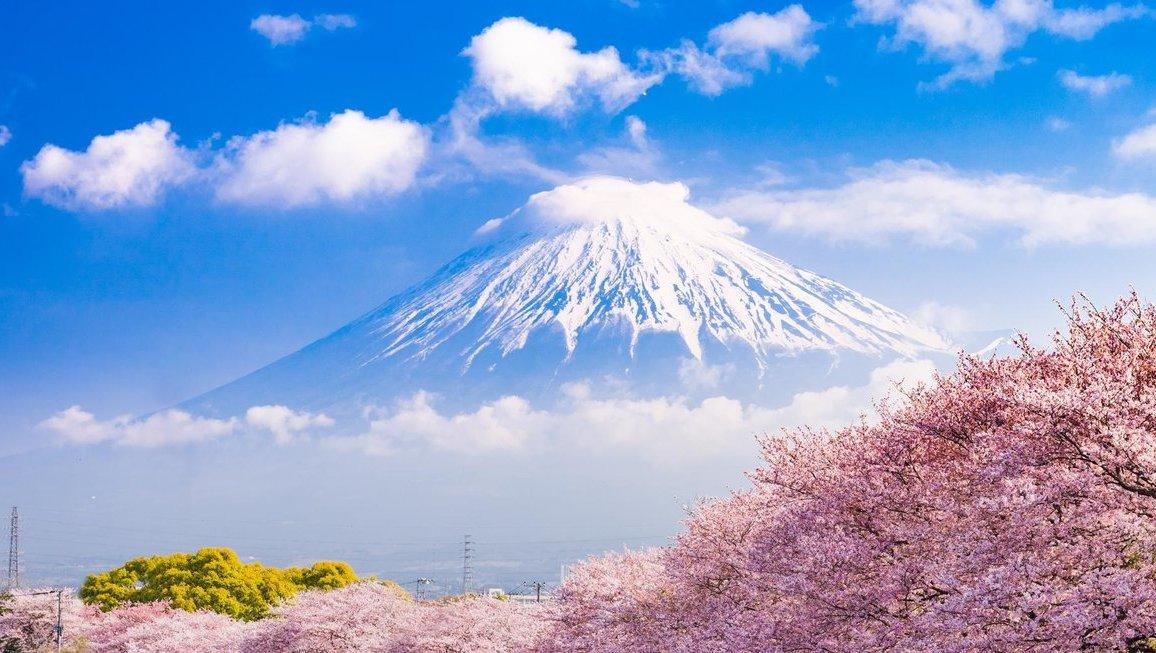
In the afternoon, continue to the Fuji-Hakone-Izu National Park, passing Japan’s most sacred mountain, the 3,776-metre-high Mount Fuji. Because of its importance as a sacred site and source of artistic inspiration, this beautifully symmetrical volcanic cone has been designated a UNESCO World Heritage Site.
Enjoy an overnight stay in a ryokan, a traditional Japanese accommodation. In the evening, a visit to the hotel’s own onsen (hot spring bath) offers the perfect opportunity to end the day in true Japanese style.
Please note: For the travel date 22 October 2025, the Matsumoto programme will be replaced by a walk through the scenic alpine valley of Kamikochi.
Accommodation:
De Yama (Ryokan-Hotel)
(or similar)
Meals: Breakfast
In the morning, enjoy a boat excursion through the scenic Hakone mountain region (weather permitting) and, on clear days, take in impressive views of the sacred Mount Fuji.
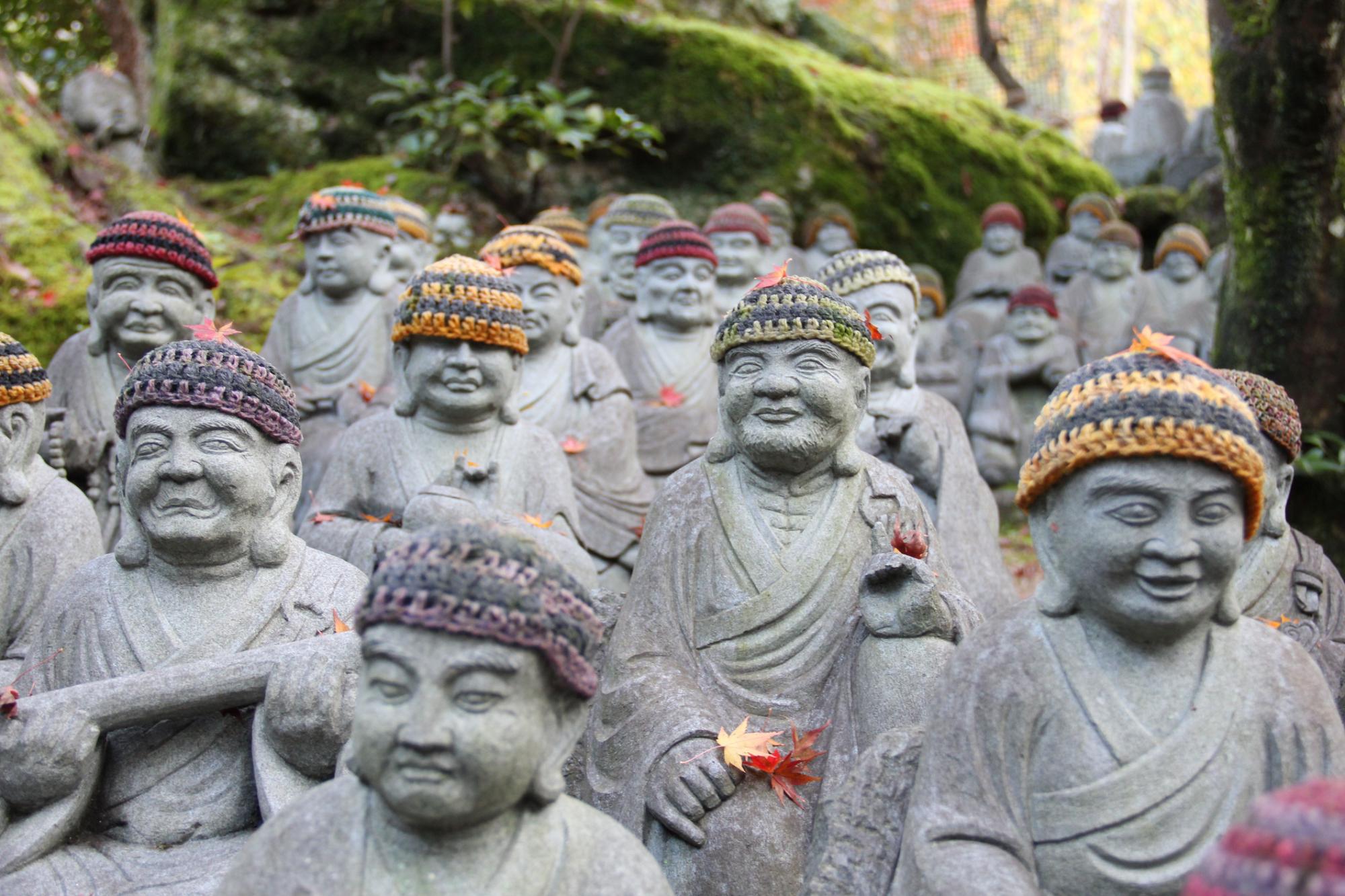
Today, a coach journey to the Pacific coast takes you to Kamakura, where history comes alive in the late 12th century. Kamakura was the seat of Japan’s first shogunate. At Hasedera Temple, stroll through enchanting gardens adorned with tens of thousands of small figures dedicated to the patron deity of unborn children, and admire Japan’s largest Kannon statue.
Nearby, the famous Great Buddha of Kamakura awaits you. Finally, travel through dense bamboo and cedar forests and past rice fields to the megacity of Tokyo, where you arrive at your hotel in the evening.
Accommodation:
Hotel New Otani Tokyo Garden Tower
(or similar)
Meals: Breakfast
Today, we explore Japan’s largest city – Tokyo – with a metropolitan population of more than 40 million. We begin the day with a walking tour through the historic district of Asakusa. Along the rebuilt Nakamise shopping street, originally a pilgrimage route and reconstructed after the Second World War, browse the colourful stalls and shops offering a wide range of unusual souvenirs.
At Senso-ji Temple, home to an ancient statue of the Bodhisattva Kannon, you will see the enormous scarlet paper lantern at the Kaminarimon Gate – the largest in Japan, weighing more than 700 kilograms. From here, you can also catch a glimpse of Tokyo Skytree above the rooftops, one of the world’s tallest structures and Japan’s tallest broadcasting tower.
After several stops by train, enter a peaceful park filled with tens of thousands of cedar and cypress trees. At its heart stands the Meiji Shrine, Tokyo’s most important Shinto sanctuary, dedicated to the deified spirits of Emperor Meiji and Empress Shoken. Emperor Meiji is also revered as a deity of learning, and many students come here to pray for success in their examinations. Traditional Japanese weddings are also frequently held at the shrine.
Nearby lies the famously eccentric fashion district of Harajuku, with its colourful Takeshita Street. Have you always dreamed of wearing a dress inspired by 19th-century French dolls, or wondered just how extravagantly some Japanese people dress? Then this is the place for you.
You will also explore the bustling Shibuya district and see the world-famous Shibuya Crossing, one of the busiest pedestrian crossings in the world. Here, you will also learn the touching story of Hachiko, the world’s most loyal dog, whose story was brought to Hollywood audiences in the film starring Richard Gere.
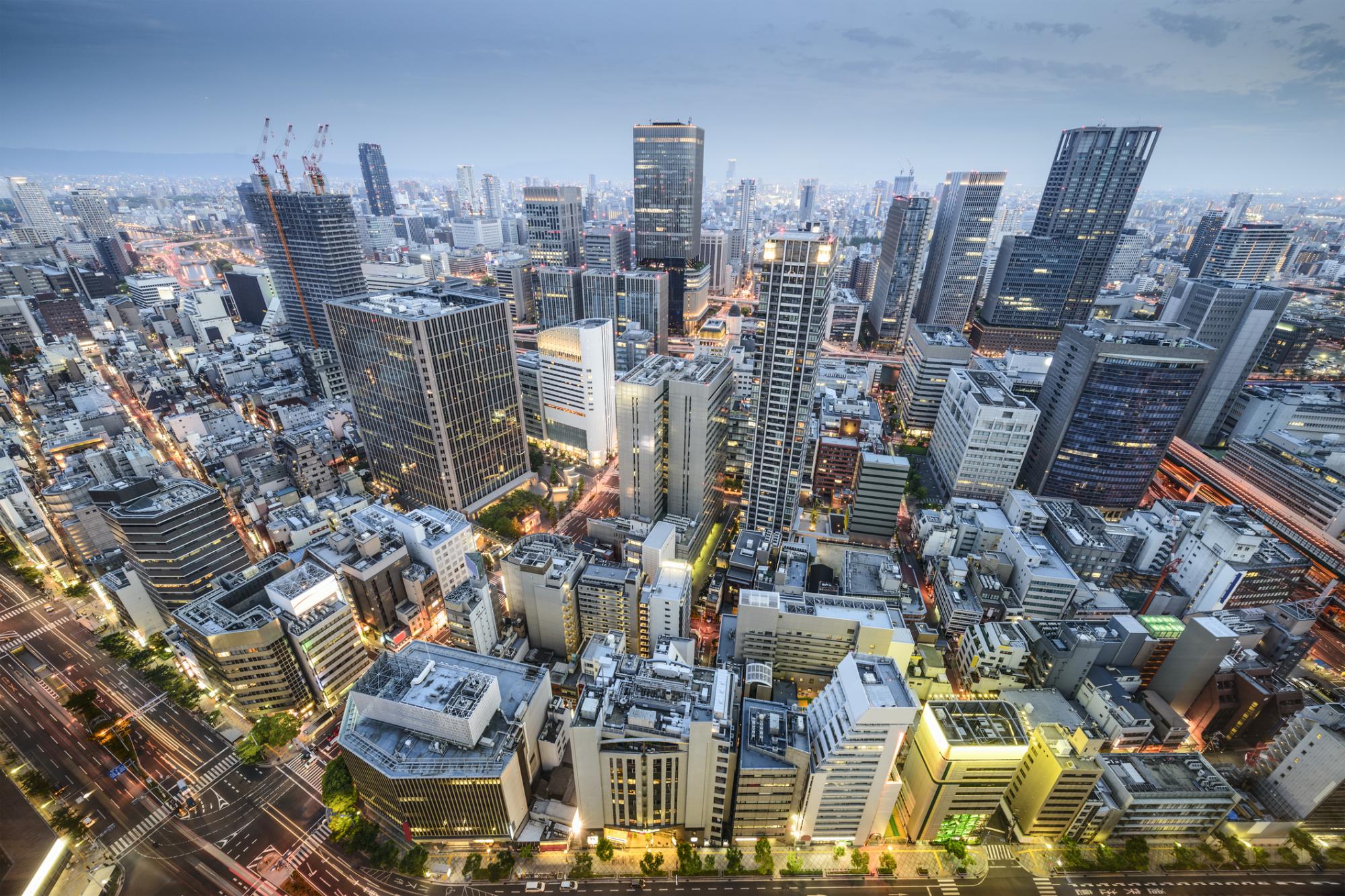
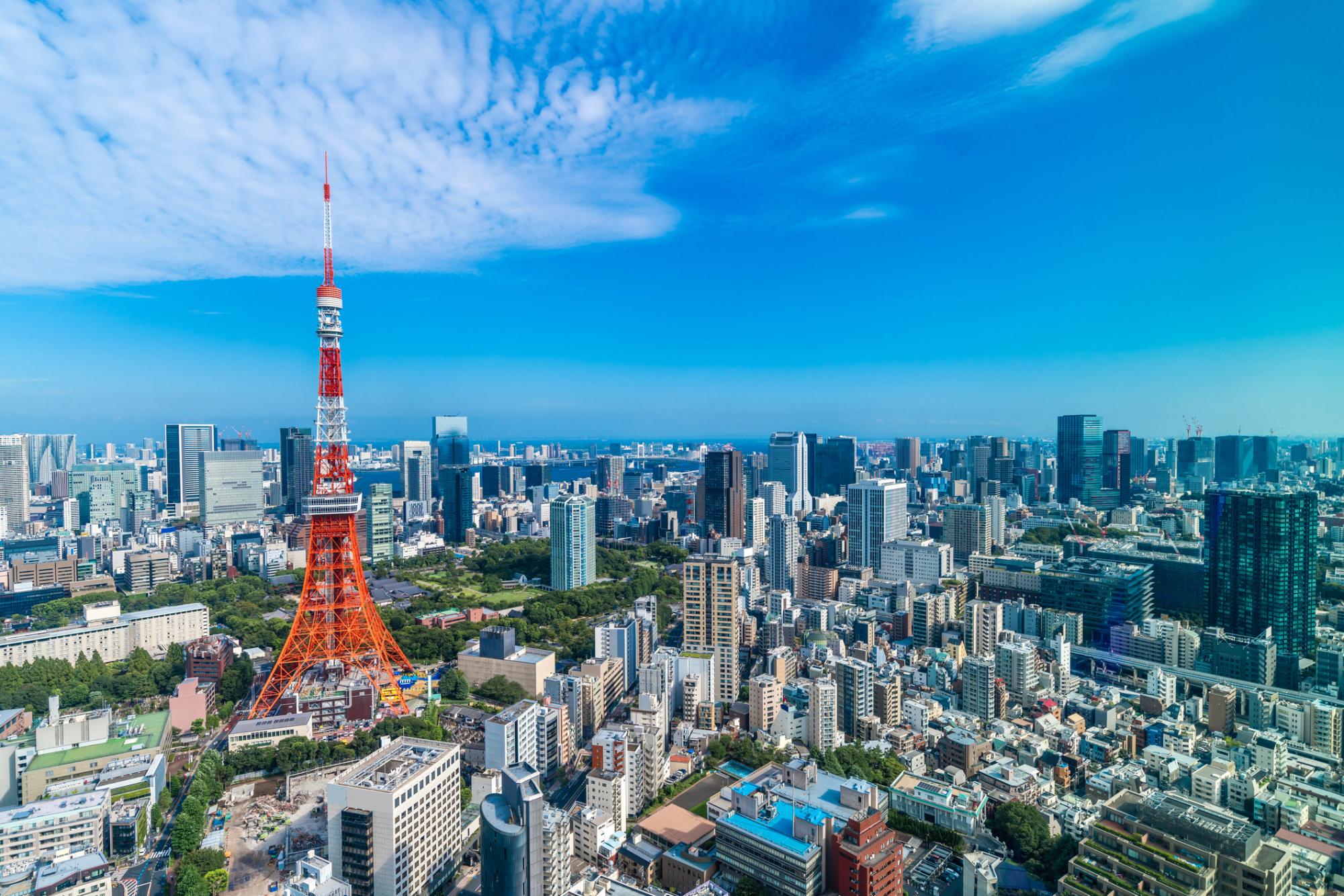
A visit to the observation deck of the Tokyo Metropolitan Government Building (Tocho) in Shinjuku rounds off the day. From high above, enjoy an incomparable view across Tokyo’s seemingly endless sea of buildings. If the Tocho observation deck is closed, you will instead visit the observation deck of one of Tokyo’s Mori Towers.
Accommodation:
Hotel New Otani Tokyo Garden Tower
(or similar)
Meals: Breakfast
After breakfast, experience Tokyo like more than 15 million people every day – not by group coach, but by using the city’s excellent public transport system. You will be surprised by how clean, punctual and efficient the subway and urban rail network is. It is no coincidence that Tokyo’s public transport network is regarded as one of the most advanced and efficient in the world.
Head to one of Tokyo’s most beautiful parks. Ueno Park is home to several of Japan’s most important cultural institutions as well as the country’s best-known art university. Among them is Tokyo’s only UNESCO World Heritage Site: the Museum of Western Art, housed in a distinctive modernist building designed by the renowned French architect Le Corbusier.
A curator from the museum will introduce you to the history and composition of its unique art collection. In addition to its cultural institutions, Ueno is one of Tokyo’s most popular Hanami spots for viewing the cherry blossoms. Several thousand Sakura cherry trees line the park’s promenades, beneath which, in spring, locals gather to celebrate the arrival of the new season. Kampai!
Finally, stroll to the neighbouring district of Ameya-Yokocho. In Japanese, “Ame” can refer either to sweets or to Americans. After the Second World War, US occupation forces sold surplus military goods here, and a lively black market also developed. Today, the area remains a large open-air market where you can find not only sweets but almost anything that can be bought and sold.
Take your time to explore the colourful market and enjoy an unusually lively and relaxed side of Tokyo. After returning to the hotel, the remainder of the afternoon is free. Why not take an extended stroll through the seemingly endless cityscape of this fascinating metropolis? Your tour guide will also be happy to provide recommendations for any last-minute shopping.
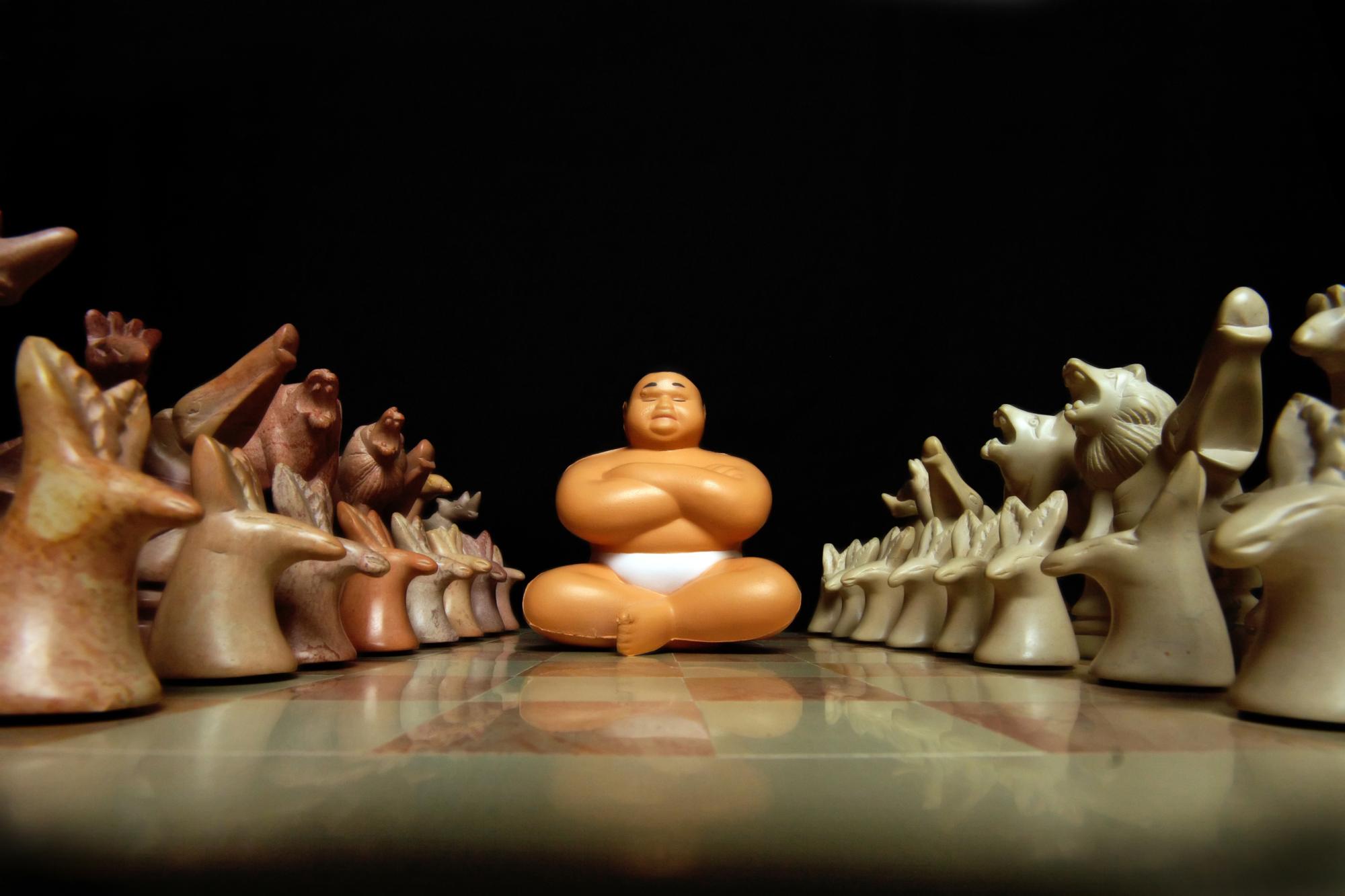
Round off your stay in Tokyo with an entertaining dinner featuring a spectacular performance by professional sumo wrestlers. Following an introduction to the mythical and centuries-old history of this traditional ritual wrestling sport, watch professional wrestlers in training and exciting bouts – and, if you are brave enough, even challenge one of them yourself!
You will also enjoy the same type of meal traditionally eaten by sumo wrestlers in their training stables: Chanko-nabe, a hearty Japanese hot pot packed with meat and vegetables.
After the wrestling programme, you will have the opportunity to take a souvenir photo with your favourite wrestler, whose impressive size and passion for the sport are unforgettable.
Accommodation:
Hotel New Otani Tokyo Garden Tower
(or similar)
Meals: Breakfast
Today, discover more of the Japanese capital on your own, with recommendations from your tour guide. Alternatively, join the optional bus excursion to Nikko.
A visit to Nikko is one of the cultural highlights of your journey through Japan. Located around 120 kilometres from Tokyo and surrounded by the scenic beauty of Nikko National Park, the town is home to an extensive complex of shrines and temples, designated a UNESCO World Heritage Site, set amid a spectacular mountainous landscape.
Here you will visit Toshogu Shrine, dedicated to the deified first shogun of the Tokugawa era, dating from the 17th century. Nowhere else can you experience the outstanding architecture and masterful woodcarving of this golden age of Japanese culture more impressively.
High above Nikko, you will also visit the 97-metre-high Kegon Falls at Lake Chuzenji, a popular holiday destination, particularly during the spectacular autumn foliage season. The visit is subject to traffic and weather conditions.
In the late afternoon, return to your hotel in Tokyo for your final overnight stay in Japan.
At a final group dinner, enjoy a typically Japanese evening in Tokyo as you bid farewell to Japan.
Accommodation:
Hotel New Otani Tokyo Garden Tower
(or similar)
Meals: Breakfast, dinner
Transfer to Tokyo-Haneda Airport. Return flight to Germany with a renowned airline.
Meals: Breakfast
€189 per person
Round off your stay in Tokyo with an entertaining dinner featuring a spectacular performance by professional sumo wrestlers. Following an introduction to the mythical and centuries-old history of this traditional form of ritual wrestling, you will see professional wrestlers in training and exciting bouts – and, if you are brave enough, even have the chance to challenge one of them yourself!
You will also enjoy the same type of meal traditionally served to sumo wrestlers at their training stables: Chanko-nabe, a hearty Japanese hot pot prepared with plenty of meat and vegetables.
After the wrestling programme, you will have the opportunity to take a souvenir photo with your favourite wrestler. Their impressive size, strength and passion for this fascinating Japanese sport make for an unforgettable experience.
€155 per person
A visit to Nikko is one of the cultural highlights of your journey through Japan. Located around 120 kilometres from Tokyo and surrounded by the scenic beauty of Nikko National Park, the town is home to an extensive complex of shrines and temples, designated a UNESCO World Heritage Site, set amid a spectacular mountainous landscape.
Here you will visit Toshogu Shrine, dedicated to the deified first shogun of the Tokugawa era and dating from the 17th century. Nowhere else can you experience the outstanding architecture and masterful woodcarving of this golden age of Japanese culture more impressively.
High above Nikko, you will also visit the 97-metre-high Kegon Falls at Lake Chuzenji, a popular holiday destination, particularly during the spectacular autumn foliage season. The visit is subject to traffic and weather conditions.
€179 per person
At a traditional Japanese restaurant, enjoy a delicious shabu-shabu meat hot pot, a Japanese speciality featuring tender meat, fresh vegetables, tofu and wheat noodles. The highlight of the evening is a charming visit from a young Kyoto apprentice geisha, known as a Maiko.
The presence of a genuine Geiko, as geishas are traditionally called in Kyoto, is becoming an increasingly rare and special experience, even for Japanese people themselves. After graceful traditional dances accompanied by the sounds of the shamisen, the Maiko will be available for souvenir photographs.
Experience first-hand how the traditions and culture of old Japan continue to live on behind the country’s ultra-modern façade.
This tour is generally not suitable for people with limited mobility. If in doubt, please contact our service centre before booking to discuss your individual requirements.