

TRAVEL GUIDE NORTH AMERICA | CANADA
Canada Road Trip: The Complete Planning Guide for East, West, National Parks and RV Travel
Motorhome or guided tour? East or West? Rocky Mountains or Atlantic coast? Whether you have ten days or three months, this guide gives you honest, practical answers to every question about planning a Canadian road trip — and the inspiration to actually book it.
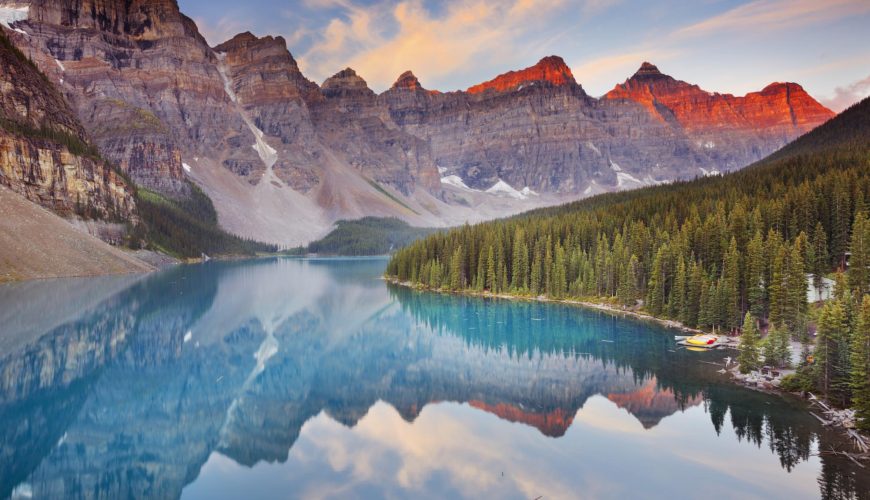
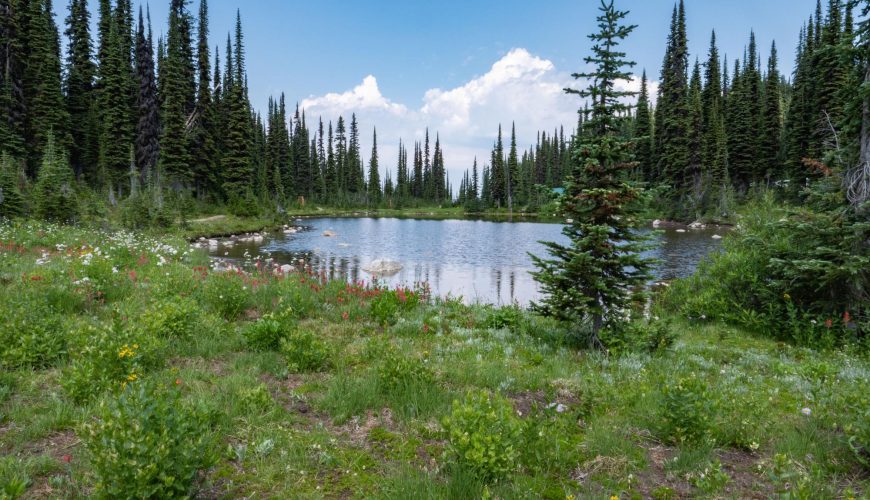
There is a particular kind of silence that Canada does better than almost anywhere else on earth. It is the silence of a glacial lake at six in the morning, the surface so still it mirrors the mountains perfectly. It is the silence of a moose standing at the treeline, watching you with complete indifference. It is the silence between the pine trees on the Icefields Parkway, broken only by the wind and the distant crack of a glacier. Canada is vast, spectacularly varied and, in the right moments, genuinely humbling. It is also extremely well-organised, easy to drive and surprisingly accessible for a country of its size.
This planning guide covers everything a European traveller needs to know before setting off: the fundamental question of East versus West, concrete route suggestions for every trip length, the great national parks, RV travel, group tours versus independent driving, visa requirements, health considerations, the best seasonal events and a frank assessment of what is realistic in how much time. The goal is not to give you a fantasy itinerary. The goal is to give you the trip you will actually remember.
What is in this guide
- Canada at a glance: key facts for travellers
- East or West — or both? The fundamental planning decision
- Western Canada routes: Rocky Mountains, Vancouver and the Pacific
- Eastern Canada routes: Toronto, Quebec City and the Atlantic provinces
- The great national parks: Banff, Jasper, Cape Breton and beyond
- Canada by RV: freedom, practicalities and the best routes
- Group tours versus independent travel: which is right for you?
- How much time do you need? Honest assessments by trip length
- Events and festivals worth planning around
- Entry requirements: eTA, passport and customs
- Health, wildlife safety and travel insurance
- Best time to visit: every season has a case
1. Canada at a glance: key facts for travellers
| Feature | Details |
| Size | 9.98 million km² — the second-largest country on earth; roughly 28 times the size of Germany |
| Population | Approx. 40 million; 80% live within 160 km of the US border |
| Capital | Ottawa, Ontario — but Toronto (ON) and Vancouver (BC) are the main arrival cities |
| Languages | English and French (both official); French is dominant in Quebec |
| Currency | Canadian Dollar (CAD); approx. EUR 1 = CAD 1.50 (2026 rate) |
| Time zones | Six: from Newfoundland Time (UTC-3:30) to Pacific Time (UTC-8) |
| National parks | 47 national parks under Parks Canada; Discovery Pass strongly recommended |
| Entry from Europe | eTA (Electronic Travel Authorization) required; passport mandatory |
| Flight time | Approx. 9–10 hrs to Toronto; 10–11 hrs to Vancouver (nonstop from Frankfurt/Zurich) |
The practical reality of travelling Canada is more reassuring than the scale suggests. Roads are excellent, distances are clearly signposted in kilometres, English is universal outside Quebec, credit cards are accepted almost everywhere, supermarkets in small towns stock everything you need and the camping infrastructure — particularly in national parks — is among the best in the world. The wilderness is very real and very close, but it is not inaccessible. Canada has been welcoming independent travellers for decades and has the infrastructure to prove it.
2. East or West — or both? The fundamental planning decision
If there is one question that every Canada-bound traveller eventually has to answer honestly, it is this one. East and West Canada are not simply different regions of the same country — they feel like different countries entirely. The Rocky Mountains of Alberta and British Columbia have almost nothing in common with the tidal flats of the Bay of Fundy or the French-language cobblestones of Old Quebec City. Choosing between them is less about which is better and more about which matches your travel personality.
| Criterion | Western Canada | Eastern Canada |
| Main draw | Rocky Mountains, glaciers, Pacific coast | Niagara Falls, French Canada, Atlantic coast, fall foliage |
| Cities | Vancouver, Victoria, Calgary, Whistler | Toronto, Montreal, Quebec City, Ottawa, Halifax |
| National parks | Banff, Jasper, Pacific Rim, Yoho, Kootenay | Cape Breton Highlands, Fundy, Bruce Peninsula |
| Language | English throughout | Bilingual; Quebec predominantly French |
| Best season | June to September | May to October (October for fall colours) |
| Character | Wilderness, outdoor adventure, scenery | Cultural, historical, coastal, urban |
| Minimum time | 14 days to do it justice | 10–12 days minimum |
| Entry point | Calgary (YYC) or Vancouver (YVR) | Toronto (YYZ) or Montreal (YUL) |
The most common mistake first-time visitors make is trying to combine both in two weeks. Flying into Toronto and out of Vancouver — or vice versa — sounds appealing on paper, but the internal flight alone consumes most of a day, and the result is a whistle-stop tour of both regions that satisfies neither. Two weeks demands a choice. Three weeks allows a genuine combination. Four weeks or more is when Canada truly opens up.
| Recommendation for first-time visitors
Start with Western Canada. The combination of Banff, the Icefields Parkway, Jasper and Vancouver is the most iconic, most photogenic and most logistically straightforward introduction to the country. Save Eastern Canada for a return visit — or add it as a deliberate extension with at least three weeks total. |
3. Western Canada routes: Rocky Mountains, Vancouver and the Pacific
The geography of Western Canada imposes a natural logic on most trips. Calgary is the entry point from the east, Vancouver from the west, and between them runs one of the great road trip corridors of the world: through Banff National Park, along the Icefields Parkway, through Jasper and then west over the mountain passes to the Pacific coast.
| Classic Western Loop: Calgary – Rocky Mountains – Vancouver (14 days)
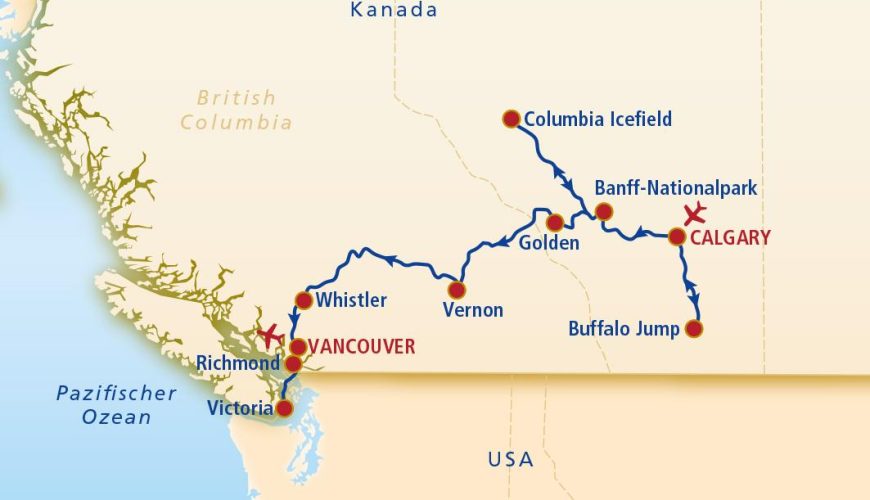
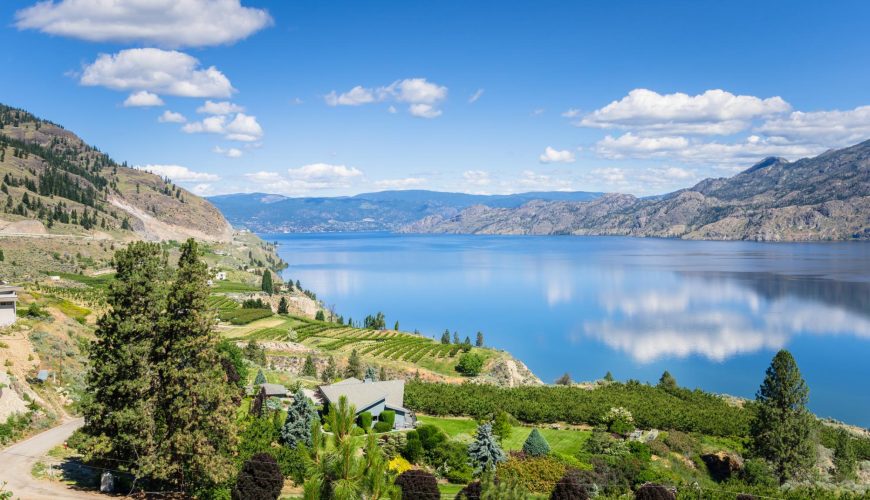
Days 1–2: Arrive Calgary; acclimatise; visit Calgary Stampede (July) or explore the city. Days 3–5: Banff National Park — Lake Louise, Moraine Lake (shuttle reservation mandatory from May), Bow Valley Parkway, Johnston Canyon. Day 6: Drive the Icefields Parkway (230 km; allow a full day): Peyto Lake, Athabasca Glacier, Sunwapta Falls, Columbia Icefield. Days 7–8: Jasper National Park — Maligne Lake and Spirit Island, Maligne Canyon, Jasper SkyTram, wildlife spotting at dawn. Day 9: Drive via Kamloops to Kelowna in the Okanagan Valley (wine country). Day 10: Continue to Vancouver; arrive evening. Days 11–13: Vancouver — Stanley Park seawall, Gastown, Granville Island Market, Capilano Suspension Bridge, Grouse Mountain. Day 14: Fly home or extend to Vancouver Island. |
| Extension: Vancouver Island and Pacific Rim National Park (+4–5 days)
BC Ferries from Tsawwassen to Swartz Bay (90 min); explore Victoria — Parliament Buildings, Butchart Gardens, Inner Harbour whale watching. Drive west across the island to Tofino (Pacific Rim National Park Reserve): Long Beach surf, old-growth rainforest boardwalks, bear and whale watching tours. Return ferry from Nanaimo to Horseshoe Bay near Vancouver, or fly home direct from Vancouver. |
Western Canada highlights at a glance
- Banff National Park: Lake Louise, Moraine Lake (one of the most photographed lakes on earth), Bow Valley Parkway — book accommodation and shuttle passes months ahead in peak season
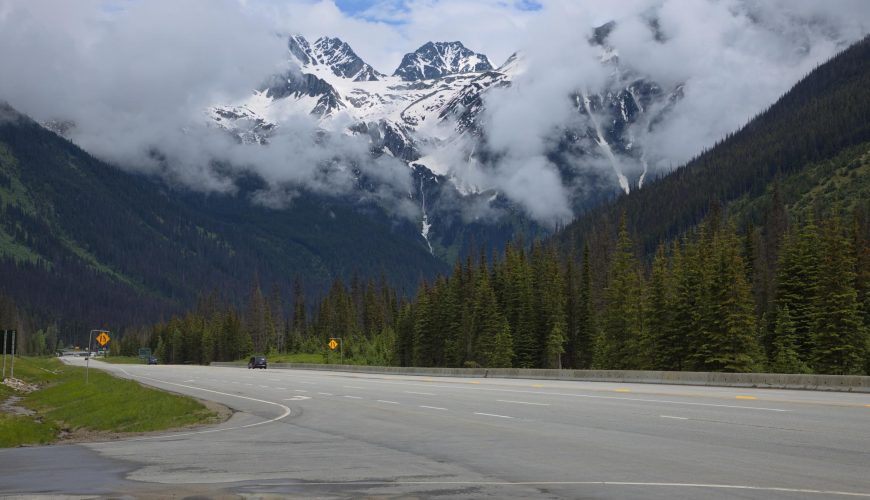
- Icefields Parkway (Highway 93): 230 km of mountain highway between Banff and Jasper; frequently named the most beautiful road in North America; allow a full day with stops
- Jasper National Park: quieter than Banff, UNESCO World Heritage Site, Maligne Lake boat tour to Spirit Island, excellent wildlife viewing (bears, elk, bighorn sheep)
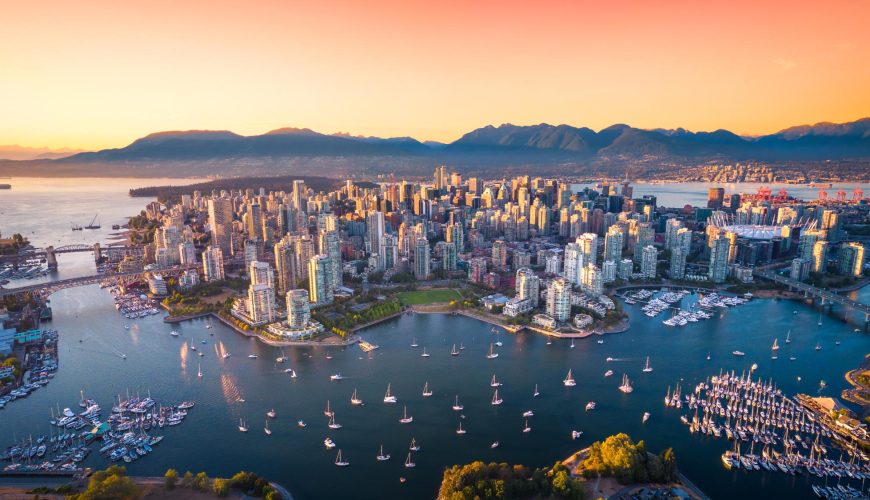
- Vancouver: Stanley Park (400 hectares of old-growth forest within the city boundary), Granville Island Market, Gastown, world-class Asian food scene
- Whistler: world-class ski and mountain bike resort 2 hours north of Vancouver via the spectacular Sea-to-Sky Highway
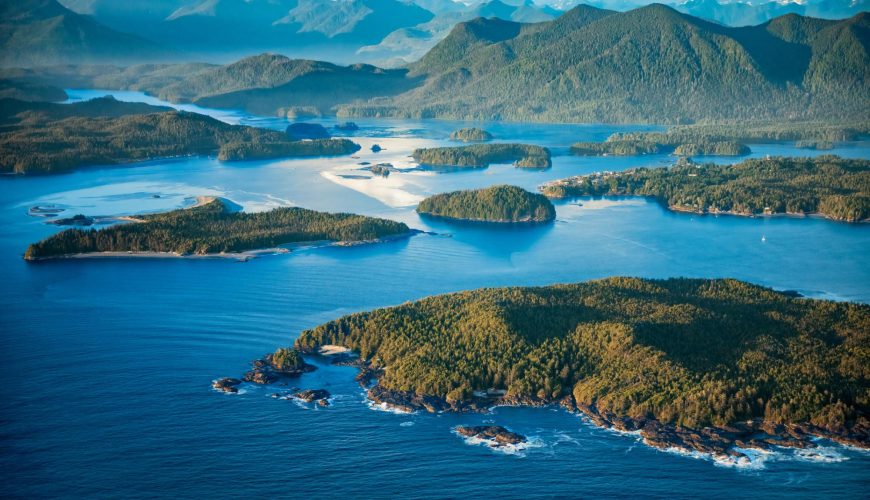
- Pacific Rim: Tofino, Long Beach, temperate rainforest, big surf, grey whales in spring, bears on the beach in autumn
4. Eastern Canada routes: Toronto, Quebec City and the Atlantic provinces
Eastern Canada rewards a different kind of traveller — one drawn to history, language, architecture and the particular romance of a coastline defined by fog, lobster and wooden fishing villages. It is also the half of the country where autumn does something extraordinary to the landscape, turning the maple-covered hills of Ontario and Quebec into a spectacle that rivals anything in New England.
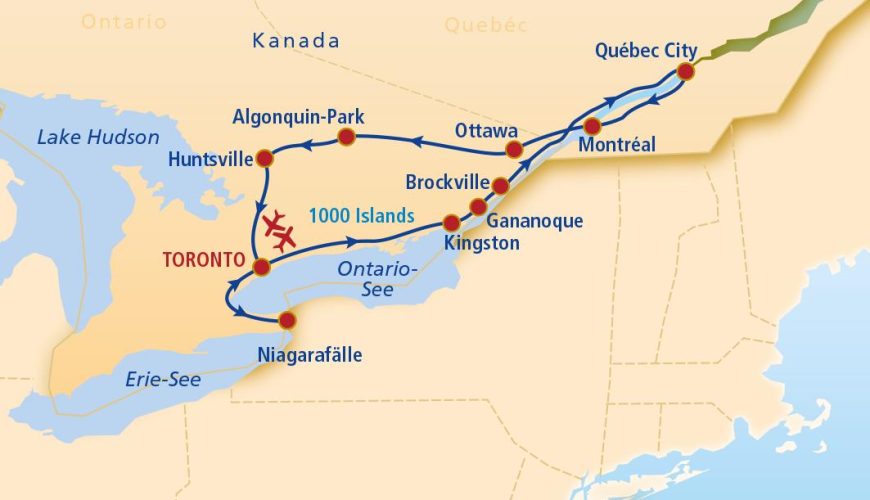
| Classic Eastern Loop: Toronto – Ottawa – Montreal – Quebec City (12 days)
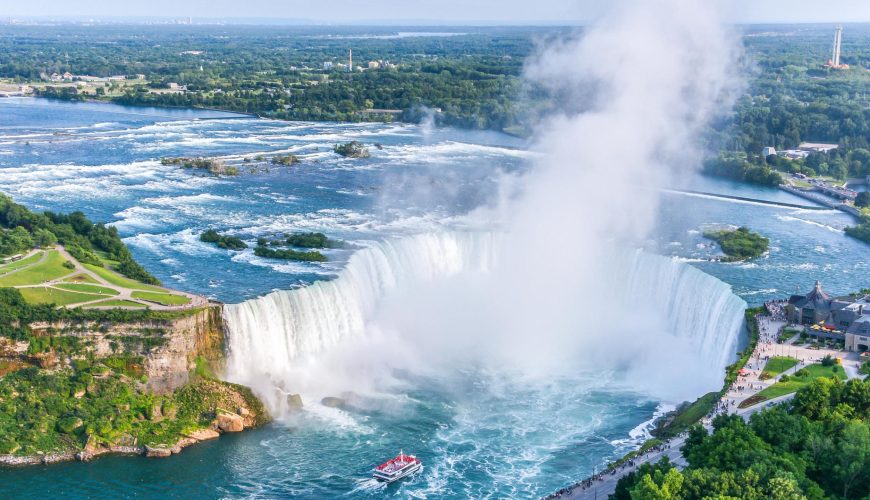
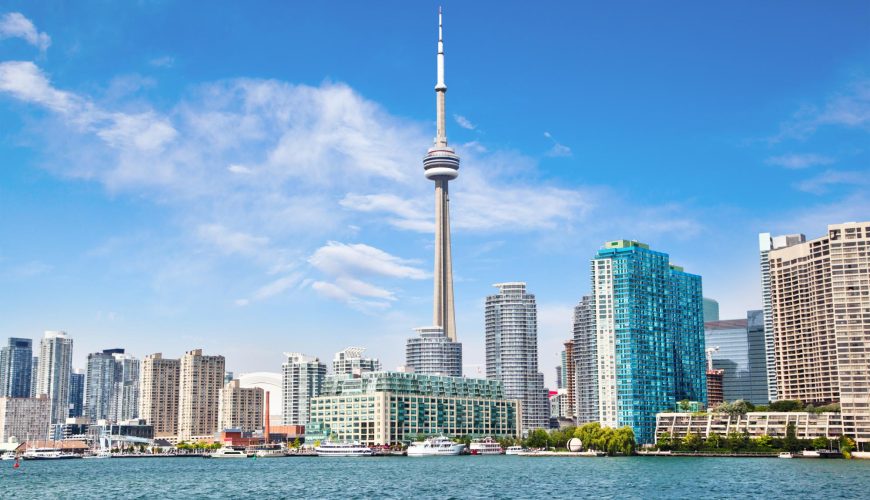
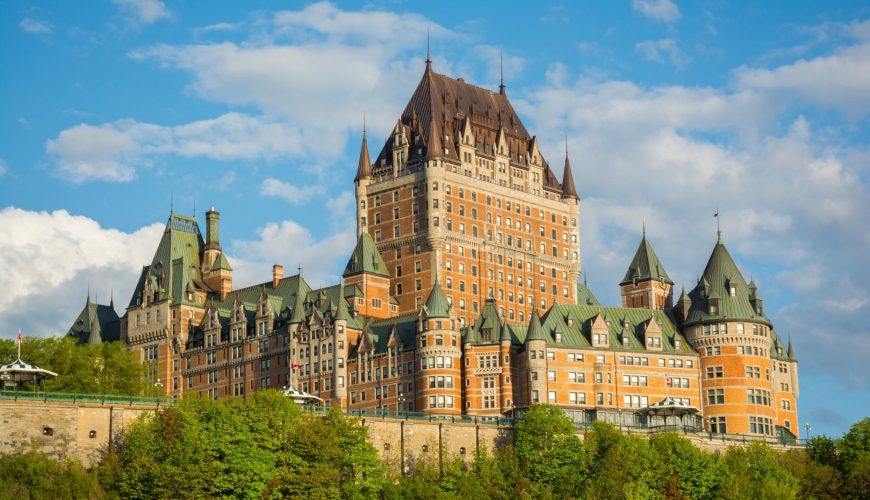
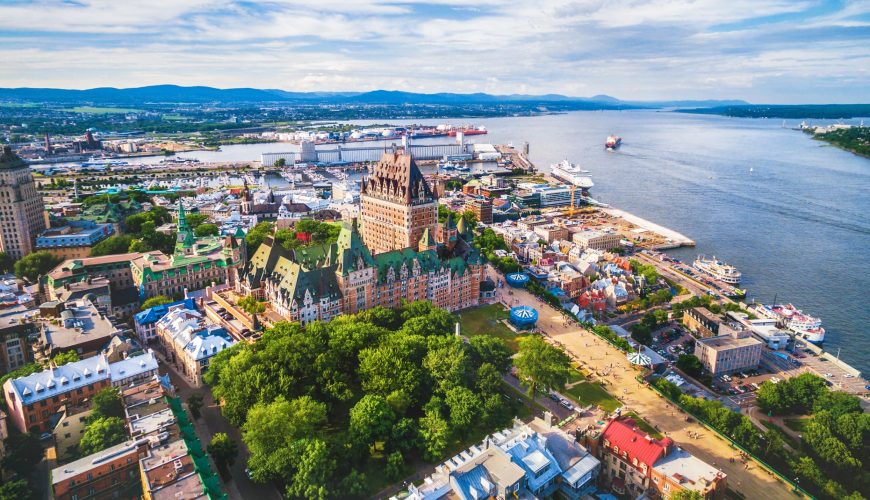
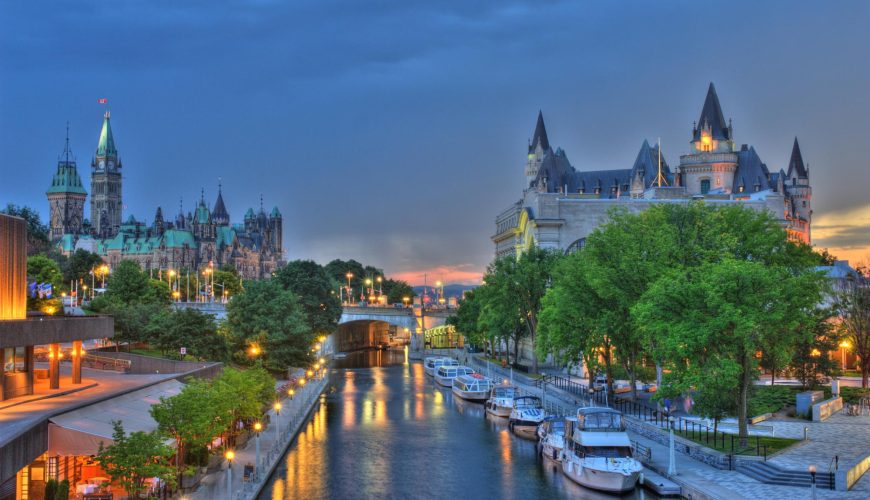
Days 1–3: Toronto — CN Tower, Kensington Market, Distillery District, Toronto Islands; day trip to Niagara Falls (Hornblower boat tour highly recommended for the Canadian-side view). Day 4: Drive to Ottawa (4.5 hrs); evening in the Byward Market. Day 5: Ottawa — Parliament Hill, Canadian Museum of History, National Gallery; particularly special on Canada Day (1 July). Days 6–7: Montreal — Vieux-Montreal, Mont Royal, Mile End neighbourhood, world-famous Jazz Festival (late June/July). Days 8–10: Quebec City — the only walled city north of Mexico; Chateau Frontenac, Lower Town, Montmorency Falls, Plains of Abraham. Day 11: Return to Montreal. Day 12: Fly home from Montreal or Toronto. |
| Extension: Nova Scotia and the Atlantic Coast (+5–7 days)
Fly or drive from Montreal to Halifax (Nova Scotia). Halifax: historic fortifications, Peggy’s Cove lighthouse (most photographed in Canada), Farmers Market. Drive the Cabot Trail on Cape Breton Island — one of the great coastal drives in North America (300 km loop); excellent whale watching in season. Bay of Fundy, New Brunswick: the world’s highest tides (up to 16 metres); Hopewell Rocks at low tide is one of the strangest landscapes in Canada. |
Eastern Canada highlights at a glance
- Niagara Falls: always see it from the Canadian side; the Hornblower boat tour (formerly Maid of the Mist) gets you close enough to need a poncho
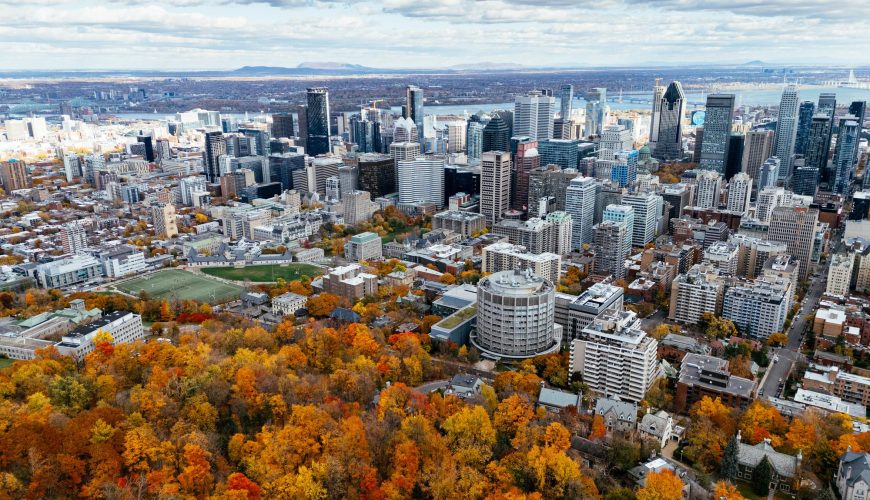
- Montreal: Canada’s most cosmopolitan city; exceptional food scene; Montreal Jazz Festival (world’s largest, late June/July); vibrant French-language culture
- Quebec City: the most European city in North America; Winter Carnival in February is the world’s largest winter festival; spectacular at any time of year
- Cabot Trail, Cape Breton: 300-km coastal loop through highlands, fishing villages and whale-watching waters; best in September/October for foliage
- Bay of Fundy: tides you have to see to believe; Hopewell Rocks at low tide; kayaking at high tide in the same spot
- Algonquin Provincial Park, Ontario: canoe tripping, moose spotting, and in October, some of the finest fall colours in the country
5. The great national parks: Banff, Jasper, Cape Breton and beyond
Canada administers 47 national parks under Parks Canada, ranging from the iconic Rocky Mountain parks to remote Arctic landscapes most visitors never reach. For a standard road trip, the Parks Canada Discovery Pass (approx. CAD 145 per adult, CAD 290 per family) pays for itself quickly if you plan to visit more than two or three parks.
| National Park | Province | Main attraction | Best season |
| Banff | Alberta | Lake Louise, Moraine Lake, Icefields Parkway | June–September |
| Jasper | Alberta | Maligne Lake, Athabasca Glacier, wildlife | June–September |
| Yoho | British Columbia | Emerald Lake, Natural Bridge, Takakkaw Falls | July–September |
| Pacific Rim | British Columbia | Tofino, Long Beach, rainforest, whale watching | May–October |
| Cape Breton Highlands | Nova Scotia | Cabot Trail, whale watching, Gaelic culture | September–October |
| Fundy | New Brunswick | World’s highest tides, Hopewell Rocks | July–September |
| Gros Morne | Newfoundland | UNESCO World Heritage Site, fjords, Tablelands | July–August |
| Bruce Peninsula | Ontario | Georgian Bay, rock formations, diving | July–August |
Kanada – Rockies Wanderungen
| Parks Canada Discovery Pass
Available online at parks.canada.ca. Camping reservations for Banff and Jasper fill weeks or months in advance for peak dates — book through reservation.pc.gc.ca as early as possible. The Moraine Lake shuttle in Banff requires advance booking; private vehicles are no longer permitted at the lake in summer. |
6. Canada by RV: freedom, practicalities and the best routes
Renting a motorhome or campervan in Canada is, for many European travellers, the definitive way to experience the country. The infrastructure is genuinely excellent: thousands of private campgrounds (KOA is the largest network), Parks Canada campgrounds in every national park, and vast areas of Crown Land in most provinces where self-contained vehicles can park for free.
Why an RV makes sense in Canada
- Maximum flexibility: change your day’s plan at any moment; no check-in deadlines
- Proximity to nature: wake up beside the lake, not in a hotel parking lot three kilometres from it
- Cost control: cooking your own meals saves significantly on long trips, particularly for families
- No luggage transfers: everything travels with you; ideal for gear-heavy outdoor trips
Practical considerations
- Driving licence: a standard EU category B licence covers most rental vehicles up to 5.5 tonnes; confirm with your rental company
- Rental companies: Cruise America, CanaDream, Fraserway and Cruise Canada all have good reputations and multilingual support
- One-way rentals: Calgary to Vancouver (or reverse) is a popular and available option; one-way fees apply but are reasonable
- Booking campgrounds: Banff and Jasper Parks Canada campgrounds require advance booking online; peak dates fill months ahead
- Bears: store all food in the vehicle or in designated bear caches; never leave food unattended; carry bear spray (buy it in Canada — it cannot be taken on aircraft)
- Dump stations: greywater and cassette disposal stations are available at all Parks Canada campgrounds and most private sites
| Best first-time RV route in Western Canada
Calgary pickup → Banff (2 nights) → Icefields Parkway → Jasper (2 nights) → Kamloops → Kelowna/Okanagan (1 night) → Vancouver one-way return. Allow 10–12 days. This route uses the one-way rental option and covers all the iconic Western highlights without backtracking. |
7. Group tours versus independent travel: which is right for you?
Organised group tours — who they suit
Many European operators including TUI, DERTOUR, Gebeco and specialist Canada travel companies offer pre-packaged coach and small-group tours. These work well for travellers visiting Canada for the first time who want to minimise planning effort; older travellers who find a fixed schedule reassuring; solo travellers looking to meet people; and anyone who wants to see the maximum number of highlights in a limited time. The trade-off is straightforward: less spontaneity, shared schedules and, for longer trips, a higher per-day cost than self-organised travel.
Independent self-drive — who it suits
Independent road tripping — by rental car or RV — is the natural choice for the majority of Canada-bound travellers from Europe. The road network is superb, signage is clear, distances are manageable with some planning, and the freedom to stop wherever the light is good or stay an extra day beside a lake that turned out to be unexpectedly beautiful is, for most people, what they came for. A standard EU driving licence is recognised throughout Canada; an International Driving Permit is recommended but not legally required in most provinces.
8. How much time do you need? Honest assessments by trip length
| Duration | Recommended route | What is realistic |
| 7–10 days | Western Canada compact: Calgary–Banff–Jasper–Vancouver | Rocky Mountains intensively; Vancouver briefly; no RV |
| 14 days | Classic Western loop or complete Eastern circuit | Ideal minimum for one region; comfortable pace |
| 21 days | West + Vancouver Island OR East with Atlantic provinces | Relaxed exploration of one region with excursions |
| 28 days+ | East + West combined or specialist route (Yukon, Maritimes) | Dream duration; two full regions; RV ideal |
| 3 months | Coast to coast or deep regional immersion | Working Holiday Visa (under 35); slow travel at its best |
Three weeks is the threshold at which most travellers report feeling genuinely satisfied with a Canada trip. Below that, you are making hard choices and feeling the pressure of distance. With three weeks or more, you can afford the extra afternoon at a lake, the unplanned detour to a viewpoint you spotted from the highway, and the slower morning that turns out to be the one you remember best.
9. Events and festivals worth planning around
Canada’s calendar offers compelling reasons to travel at specific times of year. Planning around one of these events adds a dimension to a trip that pure landscape travel cannot provide.
| Event | Location | When | Why it matters |
| Calgary Stampede | Calgary, Alberta | July (10 days) | World’s largest rodeo; parade, concerts, midway, Western culture at full intensity |
| Montreal Jazz Festival | Montreal, Quebec | Late June/July | World’s largest jazz festival; 500+ concerts, many free; transforms the city |
| Canada Day | Ottawa (best); nationwide | 1 July | National day; Parliament Hill fireworks; particularly special in the capital |
| Quebec Winter Carnival | Quebec City | February | World’s largest winter carnival; ice sculptures, night parades, canoe racing on the St Lawrence |
| Fall Colours Season | Ontario, Quebec, Maritimes | October | Two to three weeks of extraordinary maple colour; Algonquin, Cabot Trail, Laurentians |
| Maple Syrup Season | Quebec | March–April | Sugar shack season; taste fresh syrup direct from the bush; a genuinely unique experience |
| Northern Lights Season | Whitehorse, Yukon | August–April | Canada’s best aurora viewing; dedicated dark-sky tours; transformative experience |
| Whale Watching | Tofino BC; Telegraph Cove BC | March–October | Humpbacks, orcas, grey whales and minkes; guided boat tours from multiple points |
Arriving in the Algonquin Provincial Park on the first weekend of October, when the sugar maples are at their absolute peak and the morning mist sits on the lakes, is one of those travel experiences that recalibrates your sense of what the natural world can look like.
10. Entry requirements: eTA, passport and customs
Citizens of Germany, Austria and Switzerland do not need a visa for tourist visits to Canada of up to six months, but they do need an Electronic Travel Authorization (eTA) when arriving by air.
| Document | Details |
| eTA (Electronic Travel Authorization) | Mandatory for air arrivals from visa-exempt countries including Germany, Austria and Switzerland. Cost: CAD 7. Apply online at canada.ca/eta. Processing usually takes minutes but can take up to 72 hours. Always apply at least one week before departure. |
| Passport | Mandatory; must be valid for the full duration of your stay. National identity cards are not accepted. |
| Length of stay | Tourists may stay up to six months without a visa; actual permitted duration is at the discretion of the border officer |
| Working Holiday (IEC) | Open to travellers aged 18–35 from Germany and other eligible countries; allows working and travelling for up to two years |
| Customs | Alcohol: up to 1.5 litres duty-free; tobacco: up to 200 cigarettes. Food items are strictly controlled — declare everything and be prepared to surrender fresh produce, meat and dairy |
| CBSA Declaration App | Pre-register your trip on the Canadian Border Services Agency app to speed up arrival processing |
11. Health, wildlife safety and travel insurance
Vaccinations and health risks
- No mandatory vaccinations for entry from Europe
- Recommended: up-to-date standard immunisations (tetanus/diphtheria, measles, hepatitis A and B)
- Rabies: vaccination recommended for travellers planning extensive time in remote wilderness areas
- Tick-borne encephalitis: relevant in some forested areas of Ontario and Quebec; DEET-based repellent and tick-check routine advised
- Altitude: Banff townsite sits at 1,383 m and the Icefields Parkway reaches over 2,000 m; some visitors experience mild altitude adjustment in the first day or two
Wildlife safety — bears
Bears are a real consideration in national parks and any wilderness area in Canada. The rules are straightforward but must be taken seriously: carry bear spray (purchase in Canada; it cannot be carried on aircraft) and know how to use it; make noise when hiking through dense forest; store all food and scented items in your vehicle or in park-provided bear caches when camping; never approach or feed bears. The vast majority of bear encounters are brief and uneventful — the animals are wild and generally uninterested in humans — but complacency is the main risk.
Travel insurance — not optional
Canada has no reciprocal healthcare agreement with any European country. Medical treatment as a foreign national can cost tens of thousands of Canadian dollars. Comprehensive travel insurance with medical evacuation cover is not a nicety — it is essential. Look for a minimum of EUR 10 million medical cover, repatriation included and a low or zero excess. Ensure your policy covers any activities you plan, including hiking, cycling and water sports.
12. Best time to visit: every season has a case
| Season | Western Canada | Eastern Canada | Special considerations |
| June–August (Summer) | Peak season; all parks open; 15–28°C | Warm, festivals, cities at their liveliest | Book everything early; most expensive; worth it |
| September–October (Autumn) | Quieter; Banff foliage in September | Spectacular fall colours in October (Ontario, Quebec) | Best-kept secret: fewer visitors, lower prices, extraordinary light |
| November–March (Winter) | World-class skiing (Whistler, Banff); can reach -25°C | Quebec Winter Carnival; Ottawa’s Rideau Canal ice rink | Yukon Northern Lights at their peak; cold but magical |
| April–May (Spring) | Parks re-open gradually; snowmelt in progress | Maple syrup season in Quebec; nature awakening | Quieter and cheaper; weather unpredictable but rewarding |
Autumn in Eastern Canada deserves special attention. Travelling through Algonquin Provincial Park or driving the Cabot Trail in Cape Breton during the peak of the fall colour season — typically the second or third week of October — is one of the most visually extraordinary road trip experiences available anywhere in the world. The temperatures are still pleasant (10–18°C), the mosquitoes are gone, the campgrounds are half-empty and the prices are lower than the summer peak. It is one of Canada’s genuinely undersung highlights, and the travellers who discover it rarely stop talking about it.
Canada does not reward rushing. It rewards the traveller who builds in an extra day at a lake that turned out to be too beautiful to leave, who takes the back road because the map suggested it might be interesting, who wakes up at five in the morning to see what the light does to the mountains before anyone else arrives. The logistics are straightforward; the planning guide is in your hands. What Canada asks in return is simple: show up with time, with patience and with the willingness to be astonished.

Comment (0)