




ANDALUCIA TRAVEL GUIDE | SPAIN | ALHAMBRA | FLAMENCO | SHERRY
Andalucia: Spain’s Soul — The Complete Travel Guide for International Visitors
The Alhambra. The Mezquita. Flamenco in Seville. Sherry in Jerez. White villages on clifftops. Three thousand years of civilisation concentrated in Europe’s southernmost corner. This is what you came to Spain to find.
Andalucia is where Europe ends and something older begins. The southernmost region of Spain, separated from Africa by only 14 kilometres of water at the Strait of Gibraltar, spent nearly eight centuries under Moorish rule — from 711 CE when the Arab and Berber armies crossed from Morocco until 1492 when Granada, the last Moorish kingdom, fell to Ferdinand and Isabella. Those eight centuries left an architectural, cultural and culinary inheritance unlike anything else in Europe: the Alhambra palace in Granada, the Great Mosque in Córdoba, the street plan and naming conventions of hundreds of towns, the flavours of saffron and cumin and orange blossom water that still define Andalusian cooking.
For visitors from the Americas, Australia, Japan and Asia making the transatlantic or long-haul journey to Europe, Andalucía offers something that northern and central Europe — for all their qualities — rarely deliver: warmth. Not just the climate warmth (though Andalucía is Spain’s hottest region, with Seville regularly recording 44°C in July), but the social warmth of a culture that values human interaction in public spaces, that has kept the tradition of the shared evening meal and the extended family gathering and the spontaneous music session in a way that most modernised societies have lost.
This guide is written for first-time visitors from outside Europe who want to understand what Andalucía is, why it matters, and how to plan a trip that does it justice. On sportmeeting.de you will find organised tours and round trips through Andalucía from Germany’s leading specialist operators — bookable for international visitors alongside German-speaking travellers.
In this guide
- Why Andalucia is unlike anywhere else in Europe
- The big picture: geography, history and three civilisations
- Granada and the Alhambra: the palace that defines a continent
- Córdoba and the Mezquita: Islam and Christianity sharing one building
- Seville: flamenco, tapas and the world’s largest Gothic cathedral
- The white villages: Ronda, Arcos and the mountain pueblos
- Jerez: sherry, horses and the birthplace of flamenco song
- The coast: Costa del Sol and the wild Atlantic
- Food and wine: what to eat and drink in Andalucía
- Practical planning: the Andalucía itinerary
- Getting to Andalucía from the Americas, Australia and Asia
- When to visit: avoiding the heat, finding the festivals
- Touring Andalucía: operators and organised travel
- Plan your Andalucía trip on sportmeeting.de
1. Why Andalucia is unlike anywhere else in Europe
Most European regions have one civilisation’s mark on them. Andalucía has three clearly legible layers: the Roman (Itálica, the first Roman city in Spain, was founded near Seville in 206 BCE; Córdoba was the capital of the Roman province of Baetica; Seneca, the Stoic philosopher, was born there), the Moorish (750 years of rule that produced the Alhambra, the Mezquita, the concept of the patio garden, the words ‘alcohol’, ‘algebra’, ‘algorithm’ and ‘zero’ introduced to Europe through Arabic scholarship, and the agricultural system of irrigation that still waters the orchards of the Guadalquivir valley), and the Spanish colonial (Seville was the administrative capital of Spain’s American empire; the gold and silver of the New World arrived here first; the population of the Americas was governed from here for two centuries).
Understanding these three layers transforms a visit to Andalucía from sightseeing into something more interesting: a legible history of how Europe absorbed and was changed by the civilisations that surrounded it. The Alhambra is not just a beautiful building. It is the physical evidence of a Muslim court culture at its most refined, built in the 13th and 14th centuries by rulers who knew their time in Spain was ending and who put everything into the palaces they were going to lose. The Mezquita in Córdoba is not just an architectural curiosity. It is the physical evidence of what happens when one civilisation builds directly over another — and sometimes, against everyone’s expectations, the result is beautiful.
When you leave Andalucía you will know something about the relationship between Islam and Christianity and Judaism in medieval Europe that no book can teach as well as standing in the Alhambra or the Mezquita. That is the real value of coming here.
2. The big picture: geography, history and three civilisations
| Period | What happened | What remains |
| Phoenician/Greek (9th–3rd c. BCE) | Coastal trading settlements; Gadir (modern Cádiz, one of Europe’s oldest cities) | Cádiz old town; Phoenician tombs in Seville Archaeological Museum |
| Roman (206 BCE–5th c. CE) | Province of Baetica; Itálica (Seville environs); Córdoba as provincial capital; Seneca and Lucan born here | Itálica archaeological site; Roman bridge Córdoba; Alcántara aqueduct remains |
| Visigoth (5th–8th c. CE) | Germanic rulers after Rome’s collapse; Christian Iberia | Limited surviving architecture; religious sites |
| Moorish (711–1492 CE) | Arab-Berber conquest; 8 centuries of rule; Caliphate of Córdoba at its peak (10th c.) the most sophisticated court in Europe | Alhambra; Mezquita; Medina Azahara (Córdoba); Alcázar Seville; irrigation systems; language |
| Reconquista and colonial Spain (1492–19th c.) | Christian kingdoms reconquer; 1492: fall of Granada; Columbus sails from Palos; Seville controls American empire | Cathedrals built over mosques; Archive of the Indies; colonial art in museums |
Andalucía covers 87,268 square kilometres — larger than Portugal — and has approximately 8.5 million inhabitants. Its landscape ranges from the Sierra Nevada (the highest mainland mountain range in Spain, with peaks above 3,400 metres that hold snow until June) to the Guadalquivir delta (the Doñana National Park, the largest nature reserve in Spain and a UNESCO World Heritage Site, home to the last wild Iberian lynx population). Between mountain and delta: olive groves that produce a significant share of the world’s olive oil, vineyards that produce sherry, and the white-walled towns that have become the visual shorthand for southern Spain.
3. Granada and the Alhambra: the palace that defines a continent
Granada sits at the foot of the Sierra Nevada, two hours east of Seville and three hours north of Málaga. It is a university city — the University of Granada has 80,000 students in a city of 232,000 — which gives it an energy that larger but less academic Andalusian cities lack. The old Moorish quarter, the Albaicín, faces the Alhambra across a ravine and is itself a UNESCO World Heritage Site: a neighbourhood of whitewashed houses, narrow lanes, carmen gardens (walled courtyards with flower beds) and tea houses that retain the character of the Moorish city more completely than any other neighbourhood in Spain.
But people come to Granada for one reason: the Alhambra.
| The Alhambra — Granada, UNESCO World Heritage Site
The Alhambra (from the Arabic al-Hamrā, ‘the red one’, for the colour of its clay walls) is the most visited monument in Spain and one of the most remarkable buildings on Earth. Built primarily in the 13th and 14th centuries by the Nasrid dynasty — the last Muslim rulers of Spain — it consists of three main parts: The Alcazaba (fortress): The oldest section, dating from the 9th century and rebuilt by the Nasrids; the Torre de la Vela offers the best views of Granada, the Albaicín and the snow-capped Sierra Nevada. The Nasrid Palaces (Palacios Nazaríes): The reason you are here. Three connected palace complexes built over 150 years, each more elaborate than the last. The Palacio de Comares contains the Throne Room, where the ceiling — 18 metres above the floor — represents the seven heavens of Islamic cosmology in inlaid cedar wood. The Palacio de los Leones contains the Fountain of the Lions (12 marble lions supporting a basin) and the Hall of the Abencerrajes, whose ceiling stalactite stucco (muqarnas) is considered the pinnacle of Nasrid decorative art. The light in these rooms changes with the time of day in ways that reward patience. The Generalife: The summer gardens of the Nasrid kings; terraced gardens with cypress trees, roses and the sound of water from channels and fountains that the Nasrids ran through every garden as a symbol of paradise. PRACTICAL CRITICAL NOTE: Tickets to the Nasrid Palaces must be pre-booked. In high season (April–October), tickets are often sold out weeks in advance. Book at alhambra.es — there is no reliable way to get same-day tickets at the gate. Your entry slot for the Nasrid Palaces is fixed; arriving late means forfeiting your entry. |
| Granada tapas culture
Granada has maintained the tradition of free tapas with every drink order longer and more generously than any other Andalusian city. Order a beer or wine in almost any bar in the old city and you will receive a small plate of food — escalivada, jamón, patatas, whatever the kitchen has made — at no charge. This is not a tourist gimmick; it is how Granadinos socialise and eat. Budget accordingly: in Granada, you rarely need to order food separately. |
4. Córdoba and the Mezquita: Islam and Christianity sharing one building
Córdoba is a three-hour drive or two-hour train journey west of Granada — smaller than Seville, quieter than Granada, and home to the single building that most dramatically encapsulates the layered history of Andalucía.
| The Mezquita-Catedral — Córdoba, UNESCO World Heritage Site
The Great Mosque of Córdoba was begun in 785 CE by Abd al-Rahman I on the site of a Visigoth church (which had itself been built on the site of a Roman temple). Expanded by four successive rulers over two centuries, it eventually covered 23,400 square metres and could accommodate 40,000 worshippers. At the peak of the Caliphate of Córdoba in the 10th century, this was one of the most sophisticated cities in the world — its libraries, scholars and medical schools rivalled anything in Baghdad or Constantinople. What you see today: 856 columns of marble, onyx, jasper and granite supporting a forest of double-arched arcades in alternating red brick and white stone — a space that has no equivalent in European architecture, and that causes visitors who have been to every major Gothic cathedral in Europe to stop in silence when they enter it. The cathedral in the middle: In 1523, King Charles I of Spain authorised the construction of a Renaissance cathedral in the centre of the mosque. He later regretted it, reportedly telling the canons: ‘You have destroyed something unique to build something ordinary.’ The result — a full Renaissance church rising through the roof of an 8th-century mosque — is architecturally troubling and somehow magnificent simultaneously. The Jewish Quarter (Judería): Córdoba’s medieval Jewish quarter surrounds the Mezquita; the 14th-century synagogue is one of only three surviving medieval synagogues in Spain. A statue of Maimonides, the 12th-century Jewish philosopher and physician born in Córdoba, stands in the plaza outside. MAY FESTIVAL TIP: Córdoba’s Festival of the Patios (Concurso de los Patios) in early May is one of Spain’s most beautiful traditions: private homeowners open their flower-filled interior courtyards to visitors and compete for the most beautiful patio. Entry is free; the city becomes an open-air garden for two weeks. |
5. Seville: flamenco, tapas and the world’s largest Gothic cathedral
Seville is the capital of Andalucía and its most theatrical city. It is the city that produced Carmen (Bizet’s opera, set entirely in Seville, has been performed more often than any other opera in the standard repertoire), Don Juan (the archetypal seducer, a literary creation born from Seville), and the most extravagant religious procession in Europe: the Semana Santa (Holy Week), when 60 brotherhoods carry elaborately decorated floats through the city’s narrow streets for six consecutive days and nights, accompanied by thousands of penitents in pointed hoods that foreign visitors invariably find alarming until they understand their pre-Ku Klux Klan origin.
The Cathedral and the Giralda
Seville Cathedral, begun in 1401 on the site of the city’s former Great Mosque, is the largest Gothic cathedral in the world and the third-largest church of any kind after St Peter’s in Rome and St Paul’s in London. Its construction took over a century; the result is a building of overwhelming scale and darkness, with side chapels each the size of a normal church. Columbus is buried here — or at least his remains were moved here from Cuba in 1898, although Seville and Santo Domingo in the Dominican Republic both claim the authentic burial. The Giralda, the cathedral’s bell tower (originally the mosque’s minaret, converted in 1568), is 104 metres tall and accessible via 35 ramps rather than stairs — the muezzin originally rode a horse to the top to make the call to prayer.
The Royal Alcázar
The Royal Alcázar of Seville is the oldest royal palace still in use in Europe — the Spanish royal family uses it as their official Seville residence during state visits. Built in the 14th century by Christian king Pedro I who employed Moorish craftsmen from Granada, the palace is the finest example of Mudéjar architecture in Spain: a Christian palace built in the Islamic style, with tile work, carved stucco and geometric ceiling patterns that compete with the Alhambra in technical perfection.
Flamenco in Seville
Flamenco — the singing (cante), dancing (baile) and guitar playing (toque) that originated in Andalucía among the Roma, Arab and Jewish communities of southern Spain — is not a tourist show in Seville. It is a living art form practised daily in neighbourhood clubs (peñas flamencas) that are not listed in guidebooks and not marketed to visitors. The tourist tablaos (Casa de la Memoria, El Arenal) offer professionally staged performances that are genuinely good; the more adventurous visitor who asks a local to suggest a peña will occasionally stumble into something unmistakably real.
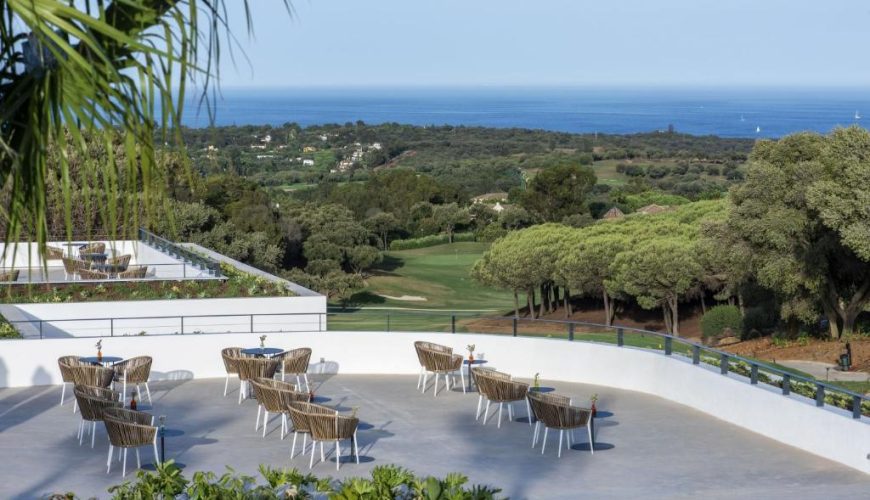
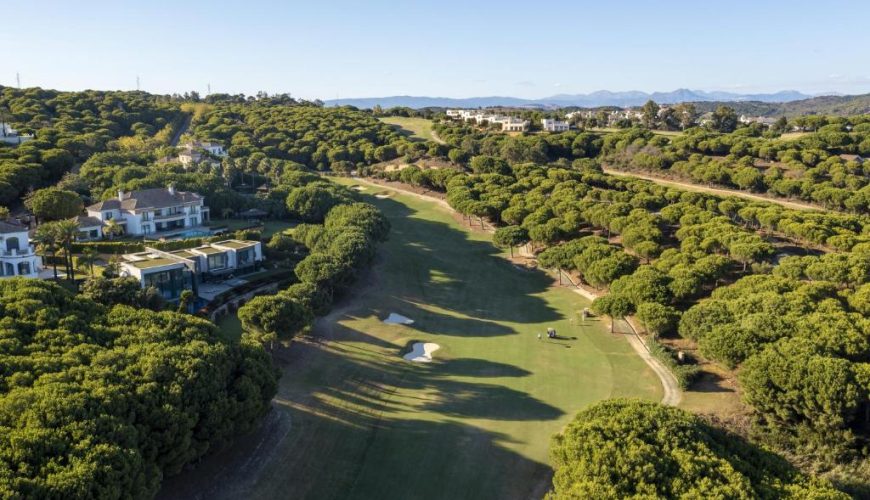
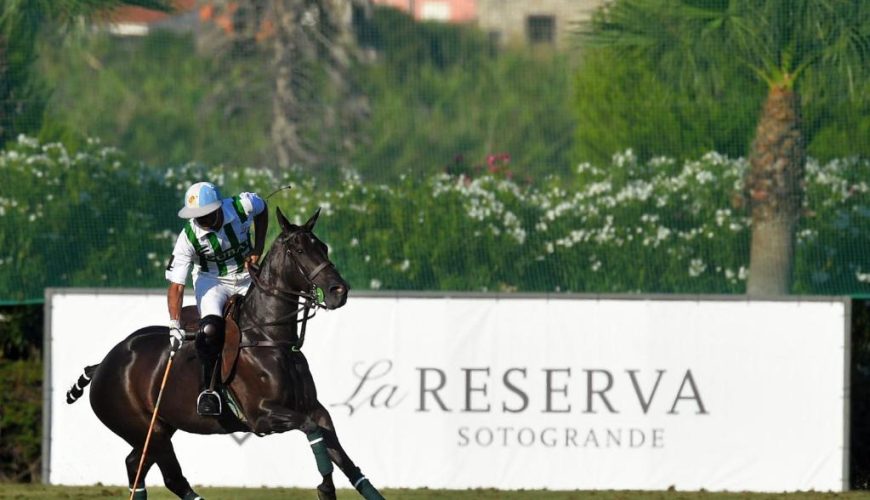
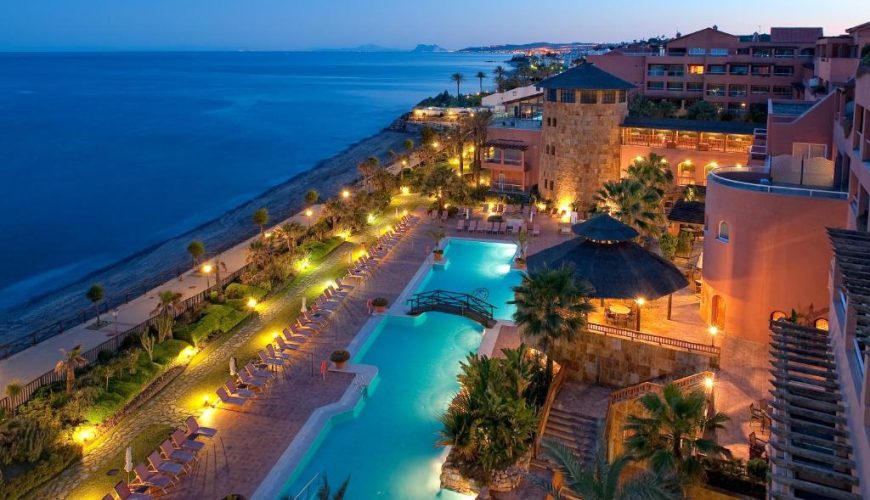
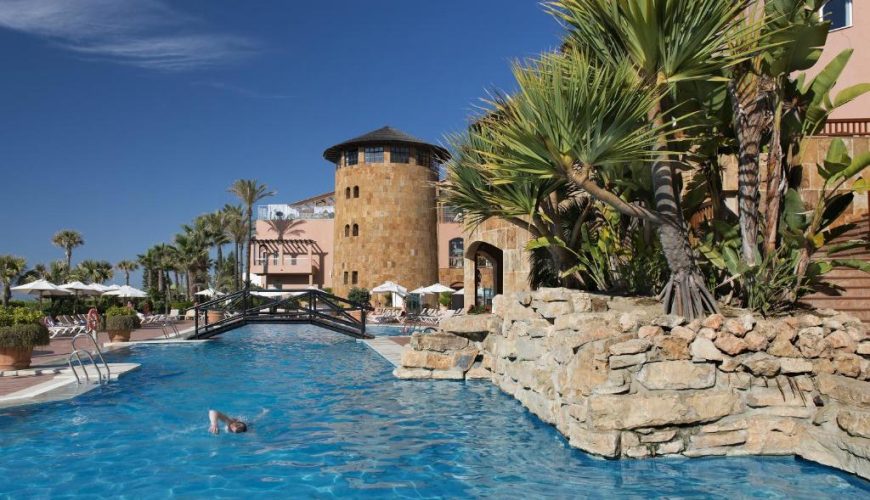
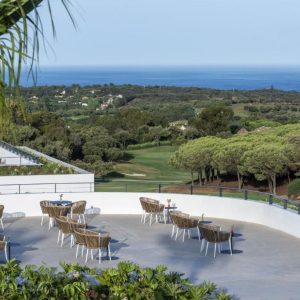
Sotogrande: Europe’s Premier Golf and Lifestyle Resort on Spain’s Costa del Sol
6. The white villages: Ronda, Arcos and the mountain pueblos
The mountain villages of the provinces of Cádiz and Málaga — the pueblos blancos, the white towns — are the Andalucía that exists between the famous cities. They are built on hilltops and cliff edges for defensive reasons (the position was everything in a landscape that changed hands repeatedly between Muslim and Christian forces for eight centuries) and painted white for the practical reason that lime whitewash reflects heat and acts as a mild disinfectant. The result, from a distance, is a landscape that looks like someone has scattered sugar cubes across the mountain ridges.
| Village | What makes it special | Practical note |
| Ronda | Built on a mesa divided by the 100-metre Tajo gorge; the Puente Nuevo bridge (1793) spanning the gorge is one of the most photographed sights in Spain; Ernest Hemingway set scenes from ‘For Whom the Bell Tolls’ here | 2.5 hours from Málaga by car; day trip possible; stay overnight to experience the village after tourist buses leave |
| Arcos de la Frontera | The most dramatically sited of the white towns — on a narrow ridge above the Guadalete reservoir; the alley around the church at the ridge’s tip is barely wide enough for one person | 1.5 hours from Jerez; base for exploring the surrounding Sierra de Grazalema Natural Park |
| Zahara de la Sierra | One of the smallest and most beautiful; a Moorish castle tower above a turquoise reservoir; the whole village looks painted onto the cliff | Excellent base for Grazalema park hiking; El Gastor and Montecorto nearby |
| Setenil de las Bodegas | Houses literally built under overhanging rock faces that serve as roofs and walls; unlike anything else in Spain or Europe | Day trip from Ronda (15 minutes); eat a meal in the cave-like restaurants under the rock |
| Frigiliana | Most-visited white village of the Costa del Sol hinterland; 30 minutes from Nerja; the ceramics trail through the upper village tells the history of the Moorish expulsion in tiles | Easily combined with a Nerja visit; the upper village rewards early morning arrival |
7. Jerez: sherry, horses and the birthplace of flamenco song
Jerez de la Frontera is the city that gave the world sherry — the English word is a corruption of ‘Jerez’, via ‘Sherish’ (the Moorish name for the city). The fortified wine produced in the chalky albariza soils around Jerez — from the Palomino grape, aged in American oak barrels under a living layer of yeast called flor — ranges from the bone-dry Fino and Manzanilla (the aperitif wine of Andalucía, drunk ice-cold with jamón and olives) to the rich, dark Pedro Ximénez (a dessert wine of extraordinary complexity). Visiting a bodega here is not optional for any serious visitor.
- González Byass (Tío Pepe): The most famous sherry house and the most beautiful bodega; the cathedral of sherry; signed bottles by famous visitors fill the walls; excellent guided visits with tastings
- Lustau: Smaller; more specialist; the bodega that educated the world’s wine writers about sherry’s range; their range of single-vineyard almacenista sherries is outstanding
- Real Escuela Andaluza del Arte Ecuestre: The Royal Andalusian School of Equestrian Art performs on Thursday mornings (and more frequently in high season) — the Spanish horses of the Cartujano breed performing classical dressage to flamenco music is one of the most unusual and moving performances available in Spain
- Flamenco: Jerez is considered the birthplace of cante (flamenco song) in its most serious and traditional form — the style called cante jondo (deep song). The February/March Jerez Flamenco Festival is the most important in the world for purists
8. The coast: Costa del Sol and the wild Atlantic shore
Andalucía has two completely different coastlines that meet at Tarifa, the southernmost point of mainland Europe, where you can look across to the Rif Mountains of Morocco 14 kilometres away.
Costa del Sol (Mediterranean coast)
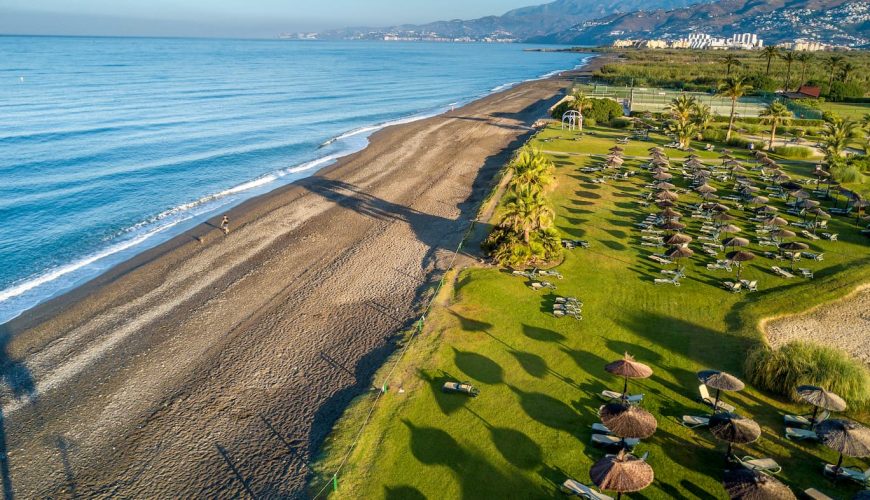
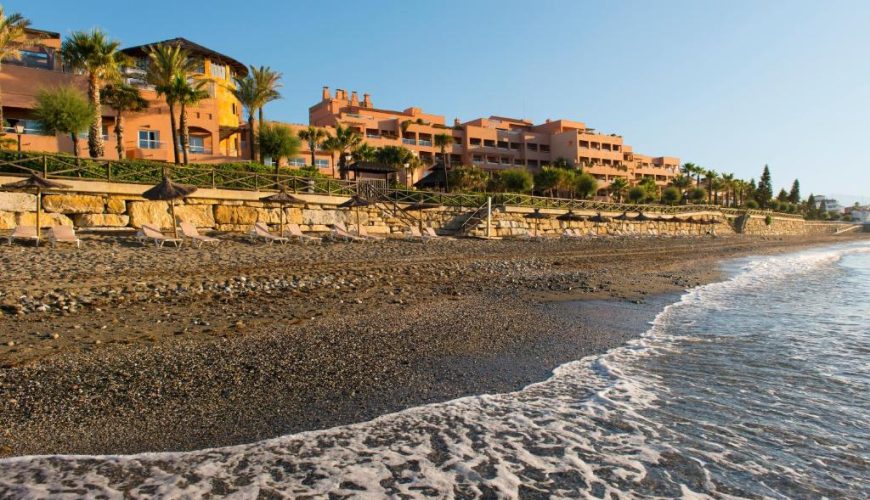
The Costa del Sol, stretching from Málaga west to Estepona and east to Nerja, is the most developed tourist coastline in Spain — 320 days of sunshine per year, beaches of grey-brown sand, a marina culture centred on Marbella and Puerto Banús, and over 70 golf courses concentrated between Málaga and Gibraltar. The infrastructure is excellent; the authenticity is limited. Marbella’s old town (separate from the coastal strip) is genuinely charming; the Paseo Marítimo in Málaga is one of the best urban seafront promenades in Spain; the cave paintings at Nerja (Cuevas de Nerja, 40,000 years old) are worth the detour.
Costa de la Luz (Atlantic coast)
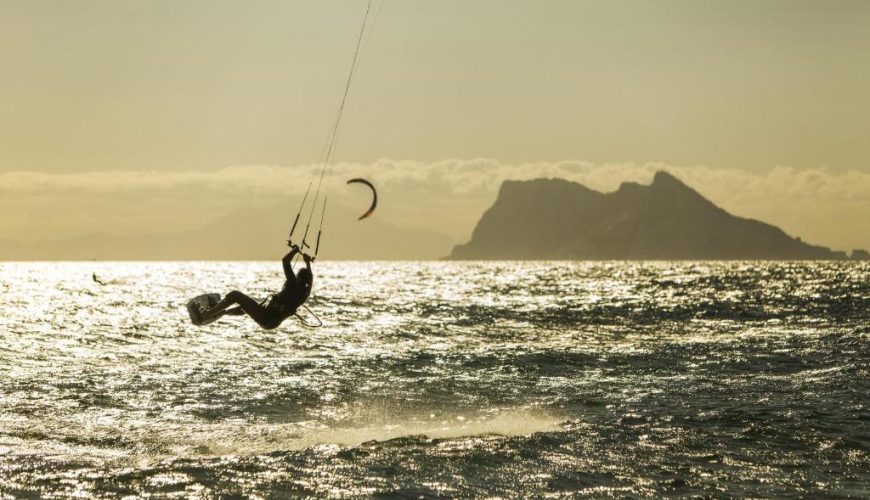
The Atlantic coast of Andalucía — the Costa de la Luz, from Tarifa north to the Portuguese border — is everything the Mediterranean coast is not: wilder, windier, less developed, with long empty beaches backed by umbrella pines, Atlantic rollers, kite surfers and flamingos in the salt marshes. Tarifa is the wind-sports capital of Europe (kitesurfing and windsurfing world championships are held here regularly). The Roman ruins of Baelo Claudia at Bolonia — a complete 1st-century Roman town preserved in sand dunes, open to the sky — are the best Roman site in Andalucía.
9. Food and wine: what to eat and drink in Andalucía
Andalusian food is built on the same three pillars that Moorish agriculture established: olive oil, wheat and wine grapes (the Moors prohibited wine but grew grapes for eating and for the non-Muslim communities; the Christian reconquest turned the vineyards to wine production). The result is a cuisine that is simultaneously Mediterranean and historically hybrid — flavoured with cumin, coriander and saffron that came with the Moors and never left.
| Dish/Drink | What it is | Where to have it |
| Gazpacho | Cold tomato-based soup; blended with cucumber, garlic, vinegar, olive oil; served iced | Everywhere in summer; the cold soup of Andalucía; best at simple local restaurants |
| Salmorejo | Thicker version of gazpacho; Córdoba’s own; topped with boiled egg and jamón | The signature dish of Córdoba; order it in any bar there |
| Jamón ibérico de bellota | Acorn-fed Iberian black-foot pig; cured 36–48 months; the finest ham in the world | Jabugo (Huelva province) is the capital of production; buy at markets |
| Pescaíto frito | Mixed fried fish and seafood; the street food of the coast; the batter is lighter than British fish and chips | Any chiringuito (beach restaurant) on the Costa de la Luz; Málaga for anchovies |
| Tapas | Small plates served with drinks; originated in Andalucía (disputed, but the culture is strongest here) | Granada for free tapas; Seville for variety; Jerez for quantity |
| Fino/Manzanilla sherry | Bone-dry, pale, yeast-influenced fortified wine; drunk ice-cold as aperitif | Every bar in Jerez, Sanlúcar de Barrameda and Cádiz; the correct drink before lunch in Andalucía |
| Vino de Málaga | Sweet wine from the Málaga denomination; Pedro Ximénez and Moscatel based; rich and complex | Wine bars in Málaga; the Antigua Casa de Guardia (opened 1840) is the oldest |
10. Practical planning: the Andalucía itinerary
Andalucía is large enough that the itinerary you choose determines the experience you have. The classic circuit — Seville, Córdoba, Granada — is 480 kilometres in a rough triangle and can be done in 7 days, though 10 days is better. Adding the white villages (Ronda, Arcos, the Grazalema circuit) requires a further 2–3 days. Adding the coast requires either a separate trip or a choice between the cities and the beach.
| Itinerary | Days | Route | Best for |
| Classic Triangle | 7–9 | Seville (3N) → Córdoba (2N) → Granada (3N) | First-time visitors; all three major monuments; no car needed |
| Classic + White Villages | 10–12 | Seville (2N) → Jerez/Ronda (2N) → Córdoba (2N) → Granada (3N) | More depth; Ronda and Jerez added; car recommended |
| Coast + Cities | 10–12 | Málaga (2N) → Ronda (1N) → Seville (2N) → Córdoba (2N) → Granada (3N) | Beach + culture combined; fly in/out Málaga |
| Deep Andalucía | 14–16 | Classic triangle + Úbeda/Baeza + Almería/Cabo de Gata + white villages | Serious cultural travel; UNESCO Úbeda/Baeza; wild Cabo de Gata coast |
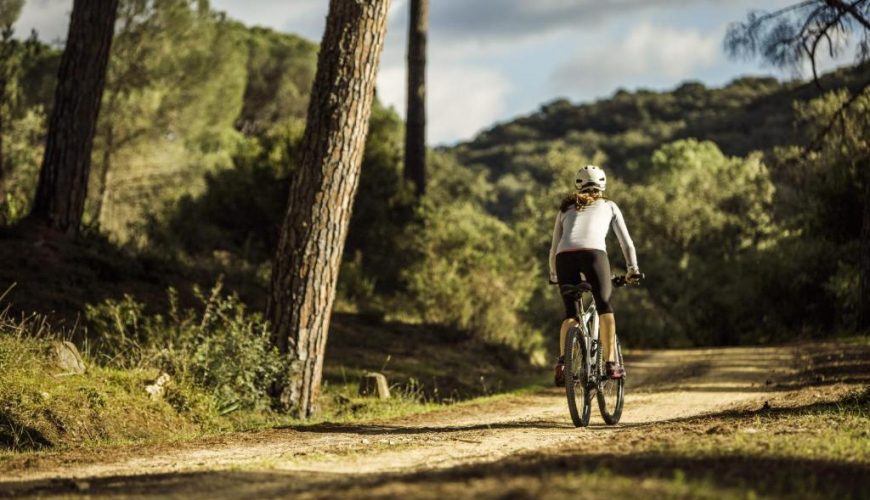
| Active/E-Bike | 8–10 | Via Verde del Aceite (Jaén) → Grazalema (white villages E-bike) → Alpujarra (Sierra Nevada) | Active travellers; cycling; Lernidee operator recommended |
| Transport: rent a car or use trains?
The AVE high-speed train connects Seville and Córdoba in 45 minutes and Seville and Málaga in 2 hours — fast enough that the classic triangle is easily done by rail. Granada is not on the high-speed network (a new line is under construction); bus services connect it to Seville (3 hours) and Córdoba (3 hours). For the white villages, a rental car is essential; there is no practical public transport to Ronda, Arcos or Grazalema that allows the flexibility to stay, explore and move on at your own pace. |
11. Getting to Andalucía from the Americas, Australia and Asia
| From | Routing | Total travel time | Best connection |
| New York (JFK/EWR) | Direct to Madrid (MAD) or via London/Paris → Málaga/Seville | 9 hrs direct to MAD + 2 hrs AVE to Seville | Iberia direct JFK–MAD daily; American Airlines; then train |
| Los Angeles (LAX) | Via Madrid or London → Málaga or Seville | 12–14 hrs + connections | Iberia via MAD; British Airways via LHR |
| Miami (MIA) | Direct to Madrid; Air Europa direct to Málaga | 9.5 hrs to MAD; or 9 hrs direct to AGP (Air Europa) | Air Europa MIA–AGP direct is the most convenient routing |
| Toronto (YYZ) | Via London, Madrid or Frankfurt → Málaga/Seville | 9–12 hrs + connections | Air Canada via LHR or MAD; Iberia via MAD |
| Mexico City (MEX) | Via Madrid (Iberia direct; 10 hrs) → Málaga or Seville | 10 hrs + 1–2 hrs connection | Iberia MEX–MAD daily; then train or connecting flight |
| Buenos Aires (EZE) | Via Madrid (Iberia direct; 12 hrs) → Málaga or Seville | 12 hrs + 1–2 hrs connection | Iberia EZE–MAD; then AVE train or flight |
| Sydney (SYD) | Via Dubai/Singapore/London/Qatar → Málaga or Madrid | 20–24 hrs total | Emirates via DXB; Singapore Airlines via SIN; Qatar via DOH |
| Tokyo (HND/NRT) | Via Paris/London/Madrid/Frankfurt → Málaga or Seville | 14–16 hrs total | Japan Airlines via MAD; ANA via FRA; Finnair via HEL |
| Singapore (SIN) | Via Frankfurt/London/Dubai → Málaga | 13–16 hrs total | Singapore Airlines via FRA or LHR |
Málaga-Costa del Sol Airport (AGP) is the most useful entry point for most international visitors: it is served by more European connections than Seville or Granada, has good ground transport to all major Andalusian cities, and places you within easy reach of the coast if you want to add beach time. Seville Airport (SVQ) is more convenient if your itinerary starts in the west; Granada Airport (GRX) for the east. For the Americas, Iberia’s connections through Madrid are generally the most straightforward.
12. When to visit: avoiding the heat, finding the festivals
| Month | Temperature (Seville) | Crowds | Key events | Verdict for visitors |
| March | 14–20°C | Low–moderate | Semana Santa (Holy Week, March/April) | Excellent; Semana Santa is unmissable if the dates work |
| April | 16–24°C | Moderate–high | Feria de Abril (Seville April Fair); Patio Festival Córdoba (early May) | Best overall; warm, festive, manageable |
| May | 20–28°C | Moderate | Patio Festival Córdoba; Jerez Horse Fair | Very good; before the heat; late May warm but manageable |
| June | 26–34°C | High | Corpus Christi processions | Hot; morning visits only; better for coast |
| July–August | 32–44°C | Very high | Few cultural events; beach season | Avoid cities; extreme heat; best for coast only |
| September | 28–35°C | High (early); moderate (late) | Vendimia (harvest) in Jerez | Early September still hot; late September comfortable |
| October | 18–26°C | Low–moderate | Columbus Day; autumn wine festivals | Excellent; ideal temperature; beautiful light |
| November–February | 10–17°C | Very low | Carnival (February); Jerez Flamenco Festival | Cool; off-peak prices; good for cities; Carnival is spectacular |
For visitors from the northern hemisphere making a specific trip to Andalucía, April and October are the months that most experienced travellers recommend. April gives you the possibility of Semana Santa (the dates change annually depending on Easter) and the Córdoba Patio Festival, comfortable temperatures and a landscape that is green and flowering before the summer desiccation. October gives you harvest season in Jerez, post-summer quiet, lower prices, and the particular quality of autumn light on white walls that Andalucía’s photographers know well.
13. Touring Andalucía: operators and organised travel
Andalucía rewards both independent and organised travel. For international visitors making a single long-haul trip to Europe, the organised tour offers practical advantages that independent travel cannot easily replicate: knowledgeable local guides who provide the historical and cultural context that transforms sightseeing into understanding; pre-booked Alhambra tickets that avoid the risk of missing the most important monument on your itinerary; and a structured itinerary that ensures you cover the distances between cities efficiently.
| Operator | Style | Group size | Best for |
| Studiosus | Cultural depth; art historian guides; academic approach | 12–20 | Visitors who want the deepest possible understanding of what they see |
| Marco Polo | Small groups; insider knowledge; off-the-beaten-track focus | 6–14 | Visitors who want to see the Andalucía that guidebooks miss |
| Hauser Exkursionen | Walking and nature; Sierra Nevada; white villages on foot | 6–14 | Active visitors who want to walk through the landscape |
| Lernidee | E-bike touring; active cultural combination | 8–16 | Cyclists and active travellers |
| Wolters/Olimar | Individual and package travel; coast + city combinations | Individual | Independent-minded visitors who want logistics arranged but flexibility kept |
14. Plan your Andalucía trip on sportmeeting.de
Andalucía rewards the visitor who gives it time. One week is enough to see the three great monuments — Alhambra, Mezquita, Seville’s cathedral — and to begin to understand what they mean. Two weeks is enough to add Jerez, the white villages, the coast and the slower rhythms of everyday Andalusian life. The itinerary you build depends on what you are looking for: the history, the food, the landscape, the music, or — for the most fortunate visitors — all of these at once. On sportmeeting.de you will find organised tours and round trips through Andalucía from Germany’s leading specialist operators, open to international visitors and bookable in English.
| Andalucía tours and round trips — find yours on sportmeeting.de
On sportmeeting.de you will find Andalucía touring programmes from leading specialist operators: • Studiosus: Deepest cultural content; art historian guides; Alhambra and Mezquita with experts • Marco Polo: Small groups; insider Andalucía; white villages and Alpujarra • Hauser Exkursionen: Walking tours; Sierra Nevada; natural parks • Lernidee: E-bike round trips; Via Verde del Aceite; Pueblos Blancos by bicycle • Wolters/Olimar: Individual arrangements; coast and city combinations All offerings directly comparable: route, duration, group size, departure dates, price. For visitors from the USA, Canada, Australia, Japan, Latin America and Asia: tours run in German with English optional; individual travel arrangements available in English. → Plan your Andalucía trip on sportmeeting.de |
You will leave Andalucía understanding something about history that you could not have understood in a museum. You will have stood in a 14th-century Moorish palace and seen the snow on the Sierra Nevada through a latticework window. You will have walked through a city where the street plan was laid down in the 9th century and the tapas bar on the corner has been open for longer than your country has existed. You will have heard flamenco — real flamenco, not the tourist version — and felt something that you will not be able to fully explain to anyone who was not there. Andalucía does this to people. sportmeeting.de helps you plan when to go.
more as 8000 tours and round trips world wide
Booking Request
- Complete Financial Safeguard: Every holiday investment is legally bonded and protected from start to finish through the German Travel Security Fund (DRSF).
Comment (0)