

Exploring the Contrasts of East Asia: A Comprehensive Guide to a Dual-Country Journey Through China and Japan
The decision to embark on a combined journey through China and Japan represents one of the most transformative travel experiences available in the modern world. This voyage transcends geographical borders, propelling travelers into a dynamic interplay between ancient imperial dynasties and sprawling, neon-lit science-fiction landscapes. While China commands attention with its monumental architectural achievements, imperial palaces, and roaring financial centers, Japan captivates through its flawless synchronization of hyper-efficient infrastructure, deeply rooted spiritual practices, dramatic mountain passes, and culinary perfection.
Navigating these two distinct civilizations within a single itinerary requires meticulous preparation, a deep understanding of regional customs, and a clear grasp of travel logistics. This comprehensive guide serves as an authoritative manual for exploring the cultural heartlands and futuristic hubs of East Asia, ensuring that your upcoming exploration is as enriching as it is seamless.
Flight Logistics, Routes, and Aviation Networks
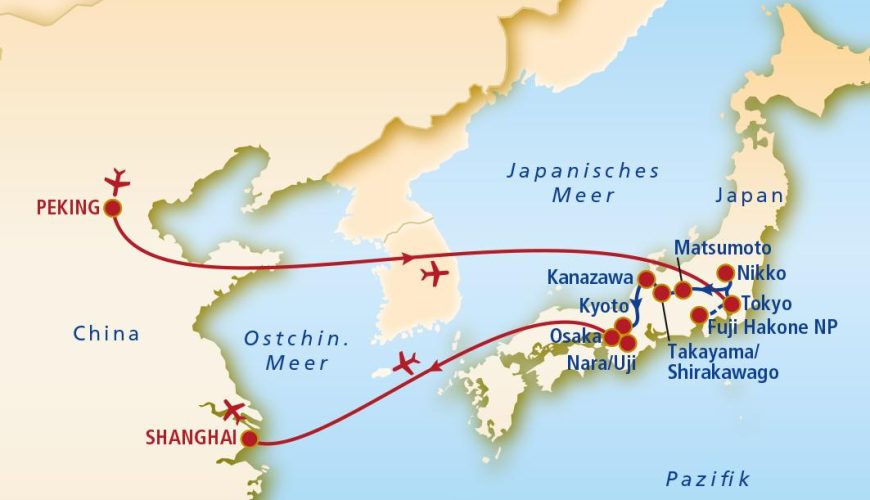
Strategic preparation begins with a clear comprehension of intercontinental aviation networks and transit schedules, which form the structural backbone of any multi-country itinerary. Travelers typically depart from major European aviation hubs such as Frankfurt or Munich aboard scheduled international flights operated by premier carriers like Air China. The initial westbound crossing over the vast landmass of Central Asia toward Beijing Capital International Airport encompasses a flight duration of roughly ten hours, depending on seasonal jet streams. Due to the significant time zone shift, flights usually arrive on the subsequent calendar day, marking the transition from European environments to the vibrant energy of the Chinese capital. Navigating the domestic segment within Germany is heavily streamlined by integrated rail networks, which permit smooth train connections directly to the airport terminal, bypassing regional highway congestion and parking complexities.
Following the initial exploration of northern China, the itinerary transitions smoothly toward the island nation of Japan. A regional flight from Beijing across the Yellow Sea to Tokyo Narita or Haneda Airport requires approximately three and a half hours of flight time, immediately introducing travelers to a starkly different urban layout and societal rhythm. After completing a circuit through the historic towns and mountain valleys of the Japanese main island, the journey redirects toward the East China Sea. Travelers board a regional flight from the Kansai international gateway near Osaka, flying roughly three hours westward to arrive at Shanghai Pudong International Airport. The final intercontinental return leg connects this futuristic coastal metropolis back to Western Europe, involving a flight duration of eleven to twelve hours against prevailing headwinds. This triangular flight path maximizes time spent on the ground while minimizing unnecessary backtracking across the continent.
Bureaucratic Requirements and Entry Regulations
Navigating two separate sovereign nations requires precise attention to passport validity, entry regulations, and health guidelines well before arriving at the departure gate. Travelers must hold a passport valid for at least six months beyond their intended departure date from Asia. While entry regulations fluctuate based on bilateral diplomatic agreements, many European nationalities benefit from streamlined temporary transit policies or short-term visa-free entry windows for tourism. However, it remains essential to verify the current status of visa requirements for both mainland China and Japan through official consular channels prior to departure to prevent boarding denials at the airport.
Health Guidelines and Medication Safety
From a health perspective, no mandatory vaccinations are legally required for entry into either destination, provided travelers are arriving directly from Western Europe. Nevertheless, medical experts strongly advise reviewing routine immunization schedules to ensure full protection against common preventable conditions. Recommended updates typically include vaccinations for hepatitis, tetanus, diphtheria, and pertussis, while individuals planning extended stays or excursions into rural farming valleys might discuss additional protections for Japanese encephalitis or rabies with a travel medicine specialist. Maintaining a well-stocked personal medical kit containing digestion aids, standard pain relievers, and sanitizing supplies is highly beneficial, as unfamiliar culinary spices and regional water compositions can occasionally challenge sensitive systems.
Furthermore, importing medication into Japan is subject to exceptionally strict legal oversight that surprises many first-time visitors. Numerous common Western over-the-counter remedies for nasal congestion, allergies, or pain relief contain stimulants or chemical compounds that are strictly classified as controlled substances under domestic Japanese law. Carrying these prohibited items without prior authorization can result in severe legal penalties, including confiscation and detention. For essential prescription medications, especially those required in large quantities or classified as strong painkillers, travelers must submit an official import certificate request to the Japanese Ministry of Health well in advance of their arrival date to secure legitimate clearance.
Initial Steps in the Chinese Capital
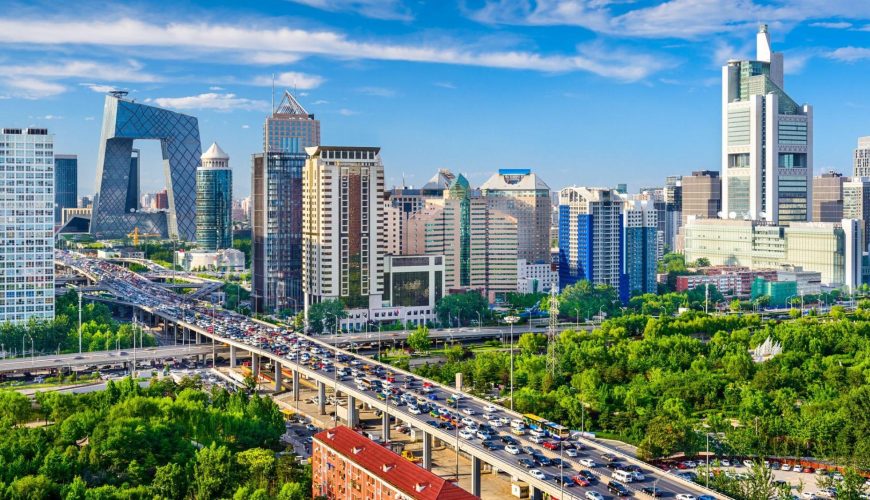
The immersive journey on the ground begins in Beijing, a sprawling political and cultural capital where centuries of dynastic rule intersect with rapid architectural development. Upon arrival, the transition from the modern airport terminal to the central districts offers a striking introduction to the sheer scale of Chinese urban design. The initial hours are intentionally designated for rest and acclimatization, allowing the body to adjust to the new time zone before diving into intensive exploration. Walking through the immediate neighborhoods surrounding the hotel provides a gentle first encounter with local daily life, from rows of traditional small shops to the aroma of regional street food.
Historical Discoveries in Peking
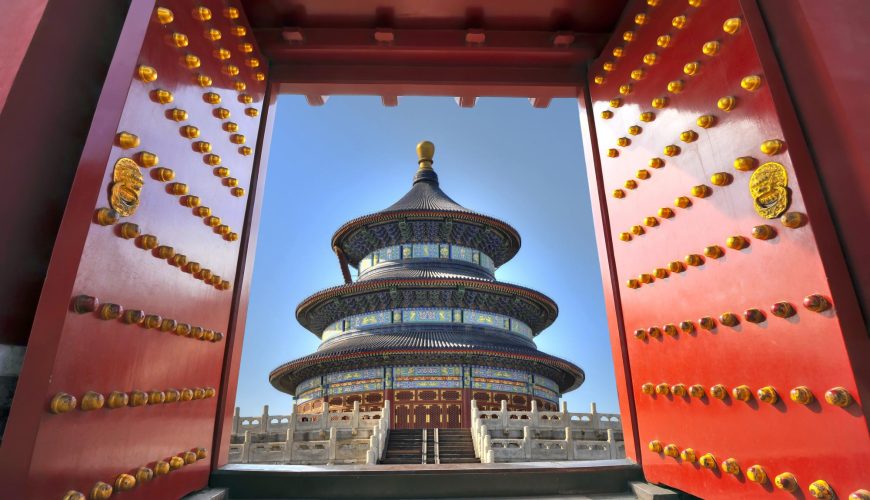
A dedicated exploration of Peking reveals the deep historical layers that defined the Ming and Qing dynasties. At the core of the city lies the monumental imperial palace complex known as the Forbidden City, which served as the exclusive realm of the emperors for five centuries. Passing through the massive crimson gates opens up an expansive landscape of paved courtyards, marble balustrades, and golden-roofed pavilions designed to reflect the cosmic order and the absolute power of the monarch. Walking through the inner halls and private residential quarters offers a profound look into the isolation and artistic sophistication of kaiserlichen court life.
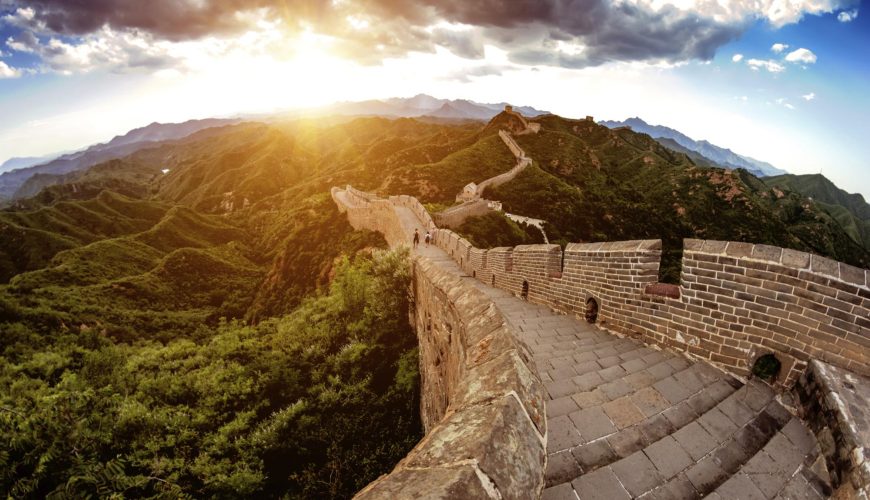
Beyond the urban center, the journey extends toward the rugged mountain ridges that flank the northern borders of the capital plain. Here, the Great Wall of China snakes dramatically across the steep peaks, standing as a testament to the engineering capabilities and defensive strategies of ancient Chinese civilizations. Climbing the stone steps of the wall reveals breathtaking panoramas of forest-covered valleys and distant watchtowers that once guarded the empire against northern nomadic incursions. Sampling a traditional lunch featuring regional specialities provides a welcome culinary interlude, refueling travelers after the physical exertion of ascending the historic ramparts.
Transition to the Modern Landscape of Tokyo
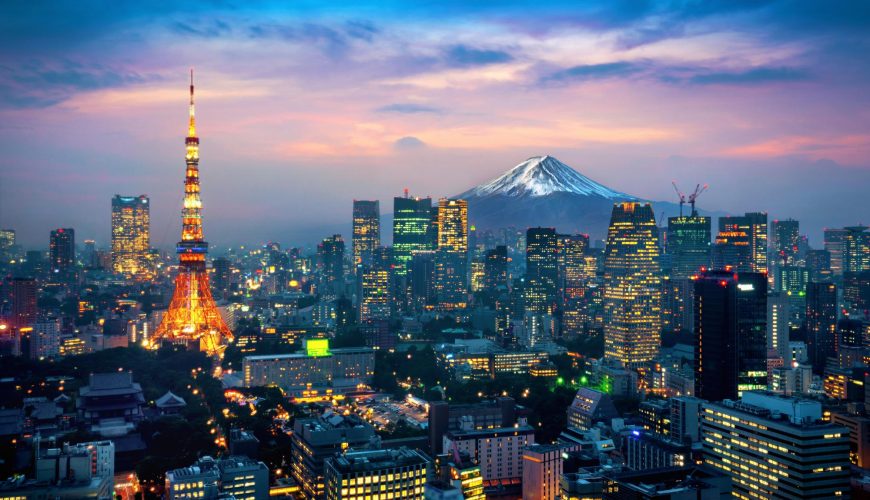
The subsequent flight across the sea brings a dramatic shift in atmosphere as travelers land in Tokyo, a mesmerizing megalopolis that effortlessly balances hyper-modern technology with quiet moments of traditional reverence. The city functions with an unparalleled level of logistical precision, visible in everything from the synchronized flow of commuter crowds to the immaculate cleanliness of the public spaces. Settle into the historic district of Ryogoku, an area deeply tied to the traditions of sumo wrestling, where modern high-rises stand alongside traditional training stables and classic eateries.
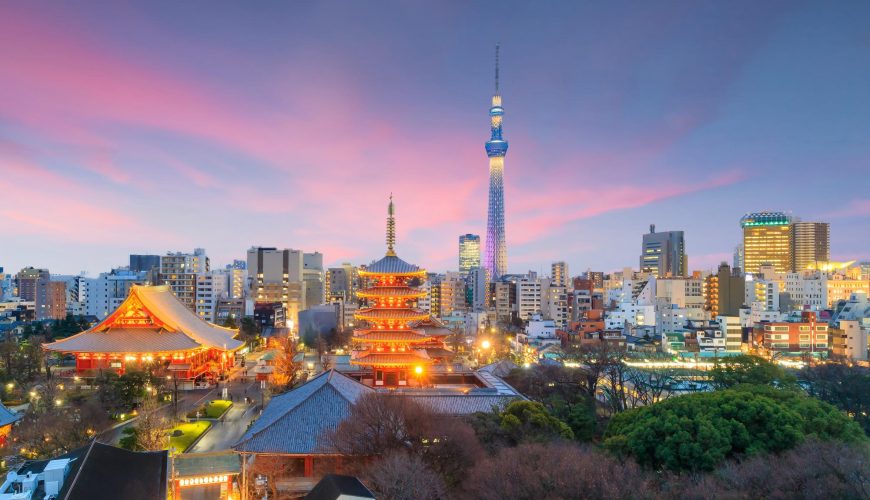
Discovering Tokyo involves navigating a tapestry of distinct neighborhoods, each showcasing a unique facet of Japanese society. The historic district of Asakusa preserves the spiritual atmosphere of older eras, anchored by the ancient Buddhist temple complex of Senso-ji. Visitors approach the main hall via a historic market street lined with small vendors selling regional crafts and sweet bean pastries, creating an sensory experience unchanged for generations. In contrast, a visit to the Meiji Shinto Shrin offers total serenity, enveloped by a massive forest of thousands of trees donated from across the nation, providing a peaceful escape from the concrete city outside. This tranquility quickly gives way to the electric energy of Akihabara and Shibuya, where towering digital billboards, multi-story electronics emporiums, and the famous multi-directional pedestrian crossing exemplify Japan’s status as a global pioneer of pop culture and technological innovation.
Deep Forestry and Spiritual Centers of Nikko
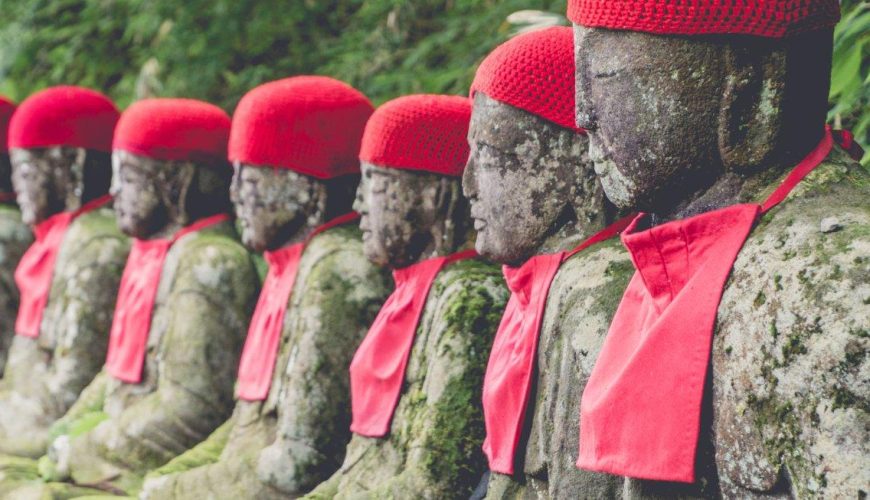
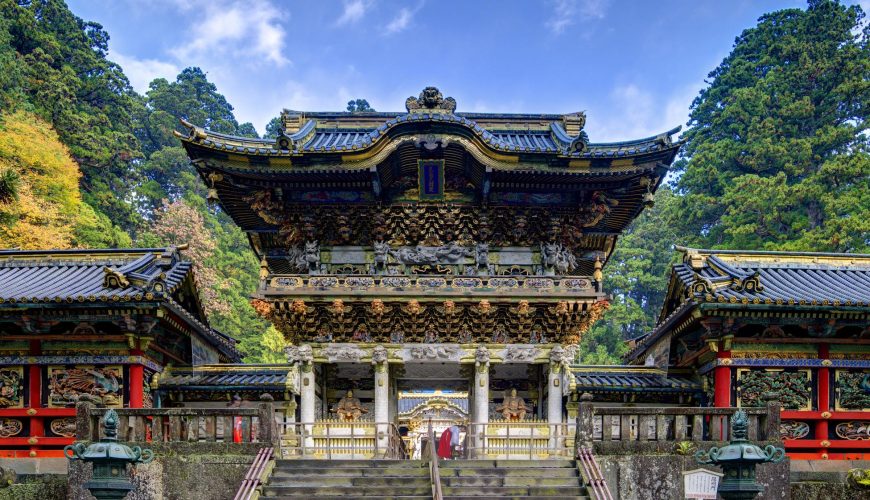
A day trip northward into the mountainous terrain of Nikko introduces travelers to the spiritual heart of traditional Japan. Nestled within dense forests of ancient cedar trees, Nikko serves as a sacred sanctuary filled with UNESCO World Heritage shrines and temple complexes. The architectural style here is notably elaborate, featuring rich gold leaf, intricate wood carvings, and vibrant lacquerwork that contrasts with the understated simplicity found elsewhere in Japanese design. The centerpiece of this mountain retreat is the Toshogu Shrine, the final resting place of the legendary Shogun Tokugawa Ieyasu, who unified the nation in the early seventeenth century. Exploring the moss-covered stone lanterns, sacred storehouses, and quiet forest pathways provides an unforgettable encounter with the artistic and political legacy of the samurai era.
Alpine Passes and Feudal Castles of Matsumoto
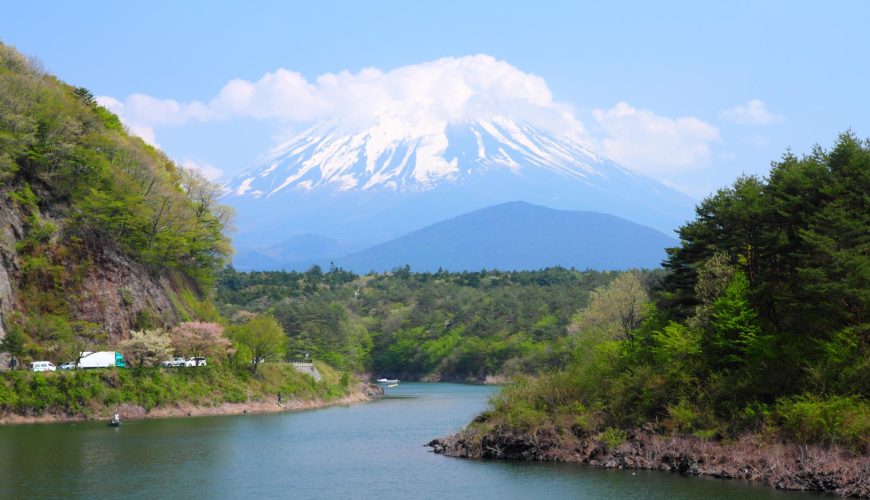
Leaving the coastal plains behind, the itinerary moves inland, ascending into the dramatic topography of the Japanese Alps. The fresh mountain air and jagged peaks frame the journey toward Matsumoto, a historic castle town situated in a picturesque alpine valley. The defining landmark of this region is Matsumoto Castle, an extraordinary fortress constructed in the late sixteenth century that retains its original wooden interior and outer stonework. Known affectionately as the Crow Castle due to its distinctive black wooden siding and elegant tiered roofs, the structure represents one of the oldest surviving original castles in Japan. Climbing the steep internal wooden stairs allows visitors to examine ancient architectural defensive mechanisms while enjoying clear views of the surrounding snowy peaks.
Isolated Merchant Towns of Takayama
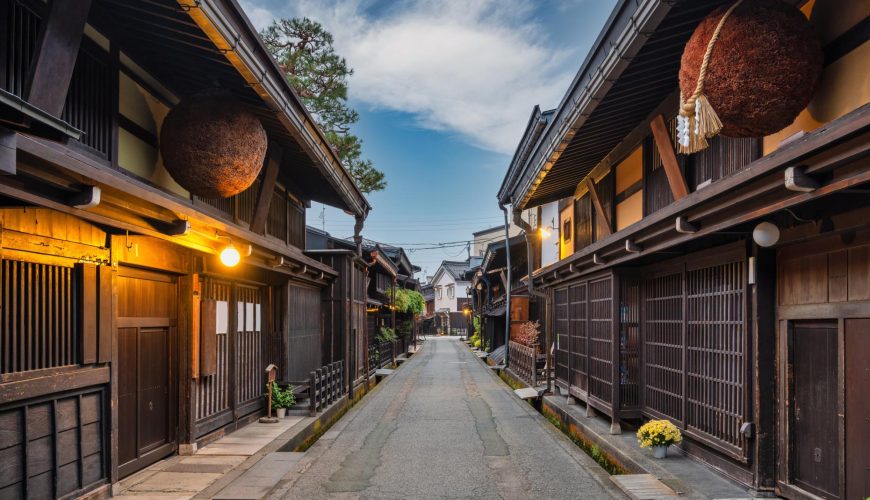
The journey continues deeper into the mountain recesses toward the beautifully preserved river town of Takayama, located in the scenic Hida region. For centuries, the isolation of this alpine valley allowed a distinct culture and exceptional woodworking heritage to flourish, independent of coastal influences. Walking through the historic district reveals narrow streets lined with dark wooden merchant houses dating back to the Edo period, many of which still function as traditional sake breweries, craft workshops, and family residences. The lively morning markets along the Miyagawa River offer an excellent opportunity to interact with local farmers, view regional agricultural products, and sample delicate mountain snacks prepared over open grills.
Architectural Mastery of Shirakawa-go and Kanazawa
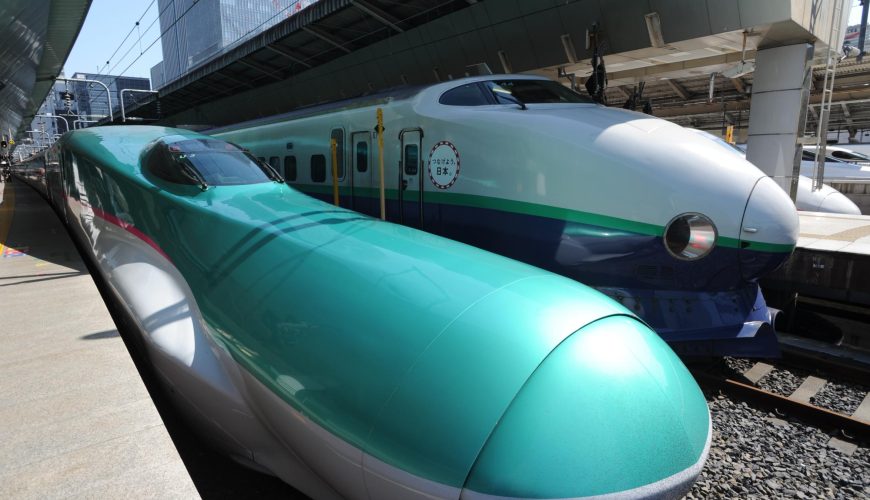
A highly scenic travel day carries travelers from the deep mountain valleys back toward the cultural capital of Kyoto, stopping at unique heritage sites along the way. First, the route reaches the isolated mountain village of Shirakawa-go, a UNESCO World Heritage site celebrated for its unique agricultural architecture. The village is famous for its traditional farmhouses built in the distinct architectural style where steep, heavily thatched roofs resemble hands folded in prayer. This design was developed entirely without the use of metal nails, utilizing flexible wooden ropes to allow the massive roofs to withstand the immense weight of heavy winter snowfalls. Moving onward toward the coastal city of Kanazawa allows a brief glimpse into an urban center that escaped wartime destruction, preserving authentic samurai residential quarters and historic geisha districts before boarding a high-speed express train bound for Kyoto.
Ancient Shrines and Gardens of Kyoto
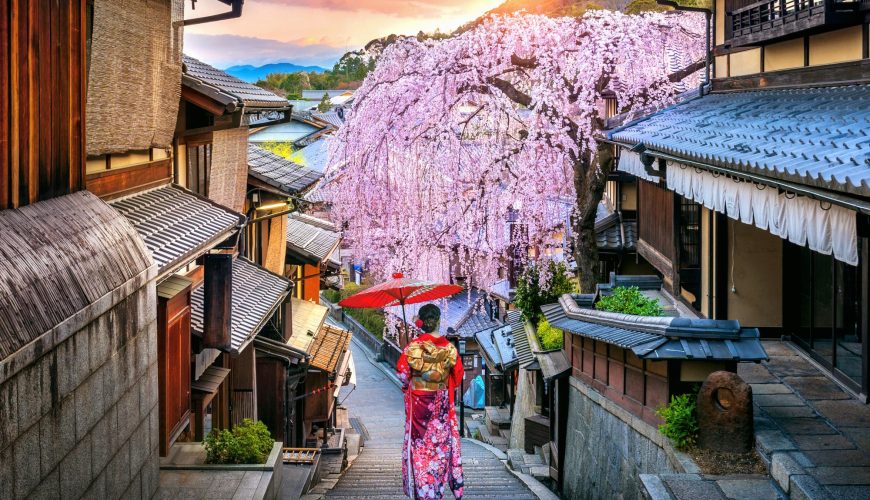
Kyoto represents the artistic, spiritual, and historical soul of Japan, having served as the kaiserlichen capital for over a millennium. Unlike the modern high-rise landscape of Tokyo, Kyoto preserves an immense collection of thousands of classical Buddhist temples, Shinto shrines, and manicured zen gardens. A guided exploration introduces the iconic Golden Pavilion, a Zen temple whose upper floors are completely enveloped in brilliant gold leaf, reflecting beautifully across the waters of a mirror-like pond. Walking through the quiet paths of ancient bamboo groves or standing beneath the endless corridors of vibrant crimson torii gates creates a profound connection to the spiritual traditions that continue to shape Japanese daily life.
Sacred Enclaves and Wildlife of Nara
An excursion south to the historic city of Nara provides an encounter with Japan’s first permanent capital, established in the eighth century. Nara is home to the monumental Todai-ji Temple, an astonishing structure that stands as one of the largest wooden buildings in the world. Inside the massive main hall, visitors look up at a giant bronze Buddha statue that required complex metal casting techniques to construct. Surrounding the temple grounds is the expansive Nara Park, where hundreds of free-roaming sika deer interact peacefully with visitors. In the Shinto faith, these deer are considered sacred messengers of the gods, and they have adapted to human presence so completely that they will politely bow their heads in anticipation of specialized rice crackers distributed by travelers.
The Dynamic Urban Evolution of Shanghai
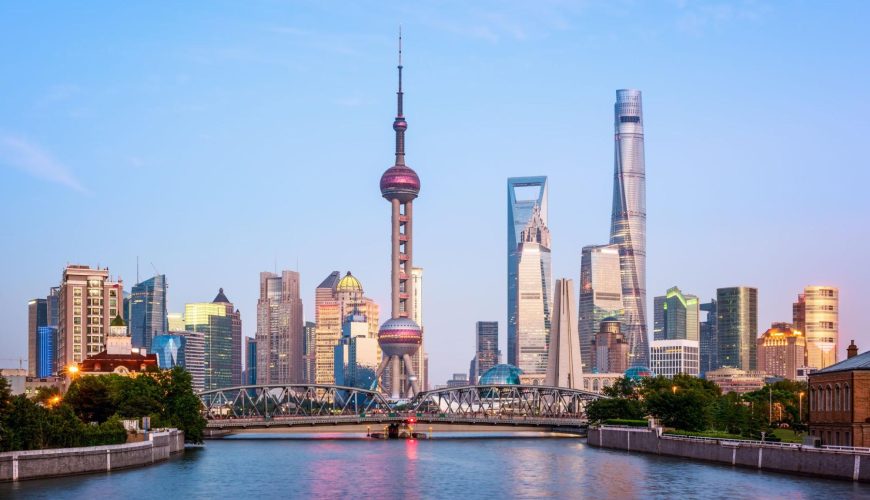
The journey undergoes another dramatic transformation as travelers transfer to Osaka for a regional flight across the East China Sea, returning to the Chinese mainland to explore Shanghai. If Beijing represents the historical anchor of China, Shanghai embodies its unstoppable momentum toward the future. Situated on the delta of the Yangtze River, this global financial hub is a dazzling display of economic power and architectural ambition. The city is bisected by the wide Huangpu River, creating a visual timeline of China’s modern evolution.
Strolling along the historic waterfront promenade known as the Bund offers a view of the grand European-style stone banks and trading houses erected during the colonial era of the early twentieth century. Directly across the river, the futuristic skyline of the Pudong district rises like a science-fiction landscape, dominated by some of the tallest and most innovative skyscrapers in the world. This contrast between old and new is further highlighted by visiting the historic Old Town and the classical Yu Garden, a peaceful sixteenth-century oasis filled with decorative rockeries, traditional pavilions, and zigzag bridges designed to ward off negative spiritual energy. Spending the final days exploring the bustling shopping avenues of Nanjing Road or wandering the narrow alleys of the artistic district allows travelers to absorb the creative energy of contemporary Chinese urban culture before embarking on the international return flight.
Behavioral Etiquette and Social Norms in Japan
To get the most out of this multi-country exploration, understanding the subtle differences in social etiquette and cultural norms between China and Japan is immensely helpful. While both nations share historical roots, their contemporary social behaviors and daily expectations differ significantly. In Japan, public spaces are governed by an overarching commitment to harmony, quietness, and mutual respect. Speaking loudly on mobile phones while riding trains or buses is considered highly inappropriate, and visitors are expected to switch their devices to silent mode immediately upon boarding. Additionally, tipping is absolutely not practiced in Japan. Leaving extra money on a restaurant table or in a taxi will cause confusion, as excellent service is viewed as a basic standard rather than an achievement requiring a financial reward.
Interaction and Digital Ecosystems in China
In contrast, navigating public life in China involves adjusting to a much more energetic, bustling rhythm where commercial interactions are highly dynamic. One of the most important concepts to understand is the preservation of personal and social dignity, often referred to as face. Raising one’s voice, expressing intense frustration publicly, or directly criticizing someone in front of others causes a serious loss of face for everyone involved. Any misunderstandings or logistical issues should always be addressed calmly and discreetly. Furthermore, while cash is increasingly rare in Japan’s traditional temples and local shops, China has moved almost entirely to a digital payment ecosystem. Traditional credit cards and paper currency are rarely used in modern Chinese shops; instead, nearly all transactions are completed via mobile applications. Visitors should download and link their international payment cards to these regional digital wallets prior to crossing the border to ensure they can easily purchase meals, souvenirs, and transport tickets.
Packing Requirements and Tactical Gear
Packing strategically for an intensive 15-day journey across varying terrain and diverse climates requires careful consideration. Because the itinerary moves between coastal mega-cities and high-altitude alpine passes, utilizing a layered clothing system is highly effective. Sturdy, well-broken-in walking shoes are absolutely necessary for navigating the extensive stairs of the Great Wall and the paved pathways of sprawling temple complexes. In Japan, shoes must be removed frequently when entering religious structures, traditional restaurants, and historic homes, making slip-on footwear an exceptionally practical choice. Ensure you pack high-quality, clean socks, as your feet will be on display regularly throughout the tour. A universal travel adapter is also essential, as electrical outlet designs differ between mainland China and the Japanese grid, which functions on a lower voltage system.
Summary of the East Asian Exploration
Ultimately, combining China and Japan into a single, comprehensive round trip offers an unparalleled perspective on the historical foundations and future trajectories of East Asia. By relying on a meticulously organized itinerary that handles all flight connections, hotel accommodations, and local transportation, travelers can fully immerse themselves in the spectacular sights and cultural nuances of each destination. This multi-country exploration provides a profound understanding of how two neighboring civilizations have forged distinct paths through history, creating an unforgettable travel experience that will resonate for a lifetime.
To tailor the precise operational framework for your upcoming exploration, please share:
- Your preferred departure month to align with the autumn value season or the spring cherry blossoms
- The exact traveler count to structure the single-room or double-occupancy hotel allocations
- Your choice of premium extensions, such as the regional guided excursion upgrades for Beijing and Tokyo

Comment (0)