

Swiss Epic 2026: Epic MTB Stage Race in Graubünden – Results, Trails and Event History
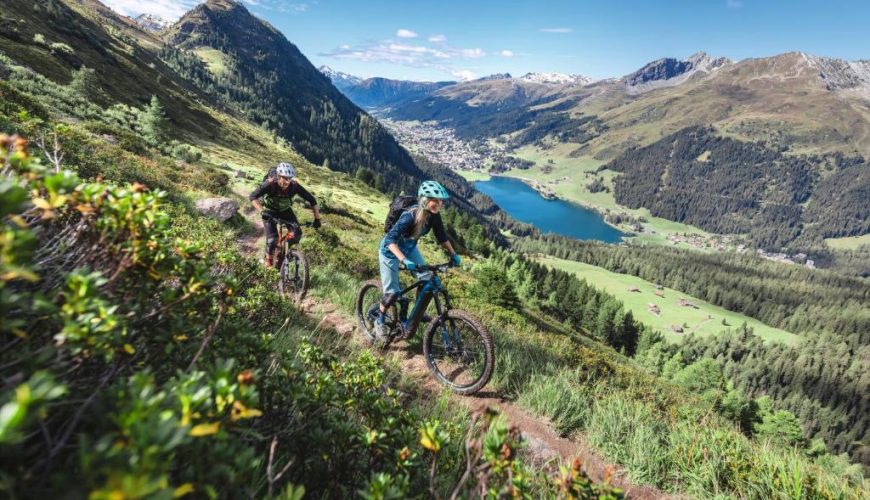
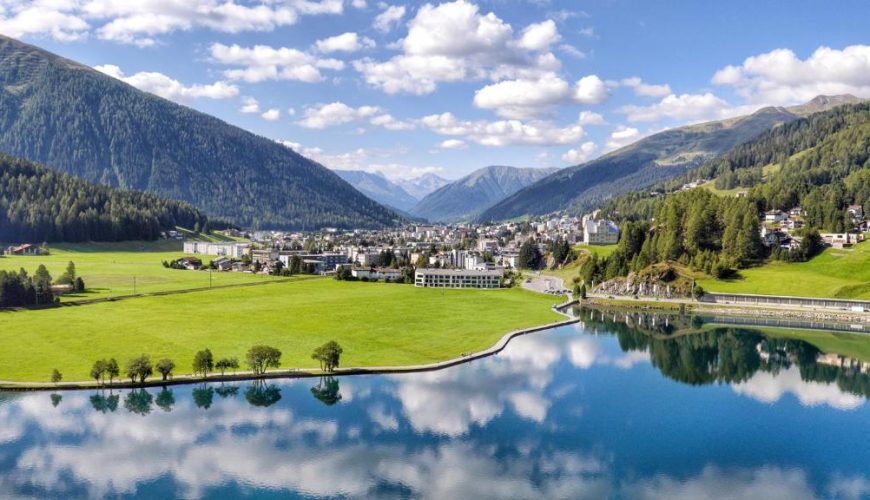
The Swiss Epic 2026 has concluded in Davos. From August 19 to August 23, 2026, more than 530 elite and amateur mountain bikers representing 41 nations tackled the formidable terrain of the Graubünden Alps. Severe alpine weather shifts, intense tactical battles, and historic triumphs defined this 13th edition of the multi-day stage race. This comprehensive guide delivers the final general classification results, an overview of the adapted trail routes, the rich history of the event, and practical travel logistics.
Final Standings: Official 2026 Race Results
The five-day race delivered non-stop drama across both elite divisions, culminating in emotional victories and absolute athletic dominance.
In the Elite Men category, local riders Fadri Barandun from Samedan and Andrin Beeli from Sagogn driving for Team Engadin La Punt captured the overall title. Their triumph marked a historic home victory after five days of relentless tactical racing against international elite squads.
In the Elite Women category, the pairing of Anna Weinbeer and Claudia Peretti representing Team KTM Spada Brenta Brakes – Olympia delivered an unmatched performance. They completed a flawless campaign by winning all five individual stages to secure the overall champion jerseys.
Route Breakdown: Elite Singletrails and Weather Adaptations
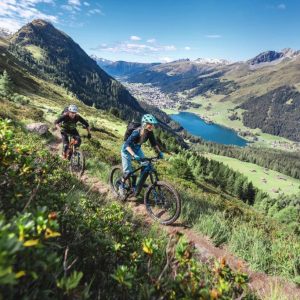
The original itinerary demanded 350 kilometers and approximately 12.000 meters of vertical climbing. Volatile high-altitude weather forced the race organization to deploy flexible route adjustments to ensure competitor safety.
Stage 1 started and finished in La Punt, serving as the opening queen stage. Riders faced a grueling 81-kilometer route packed with 2.650 meters of climbing over the scenic Albula Pass.
Stage 2 was formatted as a time trial. Heavy thunderstorm warnings at the original high-altitude start on the Bernina Pass forced officials to relocate the start down to La Punt. The stage was shortened to a fast 24-kilometer sprint circuit.
Stage 3 required additional weather-related alterations. Severe conditions prevented the scheduled mountain crossing toward Davos. Instead, the peloton completed an intense 61-kilometer loop around La Punt featuring 1.650 meters of elevation change on world-class tracks like the Zuats Shump and Brial Trail.
Stages 4 and 5 brought the field into the global mountain biking hub of Davos Klosters. Competitors tackled iconic alpine singletracks and high mountain passes before crossing the final finish line in Davos Platz.
Event History: The Evolution of an Elite Mountain Bike Classic
The Swiss Epic celebrated its 13th anniversary during this edition. The race has evolved significantly since its inception:
The Concept: Inspired directly by the legendary Cape Epic in South Africa, the Swiss Epic was engineered as the premier European counterpart.
The Epic Series Portfolio: The race functions as a crucial global qualification event, allowing top-tier racers to secure highly coveted starting slots for the main event in South Africa.
UCI Hors Categorie Classification: The race holds the highest possible Union Cycliste Internationale accreditation for stage racing, attracting Olympic champions and world-class marathon specialists annually.
Team Dynamics: The event is contested exclusively in two-person teams. To emphasize partnership, teammates are legally required to remain within two minutes of each other at every timing checkpoint along the course.
Travel Logistics: Getting to the Graubünden Region
The main event hubs of La Punt in the Engadin valley and Davos Platz feature highly efficient European transport connections.
By Train: Rail travel is the recommended and sustainable method. Travelers use the Swiss Federal Railways network to reach the transit hub of Chur. From Chur, passengers transfer to the Rhätische Bahn. The regional trains travel directly through the alpine valleys to Davos Platz or La Punt. Trains are equipped with specialized luggage cars for uncomplicated mountain bike transportation.
By Car: Drivers traveling from Zurich or Germany follow the A3 or A13 motorways to the Landquart exit. From Landquart, the regional highway leads directly up into Davos. Travelers heading to La Punt can continue over the Flüela Pass or via Tiefencastel over the Julier Pass. Drivers must verify seasonal pass openings and current weather closures prior to departure.
Comment (0)