

Palazzo Fiuggi · Movement Programme · Longevity 2026
Six nights in the Apennines. One step closer to a longer life.
Longevity Palazzo Fiuggi — a century of healing, reimagined
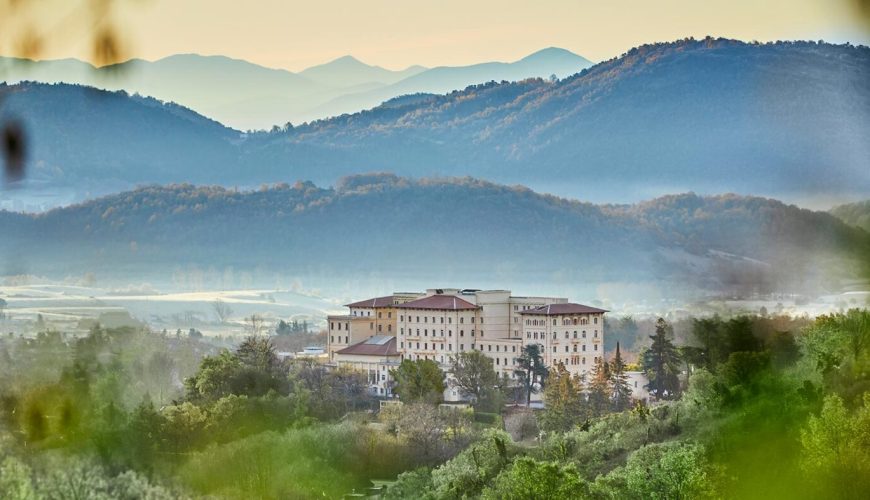
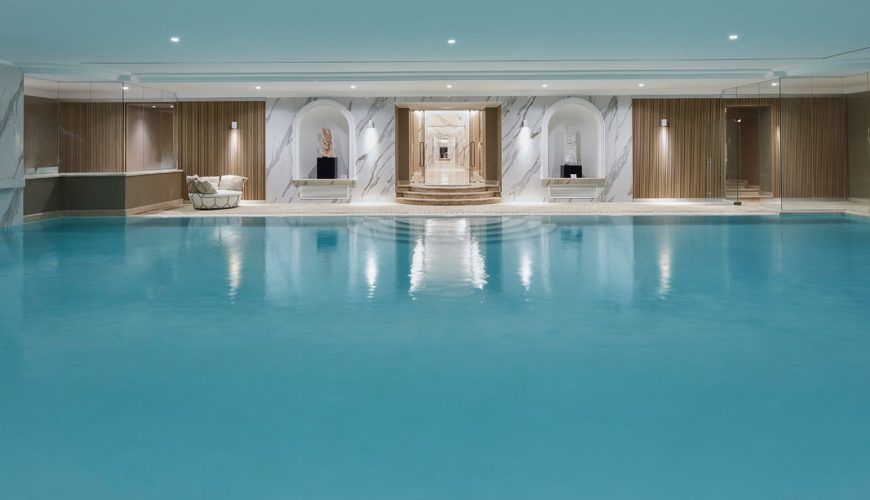
Sixty kilometres southeast of Rome, deep in the hill country of Ciociaria, the landscape suddenly shifts. The motorway gives way to forested switchbacks, and the air — cleaner, cooler, faintly mineral — signals that you have arrived somewhere different. This is Fiuggi, a town whose spring water has attracted wellness seekers for at least six centuries. Pope Boniface VIII credited it with curing his kidney stones. Michelangelo drank it. And in 1913, architects Garibaldi Burba and Giovanni Battista built the Grand Hotel Palazzo della Fonte here, one of the finest hotels in Europe at the time — the first on the continent with a swimming pool — to accommodate the steady flow of those seeking its waters.
A century later, the building was reimagined from the ground up. When the Forte Village group took ownership in 2018 and reopened it in 2021 following a thirty-million-euro renovation, they didn’t simply restore the Art Nouveau façade and elegant Liberty-style interiors. They created something that hadn’t quite existed before: a genuine medical wellness retreat of international standing, set within a palace on an eight-hectare private park at 700 metres above sea level, overlooking the medieval hilltop town below.
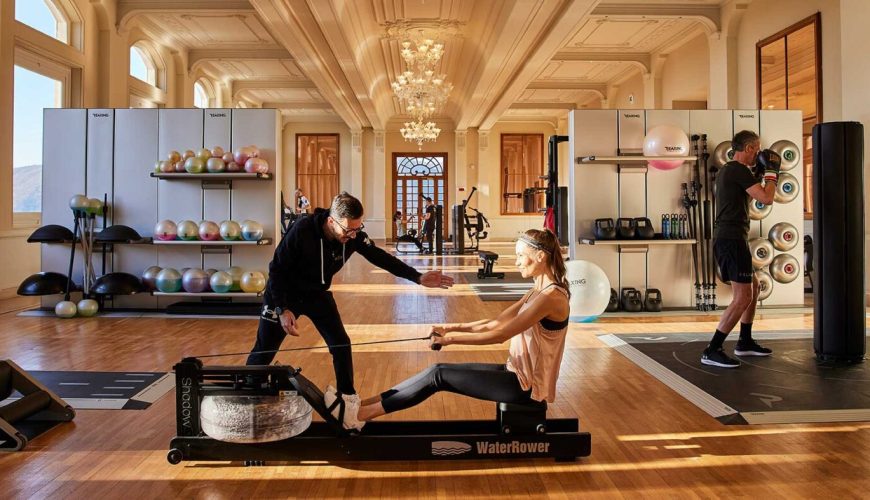
Palazzo Fiuggi today is Europe’s largest medical spa — 6,000 square metres of therapeutic space, a full clinical team of doctors and specialists, a Movement Lab, a Roman thermal bathing complex, 39 treatment rooms including Ayurvedic suites, thalassotherapy pools, and a culinary programme designed by one of Italy’s most celebrated chefs. In 2023, more than 85 per cent of guests arrived specifically for one of its medical wellness programmes. The palace that King Vittorio Emanuele III, Pablo Picasso and Enrico Caruso once visited for pleasure has become, in the twenty-first century, a destination people travel to for transformation.
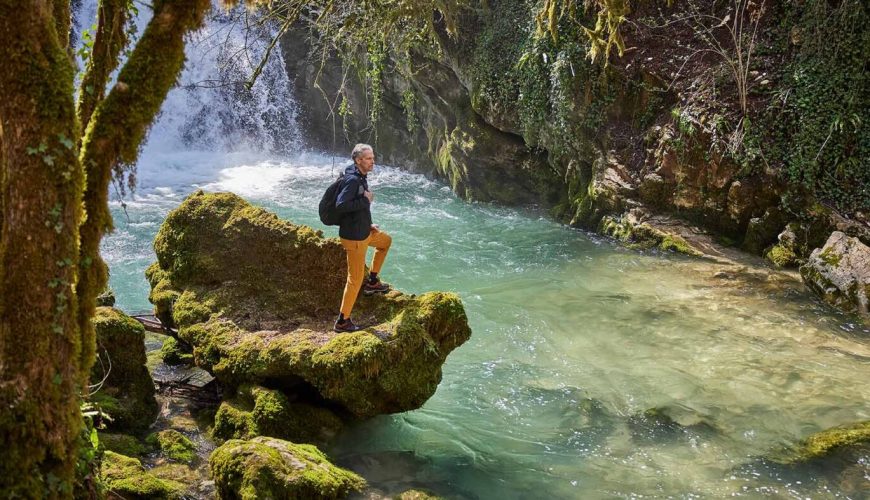
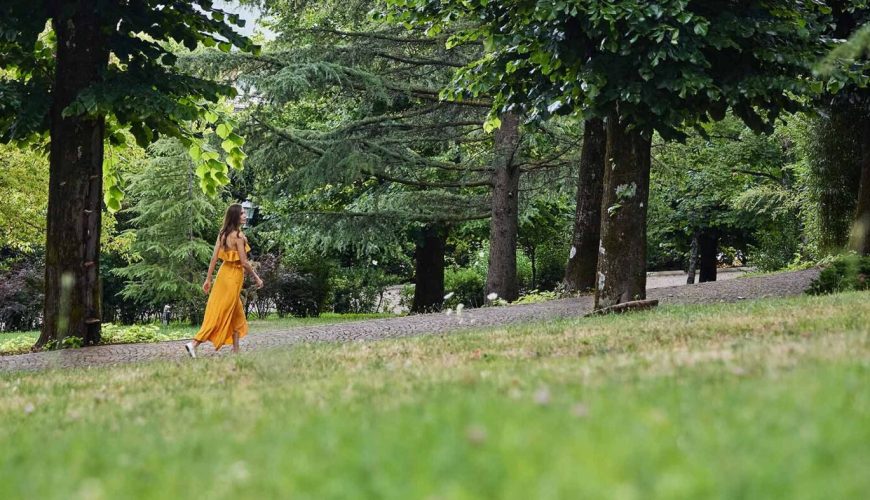
Walking immersed in the spectacular landscapes of the Apennines is not just physical exercise, but a scientifically supported method for promoting longevity. Each step is a journey toward wellness, where movement, mindfulness, and connection to the environment combine to profoundly transform both body and mind.
Hiking for Longevity — movement as medicine
Hiking for Longevity is the newest addition to Palazzo Fiuggi’s suite of Movement programmes, running from March to October on the first and third Monday of each month. It is, by design, the most immersive of the resort’s active offerings: a six-night, medically structured retreat that takes hiking out of the leisure category and places it firmly within a framework of preventive health.
The distinction matters. Hiking as recreation is a walk in the hills. Hiking as practised here is a measured intervention: ECG and bioimpedance analysis on arrival, biomechanical assessment of gait and posture, personalised nutritional programming, supervised recovery protocols, and a final medical evaluation that benchmarks what the six days have achieved. The trails themselves are extensions of the treatment, not simply backdrops to it.
The programme can be joined as a group — scheduled departures offer a shared experience that, by design, fosters human connection, one of the pillars of longevity research — or booked privately for guests who prefer a more solitary pace. Either way, the medical and therapeutic infrastructure is the same.
Programme goals
- Metabolism: Reactivation of metabolism and muscular transformation through aerobic and resistance-based movement
- Detox: Reduction of toxins in the body, supported by Fiuggi mineral water and therapeutic treatments
- Physical assessment: Analysis and measurable improvement of physical wellbeing through the medical team and HPM biomechanical evaluation
- Nutrition: Targeted dietary plan for muscle development and reduction of systemic inflammation levels
- Mindfulness: Promotion of a lifestyle centred on presence, mindfulness and authentic human connection
The science of hiking for longevity
The relationship between hiking and longevity is not intuitive folklore. It is increasingly documented in peer-reviewed research, and Palazzo Fiuggi’s programme is designed around its most robust findings.
Regular hiking on varied terrain engages the entire musculoskeletal system in a way that flat-surface walking cannot replicate. Uneven ground requires continuous micro-adjustments from the stabilising muscles of the ankle, knee and hip, improving joint proprioception and reducing injury risk as we age. Uphill gradients significantly raise cardiovascular demand, improving VO₂ max — one of the most reliable predictors of long-term health and longevity. The eccentric muscle contractions of descent stimulate muscle protein synthesis in ways distinct from concentric movement, contributing to the preservation of lean mass in older adults.
Beyond the purely physical, the neuroscience of nature-based exercise adds a further dimension. Time spent in green, natural environments has been consistently associated with reduced cortisol, lowered blood pressure, improved mood and better sleep quality. The Japanese concept of shinrin-yoku — forest bathing — and the growing field of ecotherapy both point to the same conclusion: the natural world is not simply a pleasant backdrop to exercise. It is an active participant in the therapeutic process.
Palazzo Fiuggi’s programme integrates these findings deliberately. The trails are designed not for athletic performance but for mindful immersion: pace is moderate, the surroundings are given space, and post-hike recovery protocols are built into every day. The goal is not the fastest time to the summit. It is the most meaningful possible engagement with movement, nature and one’s own body.
The trails — the Apennines as a therapeutic landscape
The Apennines that frame Fiuggi are not the dramatic, high-altitude range of the central spine. They are gentler — a landscape of rounded forested ridges, ancient stone paths between hilltop towns, and valleys where the mineral springs that gave this region its centuries-long reputation still surface. The hiking paths used in the Hiking for Longevity programme are carefully chosen to make the most of this terrain.
Five guided hikes take place across the six night programme, each curated for a specific therapeutic purpose. Some traverse forest paths that descend into the valley below Fiuggi, with views over the medieval old town and the hill country of Ciociaria stretching south. Others climb the surrounding ridges for panoramic vistas across Lazio. Routes are designed to be accessible regardless of prior fitness level while remaining genuinely challenging enough to produce meaningful physiological responses.
Expert guides accompany every hike, but their role is as much mindfulness facilitator as route navigator. Attention is directed deliberately to surroundings, breathing, gait and sensory experience. Lunches on the trail are included on the hiking days — prepared according to Heinz Beck’s nutritional protocols, designed to sustain energy and support recovery without burdening the digestive system mid-effort.
Medical framework — diagnostics and assessment
What distinguishes Hiking for Longevity from any hiking holiday, however scenic, is the medical architecture that surrounds every day of movement. Palazzo Fiuggi is an authorised medical facility — the Polo Poliambulatorio (Aut. Reg. Lazio n. G07017) — and the medical team’s involvement in every programme is structural, not decorative.
The programme begins with a comprehensive initial medical visit, including an ECG (electrocardiogram) and a Bioimpedance Analysis (BIA) that measures body composition in detail: lean mass, fat mass, hydration status, cellular health markers. This baseline informs the personalised treatment plan that will be built around the guest’s specific starting point. An aerobic fitness test establishes cardiovascular capacity and frames the appropriate intensity for the week’s hiking.
The programme closes with a final biomechanical assessment and medical review — measuring what changed, what improved, and providing concrete recommendations for continuing the programme after departure. The digital telemedicine platform that Palazzo Fiuggi operates for post-residence follow-up means that the programme’s medical guidance extends well beyond the six nights at the palace.
| Medical Treatment | Quantity |
|---|---|
| Initial medical visit | 1 session |
| ECG (Electrocardiogram) | 1 session |
| Bioimpedance analysis (BIA) | 1 session |
| Aerobic fitness test | 1 session |
| Final biomechanical assessment | 1 session |
The Movement Lab and HPM methodology
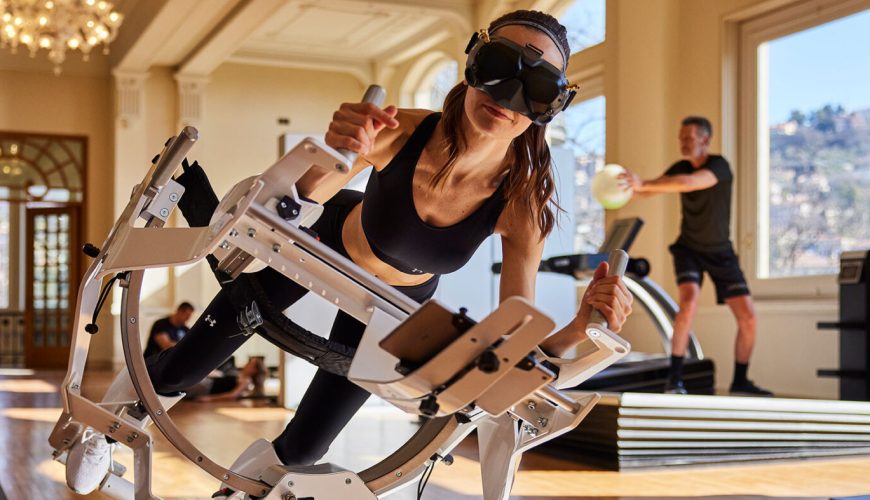
The Movement Lab at Palazzo Fiuggi operates the HPM — High Performance Method, a biomechanical assessment system developed by a team of internationally recognised specialists in functional rehabilitation and athletic performance. HPM is not designed exclusively for athletes; it is equally relevant — and arguably more valuable — for those returning to active movement or seeking to understand their body’s mechanical patterns before they become problems.
The HPM assessment analyses posture, gait mechanics, movement dynamics, stability, reactivity and the functional strength of the core and spine. For hikers, this is particularly relevant: how the foot strikes the ground on a slope, how the pelvis distributes load across the knee and hip, how the spine holds alignment on a long descent — these are the details that determine whether five days of hiking strengthens the body or strains it.
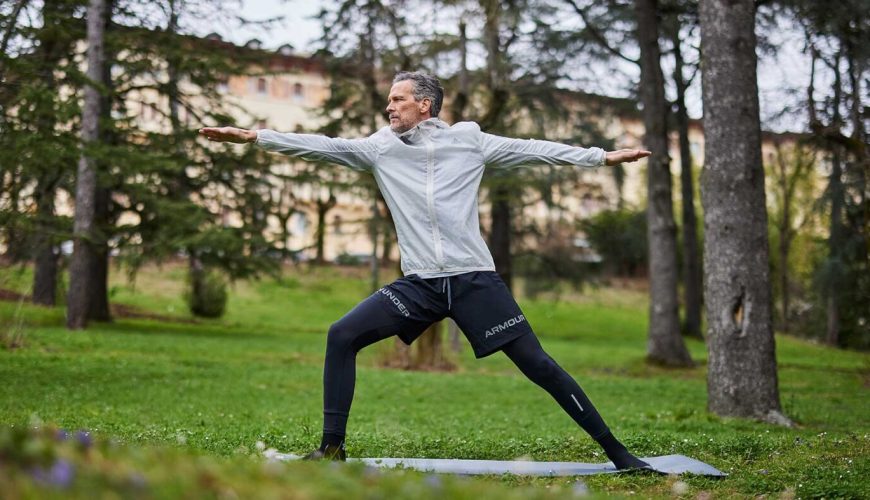
Based on the HPM findings, a personalised training plan is established for the week. Three dedicated training sessions apply the HPM protocols directly, supported by post-hike recovery sessions every day, post-training mobility work on three occasions, and a single Yoga Therapy and Hatha Yoga session each. The movement architecture of every day is designed as a complete system: exertion, structured recovery, flexibility, and neurological restoration.
- HPM Biomechanical evaluation (1)
- Aerobic fitness test (1)
- HPM Training sessions (3)
- Post-hike recovery (5)
- Post-training mobility (3)
- Yoga Therapy (1)
- Hatha Yoga (1)
- Final biomechanical assessment (1)
- Guided hiking in the Apennines (5)
- Lunch on trail, hiking days (1 included)
- Expert hiking guides throughout
- Mindful hiking facilitation
- Group dynamic (shared departures)
- Private option available
Nutrition — Heinz Beck’s longevity food line
The culinary dimension of Hiking for Longevity is not an afterthought. It is co-designed by Heinz Beck, the German born chef whose Rome restaurant La Pergola has held three Michelin stars continuously since 1997 — the only three-starred restaurant in the Italian capital. Beck’s collaboration with Palazzo Fiuggi’s Scientific Medical Team has produced what the resort calls a Food as Medicine philosophy: a nutritional approach in which every dish is engineered to deliver measurable health benefit without sacrificing the craft and pleasure of serious cooking.
The Hiking for Longevity food line is specifically calibrated for the physiological demands of the programme. Protein distribution is structured to support muscle protein synthesis during the week’s exercise load and the body’s post-movement repair processes. Anti inflammatory ingredients — extra virgin olive oil, seasonal vegetables, legumes, herbs and spices — are present in quantities that reflect their therapeutic relevance, not simply their culinary appeal. Inflammatory load is kept systematically low. Mediterranean in its foundations, the food line draws on the same regional tradition that longevity researchers consistently identify as one of the most protective dietary patterns in the world.
Breakfast, lunch on hiking days, dinner, and healthy snacks are all included. Herbal infusions sourced from one of Italy’s oldest pharmacies — continuing a tradition of Benedictine herbal medicine that originated in the monasteries of Ciociaria — are available throughout the day. And therapeutic Fiuggi water is served directly from the source, integral to the nutritional and detoxification protocols of every programme.
Nutrition — what is included
- Breakfast, lunch and dinner daily — Heinz Beck’s Mediterranean longevity food line
- Trail lunch on hiking days (1 per programme, on-route)
- Healthy snacks throughout the day
- Herbal infusions from Italy’s oldest monastic pharmacy tradition
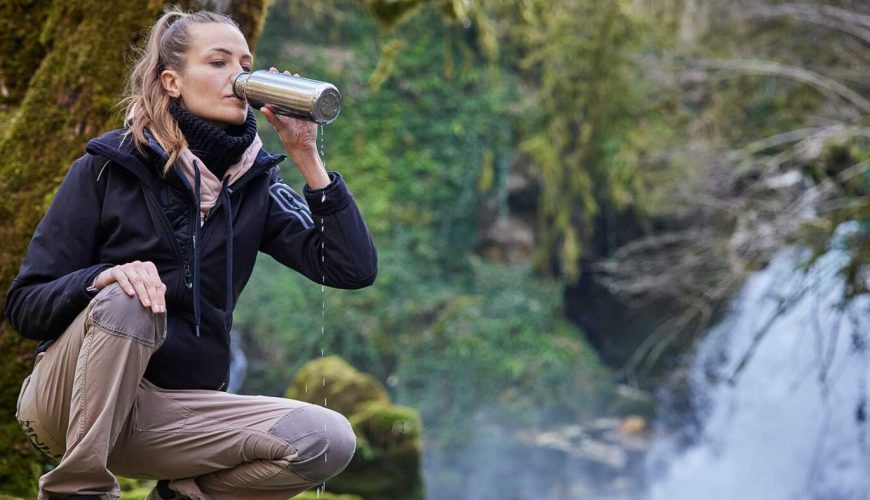
- Therapeutic Fiuggi mineral water directly from the source
- All nutrition VAT-inclusive in programme price
Fiuggi water — 600 years of healing
Any account of Palazzo Fiuggi that neglects its water would be incomplete. The spring that surfaces here has been credited with therapeutic properties since at least the fourteenth century, when Pope Boniface VIII documented its apparent ability to dissolve kidney stones. Michelangelo, who suffered from urolithiasis, reportedly drank it regularly. The monks of the medieval abbeys scattered across Ciociaria incorporated it into their pharmacopoeia alongside the herbal preparations they cultivated and distilled.
The therapeutic mechanism is now partially understood. Fiuggi water contains unique macromolecules belonging to the humic acid group — organic compounds with the capacity to reduce the crystal lattice density of calcium oxalate and uric acid deposits, allowing them to break down and be eliminated via the urinary tract. Beyond this, the water has measurably diuretic and anti-inflammatory properties, and its very low mineral residue makes it exceptionally gentle on the kidneys.
Within the Hiking for Longevity programme, Fiuggi water is not simply available as a beverage option. It is a therapeutic element: consumed in structured quantities from the Fountain of Life on the property, integrated into the thalassotherapy pools, present in the thermal bathing circuit. Its contribution to the body’s detoxification processes during the week’s movement is considered an intrinsic part of the programme design, not an ornamental addition.
Spa and wellness — the 6,000 m² recovery environment
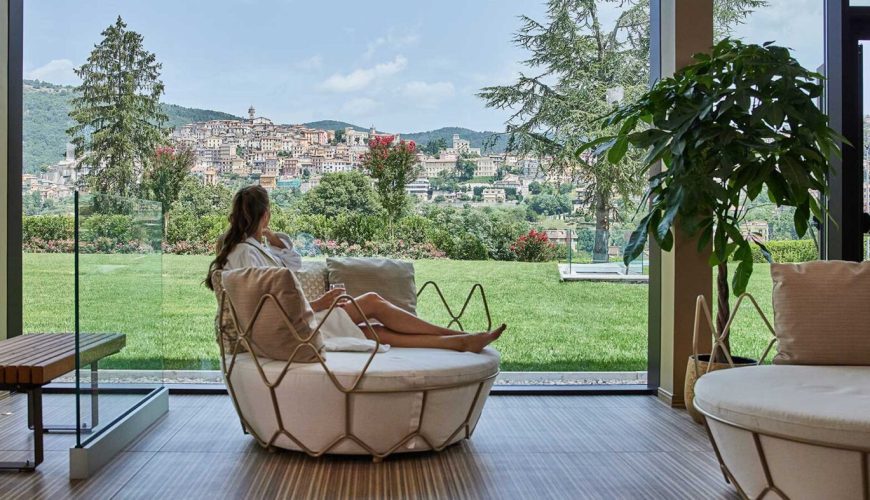
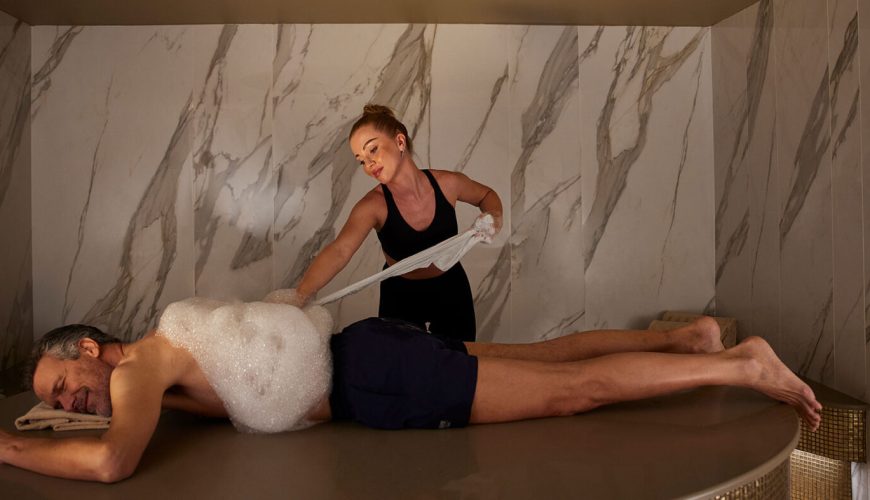
Five days of Apennine hiking demand serious recovery infrastructure. Palazzo Fiuggi’s 6,000 m² wellness complex — the largest spa in Europe — provides it in full. The Roman Thermae, connected to the main building by a glass passage overlooking Fiuggi’s old town, recreate an ancient bathing ritual that remains one of the most effective means of supporting musculoskeletal recovery known: graduated movement between heat and cold, hydrotherapy and rest.
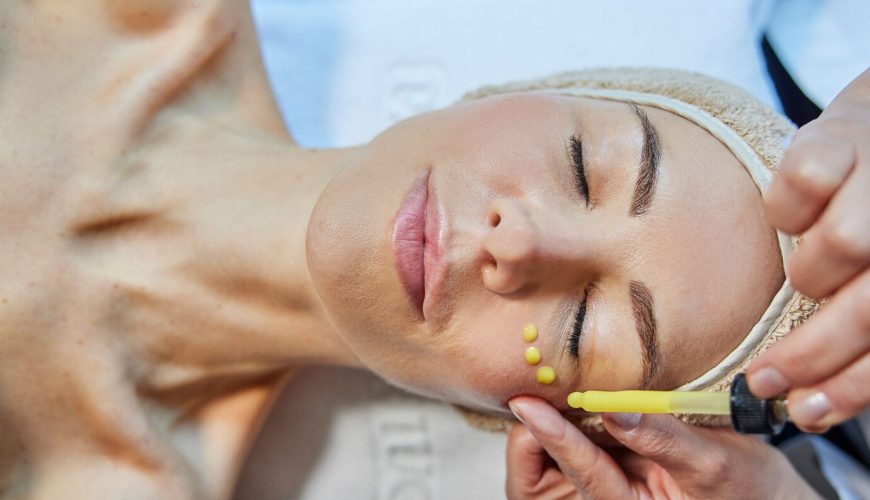
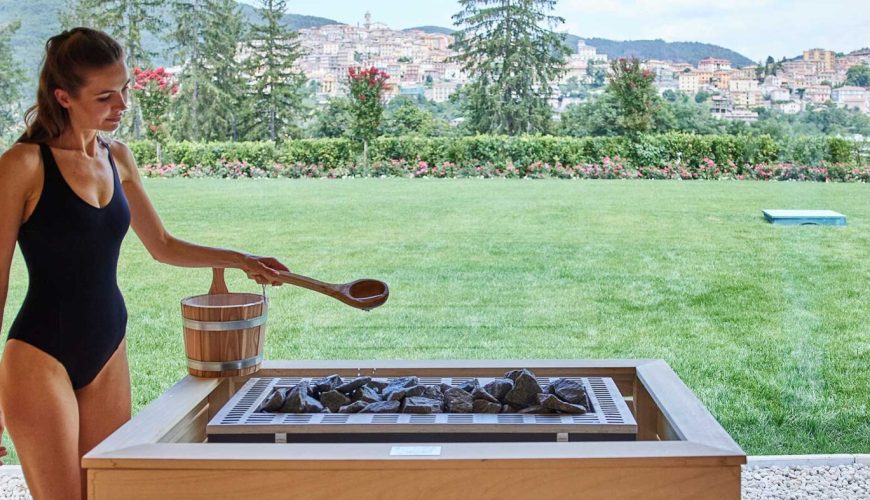
The Hiking for Longevity programme includes a structured selection of spa treatments across the six nights, chosen specifically to complement the physical demands of the week. The back infrared sauna promotes deep muscular relaxation and detoxification through heat penetration at lower temperatures than conventional sauna. The Aufguss mindfulness ritual — the ceremonial pouring of aromatic essential oils onto the sauna stones, a tradition borrowed from Nordic and Central European wellness culture — combines thermal therapy with conscious breathing and presence. Heat & Cold Therapy, included three times during the programme, drives the cardiovascular benefits of contrast exposure and accelerates peripheral recovery. Bodywork Stress Release addresses the connective tissue and nervous system tension that accumulates during sustained physical effort.
| Wellness Treatment | Included |
|---|---|
| Free time at the Roman Thermae | 5 sessions |
| Back infrared sauna | 1 session |
| Aufguss — mindfulness ritual | 1 session |
| Heat & Cold Therapy | 3 sessions |
| Bodywork Stress Release | 1 session |
| Access to thalassotherapy pools | 2 sessions |
| Dynamic Feet & Legs Recharge | 1 session |
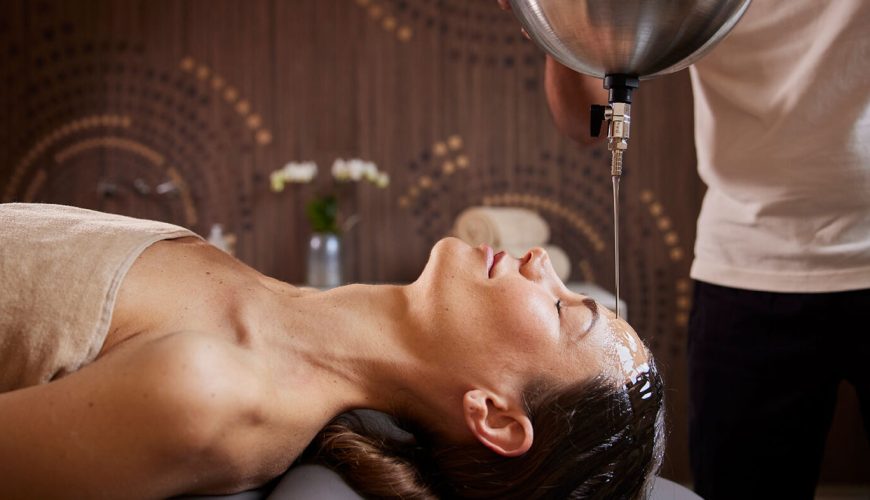
Beyond the included treatments, the resort’s à la carte spa menu offers a full range of additional therapies — from Ayurvedic treatments and beauty treatments to targeted physiotherapy and advanced dermatological procedures. A 20% discount on additional treatments applies to guests booked on programmes of seven nights or more (applicable to repeat guests; terms apply).
Six nights — what the programme looks like
Each programme begins on a Monday and follows a structure designed to build progressively across the week — medical assessment and orientation on arrival, increasing movement intensity through the middle days, and a final assessment that captures what the week has achieved.
Day 1 — Mon
Day 2 — Tue
Day 3 — Wed
Day 4 — Thu
Day 5 — Fri
Day 6 — Sat
Day 7 — Sun
Practical information — dates, price & getting there
The Hiking for Longevity group programme runs from Monday 16 March to Friday 31 October 2026, departing on the first and third Monday of each month. Private bookings are available on request throughout the season and can be arranged to start on any Monday.
Hiking for Longevity — 6 nights
Programme only · Accommodation not included · VAT inclusive
Includes: all medical treatments · all wellness treatments · full Heinz Beck food line (breakfast, lunch, dinner, snacks) · trail lunch · Fiuggi mineral water · HPM Movement Lab sessions
What the programme price includes
- All medical treatments listed: initial and final medical visits, ECG, BIA, aerobic test
- All wellness spa treatments listed: Roman Thermae, infrared sauna, Aufguss, Heat & Cold Therapy, thalassotherapy, bodywork, feet & legs recharge
- All Movement Lab sessions: biomechanical assessments, HPM training, post-hike recovery, mobility, yoga
- Five guided Apennine hikes with expert guides and mindfulness facilitation
- Full board: breakfast, lunch, dinner and snacks — Heinz Beck longevity food line
- Trail lunch on hiking days
- Herbal infusions and therapeutic Fiuggi mineral water throughout
- Post-residence telemedicine follow-up
- VAT included
- Accommodation at Palazzo Fiuggi is booked separately
Accommodation at Palazzo Fiuggi
Rooms and suites are booked separately from the programme price. Options range from Charme Rooms (30–37 m²) and Prestige Rooms (33–38 m²) to Junior Suites (50 m²), Suites (60–76 m²), Terrace Suites, Imperial and Presidential Suites (110 m²) and the Royal Suite (135 m²). Villa Luisa — a separate 2,000 m² private villa with seven bedrooms — is available for exclusive groups by request.
Getting to Palazzo Fiuggi
By car from Rome: approximately 75–90 minutes via the A1 motorway (Roma–Napoli direction) to Anagni, then south on the SP78 to Fiuggi. The resort address is Via dei Villini, 34, 03014 Fiuggi FR. Parking is available on the property.
From Rome Fiumicino Airport (FCO): approximately 90 minutes by car, or by train to Roma Termini then taxi or private transfer.
From Rome Ciampino Airport (CIA): approximately 60 minutes by car — the closest major airport to Fiuggi.
By train: The nearest railway station is Fiuggi–Frosinone (FR). High-speed and regional trains connect Roma Termini to Frosinone in under an hour; transfers to Fiuggi take approximately 30 minutes by taxi or private car.
UK flights: Direct flights to Rome Fiumicino (FCO) from London Heathrow (LHR), London Gatwick (LGW), London Stansted (STN), Manchester (MAN) and Edinburgh (EDI). Flight time approximately 2h 30m. GHIC (Global Health Insurance Card) is valid for UK travellers in Italy.
Booking & contact
- Email: booking@forte-village.de
- Address: Via dei Villini, 34 — 03014 Fiuggi FR, Italy
- Group programme schedule: first and third Monday of each month, 16 March – 31 October 2026
Palazzo Fiuggi · Movement Programme · Spring 2026
Six nights.
The Apennines at dawn.
A longer life ahead.
Hiking for Longevity runs from 16 March to 31 October 2026 — first and third Monday of each month. Private bookings on request:
booking@forte-village.de
Comment (0)