





The conversation around longevity has shifted dramatically in recent years. Wellness is no longer only about spa treatments and relaxation — today’s high-end travelers are increasingly interested in measurable health optimization: metabolic health, recovery, cardiovascular performance, sleep quality, and especially VO₂ max.
In this context, Switzerland occupies a unique position. Its combination of alpine altitude, pristine environments, medical expertise, and luxury hospitality creates an ideal setting for performance-oriented wellness travel.
Two destinations stand out in particular:
- Bürgenstock Resort Lake Lucerne
- The Chedi Andermatt
Both properties represent different but complementary approaches to modern longevity travel.
Why VO₂ Max Has Become One of the Most Important Longevity Metrics
Among physicians, sports scientists, and longevity researchers, VO₂ max is increasingly viewed as one of the strongest indicators of long-term health and resilience.
VO2max
VO₂ max measures the body’s maximum capacity to utilize oxygen during exercise. In practical terms, it reflects how efficiently the cardiovascular system, lungs, muscles, and mitochondria work together under physical stress.
A higher VO₂ max is generally associated with:
- better cardiovascular health
- stronger metabolic function
- improved endurance
- lower all-cause mortality risk
- healthier aging trajectories
This explains why elite athletes monitor it closely — but increasingly, so do health-conscious executives and luxury wellness travelers.
Why Altitude Matters
One reason alpine destinations attract performance-focused travelers is the physiological effect of moderate altitude exposure.
At elevations above roughly 1,500 meters, oxygen availability decreases slightly. In response, the body begins adapting through mechanisms such as:
- increased red blood cell production
- improved oxygen transport efficiency
- enhanced mitochondrial adaptation
- cardiovascular conditioning
This concept has long been used in elite sports training under the principle:
“Live high, train low.”
The goal is not oxygen deprivation itself, but controlled adaptation.
Importantly, moderate altitude exposure can create a mild hormetic stress response — a beneficial biological challenge that may support resilience and recovery when balanced properly with sleep, nutrition, and movement.
Bürgenstock Resort: Luxury Regeneration Above Lake Lucerne
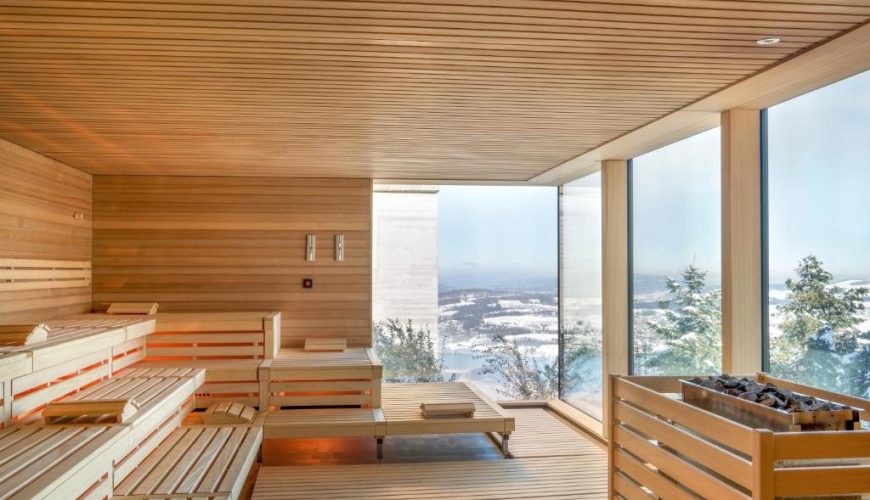
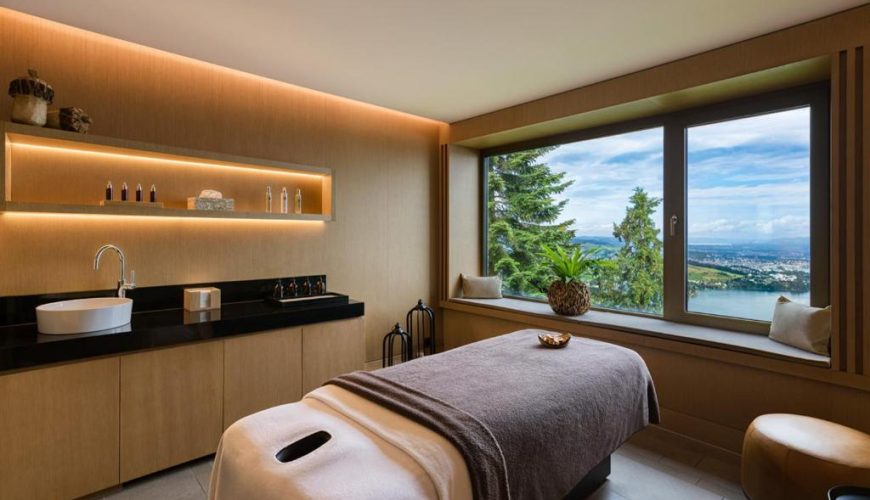
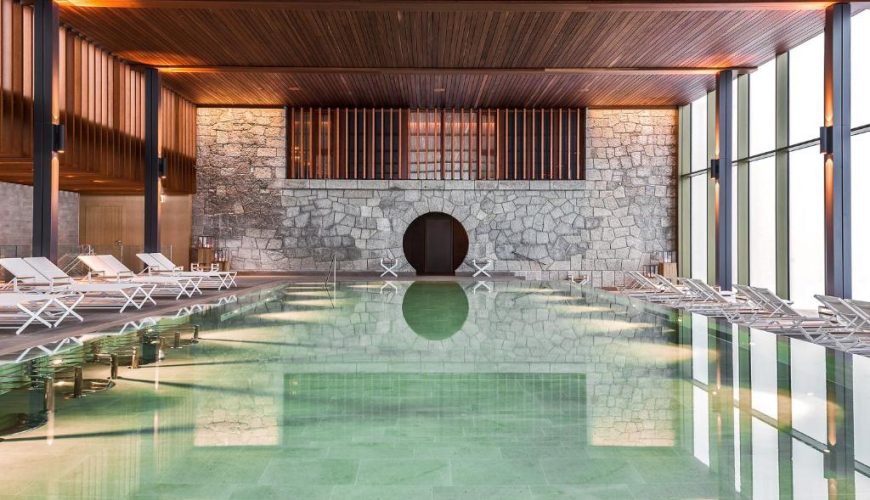
Perched high above Lake Lucerne, Bürgenstock Resort Lake Lucerne represents one of the most sophisticated wellness environments in the Alps.
The resort’s strength lies in combining:
- luxury hospitality
- alpine tranquility
- medical wellness
- recovery-focused experiences
- structured fitness and spa offerings
The setting itself contributes significantly to the experience:
- clean mountain air
- reduced urban stress exposure
- panoramic hiking terrain
- restorative sleep conditions
- low-noise natural surroundings
For longevity-oriented guests, Bürgenstock offers an ideal environment for:
- cardiovascular recovery
- low-intensity endurance activity
- nervous system regulation
- stress reduction
- sustainable wellness routines
Its wellness philosophy is less about extreme athletic performance and more about integrated regeneration and preventative health.
This makes it especially attractive for travelers seeking:
- executive recovery retreats
- luxury health escapes
- wellness-focused alpine stays
- balanced fitness and relaxation
The Chedi Andermatt: Alpine Performance & High-Altitude Conditioning
Further into the Swiss Alps, The Chedi Andermatt offers a different dimension of wellness luxury.
Located in the high alpine environment of Andermatt, the destination naturally attracts:
- cyclists
- trail runners
- skiers
- mountaineers
- endurance-focused travelers
The altitude and terrain create ideal conditions for active recovery and performance-oriented stays.
Unlike purely medical wellness concepts, The Chedi blends:
- elite hospitality
- outdoor alpine sports
- recovery infrastructure
- high-end spa culture
- physically active lifestyles
For guests interested in improving endurance capacity, the region is particularly appealing because it supports:
- sustained aerobic training
- mountain hiking
- altitude adaptation
- cardiovascular conditioning
- structured recovery after exertion
The combination of luxury comfort and alpine challenge is precisely what makes Andermatt increasingly relevant in modern longevity tourism.
The Future of Luxury Travel Is Measurable Wellness
The luxury hospitality industry is moving toward a more evidence-based model of wellbeing.
Today’s affluent travelers increasingly ask:
- How well do I recover?
- How fit is my cardiovascular system?
- How resilient is my metabolism?
- How can I improve long-term vitality?
This shift explains the growing interest in:
- VO₂ max testing
- sleep optimization
- recovery therapies
- personalized fitness diagnostics
- altitude-based wellness experiences
Comment (0)