

BAVARIA TRAVEL GUIDE | INCOMING TOURISM
Neuschwanstein Castle & the Allgaeu: Your Complete Visitor Guide to Bavaria’s Fairytale Region
From the world’s most photographed castle to Alpine lakes, mountain hikes and Bavarian wellness: the Fuessen and Koenigswinkel region in southern Bavaria offers one of Germany’s most spectacular and complete travel experiences — for first-time visitors and returning guests alike.
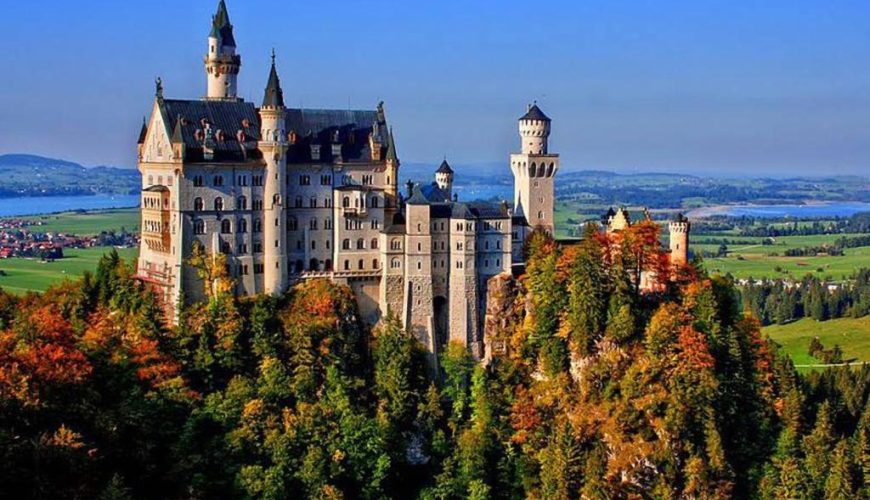
Few places on earth are as immediately recognisable as Neuschwanstein Castle. Perched on a rugged cliff above the village of Hohenschwangau in southern Bavaria, its white limestone towers rising against a backdrop of Alpine peaks and dark pine forests, it is the castle that inspired Walt Disney’s Sleeping Beauty Castle and has drawn more than 50 million visitors since it first opened its gates. And yet, remarkable as the castle itself is, it is only one part of what makes this corner of the Allgaeu one of Germany’s finest travel destinations.
The region around Fuessen — the small medieval market town three kilometres from the castle — combines royal history, spectacular mountain scenery, turquoise Alpine lakes, a growing network of hiking and cycling trails, excellent accommodation in every category from luxury hotels to lakeside campsites, and a year-round programme of outdoor activities that goes well beyond a single castle visit. This guide covers everything an international visitor needs to plan a stay: the castle’s history and practical visit tips, the best places to stay, how to get there, and all the activities, landscapes and experiences that make the Koenigswinkel — the Royal Corner, as the locals call it — worth far more than a day trip.
What’s in this guide
- The region at a glance: Fuessen, Schwangau and the Koenigswinkel
- Neuschwanstein Castle: history, myth and King Ludwig II
- Hohenschwangau Castle: the castle that shaped a king
- Visiting the castles: tickets, tours and practical tips
- The lakes: Alpsee, Schwansee, Forggensee, Hopfensee and Weissensee
- Mountains and hiking: trails for every level
- Cycling, water sports and active holidays
- Winter in the Koenigswinkel: skiing, cross-country and more
- Where to stay: hotels for every style and budget
- Camping and motorhome travel in the Allgaeu
- Holiday apartments and self-catering in the region
- Getting to Neuschwanstein: by train, car and plane
- Tourist information and practical tips
1. The region at a glance: Fuessen, Schwangau and the Koenigswinkel
| Feature | Details |
| Location | Ostallgaeu district, southern Bavaria, Germany; border with Austrian Tyrol |
| Main town | Fuessen (approx. 15,000 inhabitants), medieval old town on the Lech river |
| Castle village | Hohenschwangau / Schwangau, 3–4 km from Fuessen town centre |
| Annual castle visitors | Approx. 1.5 million per year (Neuschwanstein) |
| Lakes | Alpsee, Schwansee, Forggensee, Hopfensee, Weissensee and six Faulenbach lakes |
| Highest peak nearby | Saeuling (2,047 m), Tegelberg (1,730 m), Zugspitze (2,962 m) within 1 hour |
| Nearest airport | Munich Airport (MUC), approx. 120 km / 1.5 hours by car |
| Train connection | Direct Fugger Express from Munich Hauptbahnhof to Fuessen, approx. 2 hours |
| Best time to visit | Year-round; spring/autumn for fewer crowds; winter for snow-covered castle views |
The Koenigswinkel — literally the Royal Corner — is the name locals give to the area around Fuessen, Schwangau and the two royal castles. The name reflects a genuine sense of regional identity that goes beyond the tourist infrastructure: this is Bavaria at its most classically Alpine, a landscape of steep meadows, deep blue lakes, limestone peaks and traditions that have survived modernisation intact. Fuessen itself is a fully functioning Bavarian market town with its own character independent of the castle tourism — a medieval old town with baroque churches, a High Castle of its own, independent restaurants and cafes, and a relaxed pace of life that contrasts pleasantly with the crowds at Hohenschwangau.
2. Neuschwanstein Castle: history, myth and King Ludwig II
The story of Neuschwanstein Castle begins with a young king and a letter to a composer. In 1868, King Ludwig II of Bavaria — just 23 years old and already deeply shaped by his passion for the operas of Richard Wagner — wrote to Wagner describing his plans for a new castle near Hohenschwangau: ‘It is my intention to rebuild the old castle ruin of Hohenschwangau near the Pöllat Gorge in the authentic style of the old German knights’ castles.’ The result, now known as Neuschwanstein, is one of the most extraordinary buildings of the 19th century.
Construction began on 5 September 1869, the foundation stone laid on a rocky spur called the Jugend above the Pöllat Gorge. Ludwig II had envisioned a medieval ideal, a romantic vision of the Middle Ages filtered through the lens of Wagner’s operas and his own deeply personal aesthetic. The Wartburg Castle in Thuringia served as the primary architectural model. What followed was a construction project of almost impossible ambition: the cliff required enormous quantities of stone to be hauled up a steep mountain, workers had to be housed on site, and Ludwig’s vision kept expanding as the building progressed.
The gatehouse was completed in 1873; Ludwig took up residence there while the rest of the castle was still being built around him. The topping-out ceremony took place in 1880, and Ludwig first occupied the royal apartments in 1884. He never saw the castle completed: in June 1886, the Bavarian government declared him mentally incapacitated and removed him from power. He died under mysterious circumstances at Lake Starnberg just days later, aged 40. Neuschwanstein was opened to the public just weeks after his death, a decision Ludwig himself would never have approved.
Today, Neuschwanstein is the most visited castle in Germany and one of Europe’s most popular tourist destinations. The interior — particularly the Singers’ Hall on the fourth floor, with its elaborate murals depicting scenes from Wagner’s operas, and the Byzantine-inspired Throne Room — is as extraordinary as the exterior. Walt Disney visited in the 1930s and found his inspiration for Cinderella’s castle; the silhouette of Neuschwanstein has appeared in countless films, photographs and artworks since, making it arguably the most reproduced castle image in the world.
King Ludwig II wanted to remain, as he himself wrote, ‘an eternal riddle to myself and others’. With Neuschwanstein Castle, he succeeded beyond any reasonable expectation.
3. Hohenschwangau Castle: the castle that shaped a king
Standing directly opposite Neuschwanstein on its own wooded hill, Hohenschwangau Castle is often overlooked by visitors focused on its more famous neighbour — which is a significant mistake. While Neuschwanstein was Ludwig’s adult creation, Hohenschwangau was where he grew up. His father, King Maximilian II, rebuilt the medieval ruins of the old Schwangau fortress in the neo-Gothic style between 1832 and 1837, and Ludwig spent much of his childhood and youth here, surrounded by the murals of medieval legend and Wagner-inspired romanticism that would later define his own building ambitions.
Hohenschwangau’s interiors are remarkably well preserved and tell a more intimate story than Neuschwanstein: this was a lived-in royal residence, full of personal details and the marks of daily royal life rather than a utopian ideal. The castle’s roots in the 16th century give it historical depth that Neuschwanstein, started in 1869, cannot match. A visit to Hohenschwangau before Neuschwanstein makes the second castle significantly more meaningful, providing the context that explains why Ludwig built what he built.
4. Visiting the castles: tickets, tours and practical tips
Visiting Neuschwanstein requires advance planning — the castle is only accessible by pre-booked guided tour, and popular time slots sell out weeks or months ahead during the main season from spring to autumn. Tickets are sold exclusively through the official Bavarian Palace Department website and at the ticket centre in Hohenschwangau village; same-day tickets at the ticket centre are available but cannot be guaranteed in peak season.
| Practical detail | Information |
| Opening hours | Daily except Christmas Eve, New Year’s Eve and New Year’s Day |
| Access to castle | Guided tour only, pre-booked ticket required |
| Tour languages | German, English, and many others via audio guide |
| Steps inside | Approx. 300 steps; elevator available for reduced-mobility visitors on request |
| Transfer from ticket centre | Bus (EUR 3.50 up / EUR 3.50 down) or horse-drawn carriage (EUR 8 up / EUR 4 down) |
| Marienbruecke viewpoint | Bridge above Poellat Gorge: best view of the castle facade, free, walkable |
| Parking | Official car parks EUR 12–16 per day; no parking on approach roads |
| Hohenschwangau tickets | Separate ticket, same ticket centre, also requires advance booking |
| Beat the crowds
The first morning tours (opening time around 9 AM) are the least crowded. Visiting on a weekday outside school holidays makes a significant difference to wait times and atmosphere. The Marienbruecke viewpoint, while spectacular, can be extremely busy mid-morning — visit early or late in the day for the classic photograph without a crowd. |
5. The lakes: Alpsee, Schwansee, Forggensee, Hopfensee and Weissensee
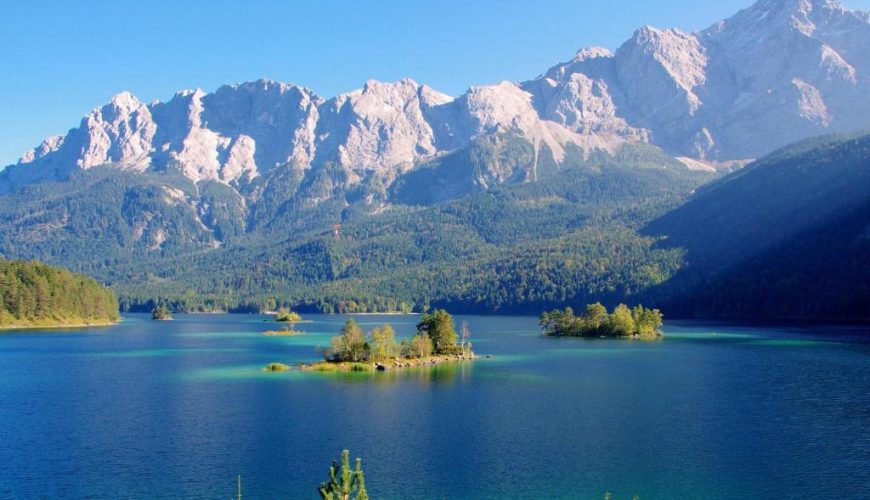
The Fuessen and Koenigswinkel region is defined as much by its water as by its mountains. A cluster of lakes in different characters and sizes offers swimming, sailing, stand-up paddleboarding, kayaking and simple lakeside relaxation within a few kilometres of the castle.
Alpsee
The Alpsee lies directly below Neuschwanstein and Hohenschwangau castles, making it the most scenically situated lake in the region. The Museum of the Bavarian Kings is located on its shore, and the lake’s turquoise-green water reflects the castle silhouette on clear days. Swimming is possible in summer; rowing boats can be rented for a more leisurely experience of the castle backdrop from the water.
Schwansee
The smaller Schwansee, named for the swans that inhabit it — the heraldic animal of both Ludwig II and the Schwangau dynasty — sits between the two castles and the village. Swimming in the Schwansee is popular in summer and provides an extraordinary foreground for Neuschwanstein photography.
Forggensee
The largest lake in the region, Forggensee is a reservoir created in the 1950s by damming the Lech river. In summer it is Bavaria’s largest sailing lake and offers a full range of watersports including windsurfing, kitesurfing and boat trips with views of the castle silhouette from the water. In winter the lake is drained for flood control, leaving a dramatically empty basin that confuses first-time winter visitors.
Hopfensee and Weissensee
Hopfensee, marketed as the ‘Allgaeu Riviera’, is known as one of the warmest lakes in the Alpine foothills and is popular for families and swimmers. The lakeside promenade with its hotels, restaurants and shops creates a pleasant resort atmosphere. Weissensee, quieter and more secluded, sits at the end of a valley and rewards those who make the short detour with complete calm and excellent swimming.
6. Mountains and hiking: trails for every level
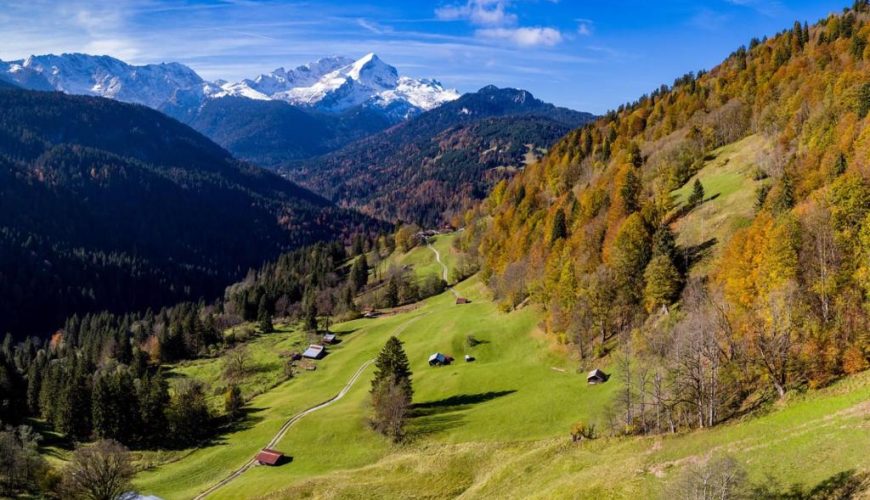
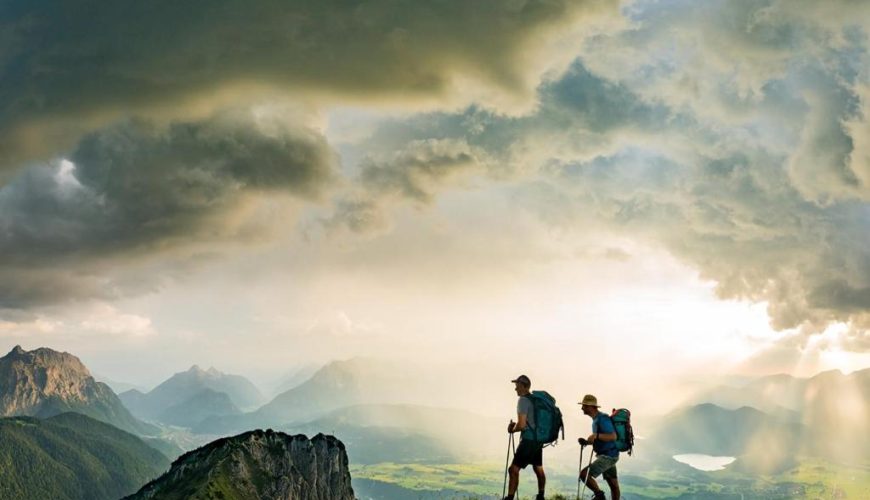
The Fuessen region sits at the gateway to the Alps and offers hiking trails across a remarkable range of difficulty levels, from flat lakeside walks suitable for families with pushchairs to serious mountain routes requiring alpine experience.
Tegelberg: the Royal Walk
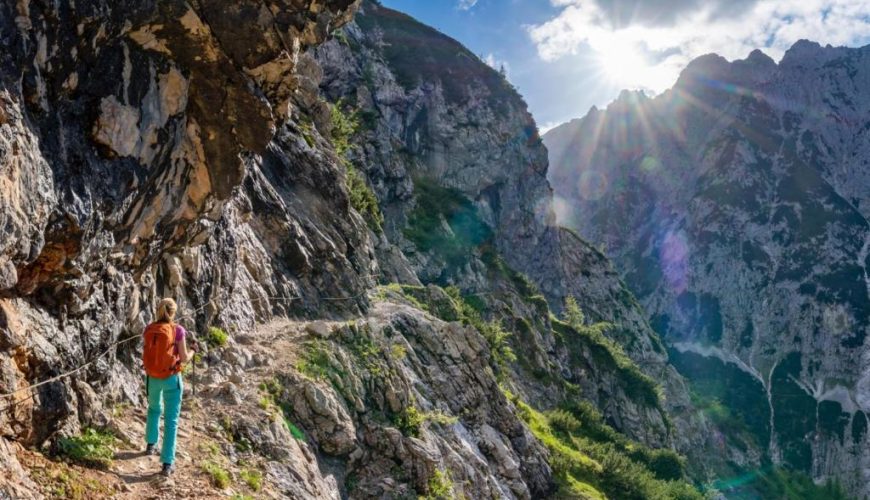
The Tegelberg mountain (1,730 m) directly behind Neuschwanstein Castle is one of the region’s most popular hiking destinations. A cable car runs from the valley station near Schwangau to the summit, from where marked trails lead across the high plateau. The ‘Koenigsschlösser Panorama Trail’ — the Royal Castles Panorama Walk — follows a roughly circular route that takes in both castles from elevated vantage points, passes through mountain pastures and offers consistently spectacular views. Several sections of the route also pass through the Pöllat Gorge, one of the most dramatic natural features in the immediate castle vicinity.
Saeuling (2,047 m)
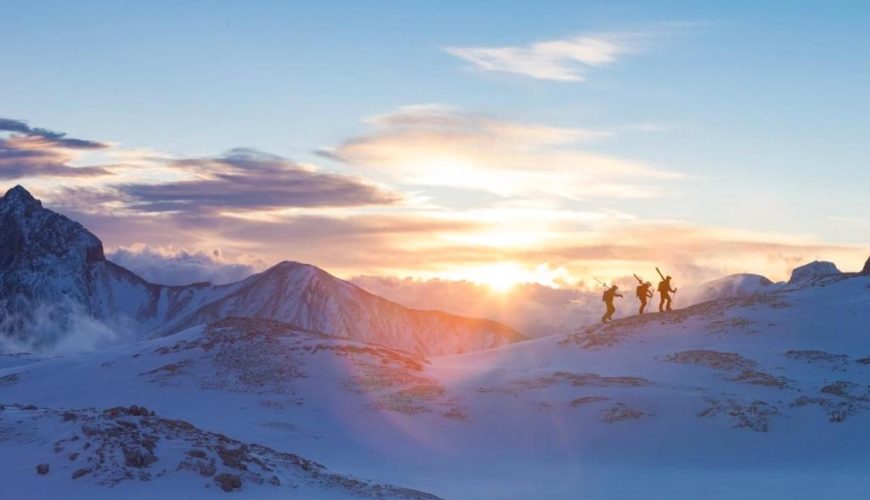
The Saeuling, visible from the castles, offers a rewarding full-day hike to above 2,000 metres for more experienced walkers. The route ascends through forest before breaking out into open Alpine terrain below the summit. On clear days the views extend across the Zugspitze massif and deep into the Austrian Tyrol.
Valley and lakeside walks
For those preferring level ground, the cycle and walking path from Fuessen to Hohenschwangau runs 3.8 kilometres along a paved track parallel to the road — suitable for buggies and wheelchairs. Longer valley routes through the Faulenbach valley and around Hopfensee provide several hours of low-altitude walking through quintessential Bavarian scenery.
| Hiking maps and routes
The Fuessen Tourist Office provides free hiking maps in multiple languages. The AllgaeuHIT hiking pass covers cable car rides and public transport across the region. Waymarking is excellent throughout — all trails are clearly signposted in German with approximate walking times. |
7. Cycling, water sports and active holidays
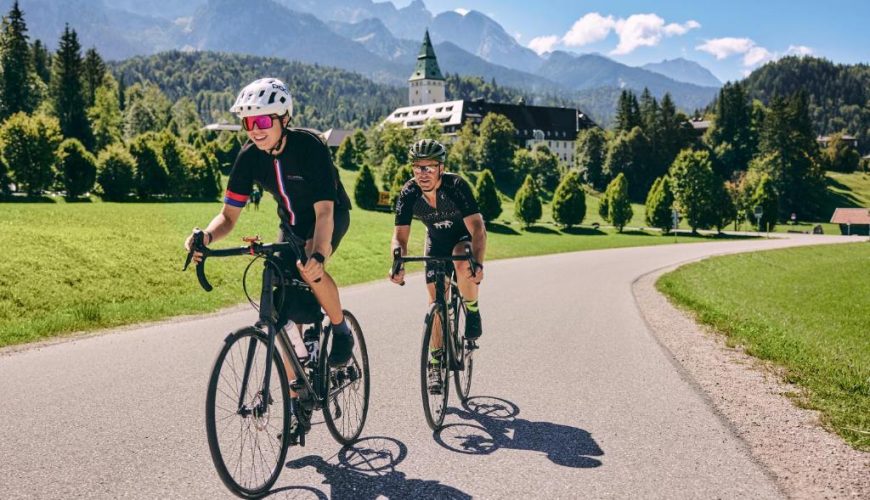
The Fuessen region is fully equipped for active holidays beyond hiking. A network of over 350 kilometres of marked cycling routes connects the lakes, villages, castles and Alpine foothills, ranging from easy lake-circuit routes to demanding mountain bike trails on the Tegelberg and surrounding peaks. E-bike rental is available throughout the region, making the longer valley routes accessible to a wider range of cyclists.
On the lakes, watersports infrastructure is well developed: windsurfing and kitesurfing on Forggensee, sailing schools on Hopfensee, kayak and stand-up paddleboard rental on multiple lakes, and swimming areas with lifeguards in summer at Hopfensee, Weissensee and Forggensee. The Lech river offers guided white-water experiences for those seeking something more adventurous. Paragliding from the Tegelberg is a regional tradition, with regular tandem flights available for non-pilots wanting to experience the castle region from the air.
8. Winter in the Koenigswinkel: skiing, cross-country and more
The region around Fuessen transforms remarkably in winter. Neuschwanstein Castle under snow is one of the most dramatic castle images in Europe — and the relative calm of the winter months makes it a genuinely different experience from the summer peak, with smaller groups and a more contemplative atmosphere inside the castle.
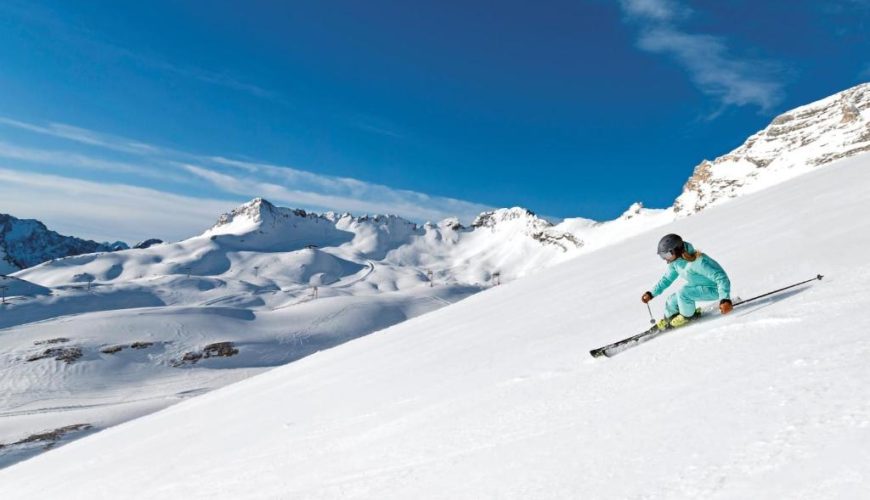
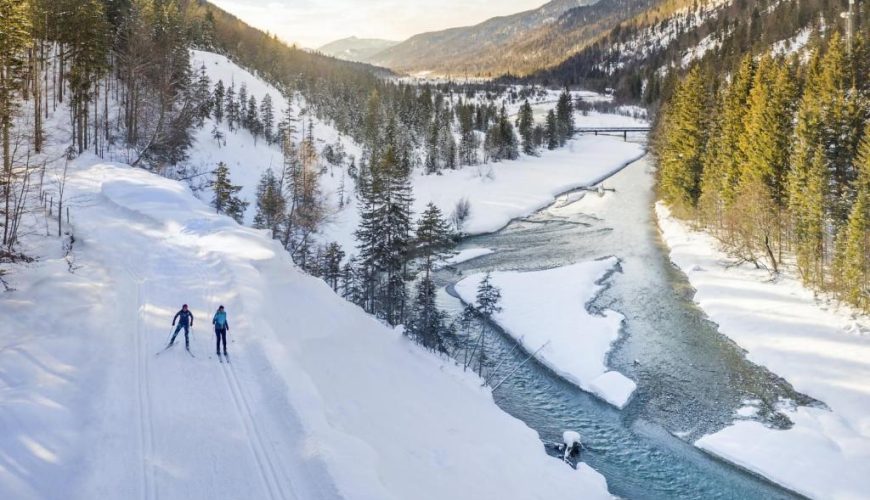
For winter sports, the Tegelberg offers a ski area with slopes suitable for beginners and intermediate skiers, directly accessible by cable car. Larger ski areas — Oberstdorf-Kleinwalsertal, Zugspitze and the Austrian Arlberg — are within 60 to 90 minutes’ drive. An extensive cross-country skiing network runs through the valleys and around the lakes when snow conditions permit, with the Faulenbach valley particularly popular for its sheltered terrain. Ice skating is available on Hopfensee when winter temperatures are cold enough to freeze the lake, and tobogganing runs are set up in the area seasonally.
9. Where to stay: hotels for every style and budget
The Fuessen and Hohenschwangau area has a wide and well-developed hotel offering, from historic four-star properties in the old town to boutique mountain hotels with direct castle views and modern wellness resorts on the lakeside.
Hotel Schlosskrone, Fuessen old town (4 stars)
Centrally located in Fuessen’s old town, 328 feet from the train and bus station, the Schlosskrone is consistently rated among the best hotels in the region. The hotel’s spa and wellness area, comfortable rooms and excellent breakfast are frequently highlighted by guests. Its location makes it the best base for visitors arriving by train and wanting to explore the region without a car.
Hotel Das Ruebezahl, Schwangau (4 stars, boutique)
For visitors wanting the closest possible base to the castle with a genuinely special atmosphere, Das Ruebezahl in Schwangau offers themed rooms and designer suites — including Junior Suites with panoramic windows overlooking Neuschwanstein, private whirlpool suites and a Rose Kingdom suite with a round XXL bed. The Alpine boutique spa with panorama sauna and whirlpool under the stars is a highlight. Three on-site restaurants — a gourmet room, a rustic Alpine option and an a-la-carte restaurant — cover every dining mood.
Hotel Muelle / Hotel Hirsch, Hohenschwangau
Hotel Muelle is positioned in Hohenschwangau village itself, within walking distance of the castle ticket centre and the Alpsee. Hotel Hirsch in Fuessen is a family-run four-star property with individually decorated rooms featuring Bavarian antiques, a restaurant with both traditional and modern Bavarian cuisine, and a popular beer garden.
Villa Ludwig Suite Hotel, Hohenschwangau
A highly rated boutique option near the castle, consistently praised for its value, location and friendly service — a favourite with first-time international visitors wanting to be as close to Neuschwanstein as possible without paying premium luxury prices.
10. Camping and motorhome travel in the Allgaeu
The Fuessen region is well served for campers and motorhome travellers, with several campgrounds that combine excellent location with modern facilities — and in at least one case, a direct view of Neuschwanstein Castle from the pitch.
Camping Hopfensee (5-star, Leading Campings of the World)
The flagship campsite of the region, Camping Hopfensee is awarded five stars and included in the prestigious Leading Campings of the World selection — a quality standard that reflects its exceptional facilities. The site is idyllically situated on Hopfensee lake with views of Neuschwanstein Castle and offers a compelling combination of sport, leisure and wellness: swimming in one of the warmest Alpine foothills lakes in summer, ice skating and cross-country skiing in winter, a physical therapy practice offering outpatient spa treatments including those available on prescription, and activities for all age groups throughout the year. For motorhome visitors, the site offers dedicated hardstanding pitches with full service connections.
Further campsites in the region
Additional campgrounds around Fuessen, Schwangau and the surrounding villages offer a range of options from large, full-facility sites to smaller, more intimate family-run grounds. Many sites accept motorhomes and offer electrical hookups, fresh water connections and grey water disposal. Motorhome stellplaetze (dedicated motorhome parking areas without full camping facilities) are available in Fuessen town itself and in several surrounding villages for overnight stops without advance booking.
| Camping in peak season
The Fuessen region is extremely popular in July and August, and the best campsites book out weeks in advance. Camping Hopfensee in particular should be booked as early as possible for summer stays. Spring (May to June) and early autumn (September) offer the best combination of good weather, open facilities and available pitches. |
11. Holiday apartments and self-catering in the region
Self-catering holiday apartments are a popular and often excellent-value accommodation option in the Fuessen region, particularly for families, groups of friends or visitors planning stays of a week or more. The stock of rental apartments is extensive, ranging from simple studios in Fuessen’s old town to larger farmhouse apartments in the surrounding villages of Schwangau, Rieden and Halblech with mountain views and private gardens.
Many apartments are offered directly by private owners rather than through large agencies, which often results in a more personal experience and competitive pricing compared to equivalent hotel stays. For visitors with a rental car, apartments in the quieter surrounding villages offer a genuinely local experience of the Allgaeu away from the castle crowds, while still being within a short drive of all the major attractions. Booking platforms such as Fewo-direkt (FeWo-direkt.de), Airbnb and regional tourism platforms carry the widest selection for the area.
12. Getting to Neuschwanstein: by train, car and plane
By train — the most convenient option
The easiest and most stress-free way to reach Fuessen from Munich is by train. The Fugger Express runs direct services from Munich Hauptbahnhof to Fuessen station approximately every hour, with a journey time of around two hours. Fuessen station is just a few minutes’ walk from the old town and has direct bus connections to the castle ticket centre in Hohenschwangau (Bus 73 or 78, journey approximately 10 minutes). Arriving by train eliminates all parking concerns and leaves the full day free for exploring without worrying about a car.
By car
By car from Munich, the route runs via the A95 motorway to Garmisch-Partenkirchen and then on the B17 ‘Romantische Strasse’ (Romantic Road) to Fuessen — a scenic drive of approximately 120 kilometres taking 1.5 to 2 hours depending on traffic. Important: there is no free parking near the castle. Official car parks in Hohenschwangau cost EUR 12–16 per day; parking on the road approaches to the castle is strictly prohibited and actively enforced. Allow at least 1.5 hours from the ticket centre to reach the castle entrance.
By plane
The nearest international airport is Munich Airport (IATA: MUC), served by all major European carriers and connected to Munich city centre by the S-Bahn in under 40 minutes. From Munich Airport, Fuessen is approximately 1.5 to 2 hours by car or a combination of S-Bahn to Munich Hauptbahnhof and direct train to Fuessen. For visitors flying into Innsbruck (INN) in Austria, the distance to Fuessen is just 60 kilometres — approximately 45 minutes by car — making the Austrian airport a viable alternative for those coming from certain routes.
| Mode of transport | Journey time / detail |
| Train from Munich Hbf | Approx. 2 hours direct, frequent departures, best option without a car |
| Car from Munich | Approx. 1.5–2 hours via A95 and B17 Romantic Road, scenic route |
| Car from Innsbruck (Austria) | Approx. 45 min, 60 km, good option for Austrian or transit arrivals |
| Munich Airport (MUC) to Fuessen | Approx. 1.5–2 hours by car or S-Bahn + train combination |
| Innsbruck Airport (INN) to Fuessen | Approx. 50–60 min by car |
13. Tourist information and practical tips
| Topic | Information |
| Tourist Office Fuessen | Kaiser-Maximilian-Platz 1, 87629 Fuessen; fuessen.de; multilingual staff |
| Castle tickets | Official tickets: schloesser.bayern.de — always book in advance |
| AllgaeuHIT guest card | Included with most overnight stays; free or reduced entry to many attractions, free regional buses |
| Best time to visit | May-June and September-October: good weather, fewer crowds; December-February: snow views, very quiet |
| Peak crowds | July and August weekends: extremely busy; arrive at opening time or visit late afternoon |
| Currency | Euro (EUR); cards widely accepted, cash useful for smaller purchases |
| Language | German; English widely spoken in hotels, restaurants and tourist facilities |
| Mobility | Neuschwanstein accessible with elevator on request for reduced mobility visitors |
- Book castle tickets as early as possible — weeks or months ahead for summer peak dates.
- Arrive at the ticket centre at least 1.5 hours before your tour time to allow for the transfer to the castle.
- The Marienbruecke viewpoint is free and offers the best classic castle photograph — visit early morning or late afternoon.
- Pack layers: mountain weather changes quickly even in summer; a light rain jacket is always useful.
- The AllgaeuHIT guest card, included with most overnight stays, provides significant savings on cable cars, museums and public transport.
- Fuessen’s old town and the Hohe Schloss are worth at least a half-day independently of the royal castles.
- Driving tip: follow signs for ‘Koenigschloesser’ — not ‘Neuschwanstein’ — as these are the official road signs for the castle car parks.
Neuschwanstein Castle is rightly one of the great sights of Europe — but it is the context around it that makes a stay in the Fuessen and Koenigswinkel region genuinely memorable. The Alpine lakes, mountain trails, Bavarian villages and extraordinary landscape that surround the castle turn a single day’s highlight into a multi-day experience that rewards every type of visitor, from first-time tourists to experienced Alpine travellers who know exactly where to find a quieter trail or a more personal lakeside restaurant. The Royal Corner of Bavaria lives up to its name in every season.
Comment (0)